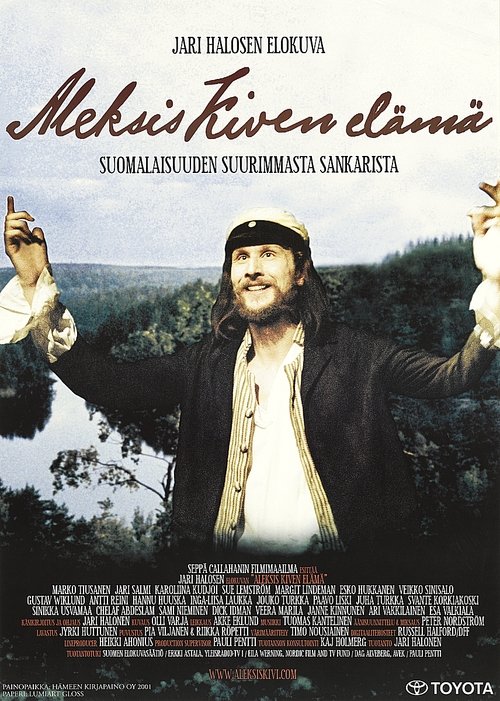
The Life of Aleksis Kivi
2002
No user ratings available yet
Representation score: 5.6 out of 10

Representation Score
Limited
1946
SDirector
Ilmari Unho
Runtime
115 minutes
Average Rating
No ratings yetNew Showbiz Analysis
Minä elän is a traditional historical biography designed to honor a national literary icon. The film prioritizes the preservation of Finnish literary history and the development of national identity over exploring diverse social hierarchies. Because the story is set in the 19th century, the representation is constrained by both the historical setting and the cinematic conventions of 1946. The narrative follows established biographical structures rather than modern inclusive frameworks. Ultimately, the film functions as a celebration of a cultural cornerstone, adhering to the formalist and nationalist storytelling traditions of mid-20th-century Finnish cinema.
Category Breakdown
The film focuses on the biographical struggles of Aleksis Kivi. There are no queer narratives or representations of non-traditional gender identities.
The narrative centers on a male intellectual figure. Women appear in domestic or supportive roles typical of mid-century biographical dramas, reinforcing traditional gender hierarchies.
The cast and setting are ethnically homogeneous, reflecting the specific cultural context of 19th-century Finland and the film's focus on national identity.
The film emphasizes national cultural heritage and the importance of the Finnish language. It focuses on establishing a cultural cornerstone rather than critiquing institutions.
While Kivi's personal hardships may be depicted, there is no evidence of neurodivergent empowerment. Such elements likely follow the dramatic clichés of the 1940s.
Present on Screen
Limited or Absent
Official Synopsis
The life story of Aleksis Kivi, author of the first Finnish novel in Finnish language and (posthumously) its most successful writer.
2002

2014

1973
1975

2009

2010

1943

1959
No reviews yet. Be the first to share your thoughts on this movie!
Use the rating form above to leave a star rating and optional review.