The Westward Trail
1948
No user ratings available yet
Representation score: 0.8 out of 10
Representation Score
Minimal
1940
ApprovedDirector
Ray Taylor
Runtime
57 minutes
Average Rating
No ratings yetNew Showbiz Analysis
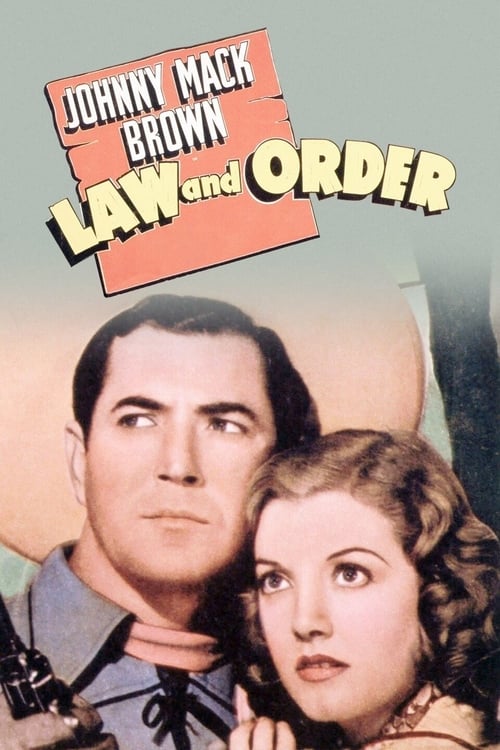
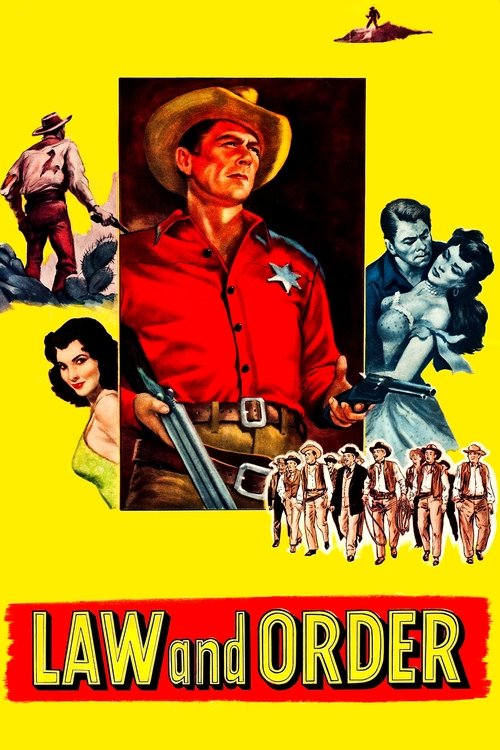
Law and Order (1940) is a conventional Western that reflects the norms of its time. The film relies on established genre formulas, focusing on the struggle for authority between a protagonist and a gang. Since the plot centers on masculine combat and the establishment of patriarchal order, it offers very little in the way of diverse representation. The narrative reinforces mid-century social hierarchies and standard frontier clichés rather than challenging them. Ultimately, the film serves as a foundational example of mainstream cinematic norms from the Golden Age, prioritizing efficient storytelling over social complexity.
Category Breakdown
The film does not include any LGBTQ+ characters or stories that go beyond the assumption that everyone is straight or cisgender. It follows traditional masculine roles typical of 1940s Westerns.
The story focuses entirely on male-driven conflict and physical strength. It emphasizes masculine leadership and combat without showing women taking significant roles or challenging gender hierarchies.
The film reflects the casting norms of its time, which were predominantly white. The conflicts in the story follow standard Anglo-Saxon frontier clichés without including diverse casting or non-white characters.
The story prioritizes traditional Western values and the restoration of order through individualistic violence. It reinforces a clear moral binary rather than exploring complex cultural perspectives.
There is no information available regarding the depiction of physical or neurodivergent disabilities in this production.
Present on Screen
Limited or Absent
Official Synopsis
Bill Ralston arrives in town planning to settle down but quickly gets caught up in the fight between the townspeople and Poe Daggett and his gang. He takes the job of town Marshal and soon brings law and order. When Daggetts men ambush him he kills Poe's brother. Poe then kills Bill's friend Brant and this leads to the showdown.
1948
1958
1937
1967
1953
1946
1939
1940
No reviews yet. Be the first to share your thoughts on this movie!
Use the rating form above to leave a star rating and optional review.