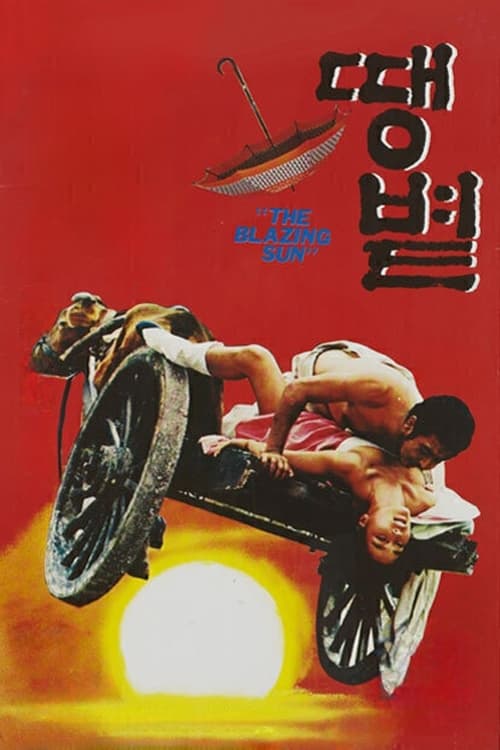
The Blazing Sun
1985
No user ratings available yet
Representation score: 4.5 out of 10
Representation Score
Good
2015
Director
Lee Na-jeong
Runtime
121 minutes
Average Rating
No ratings yetNew Showbiz Analysis
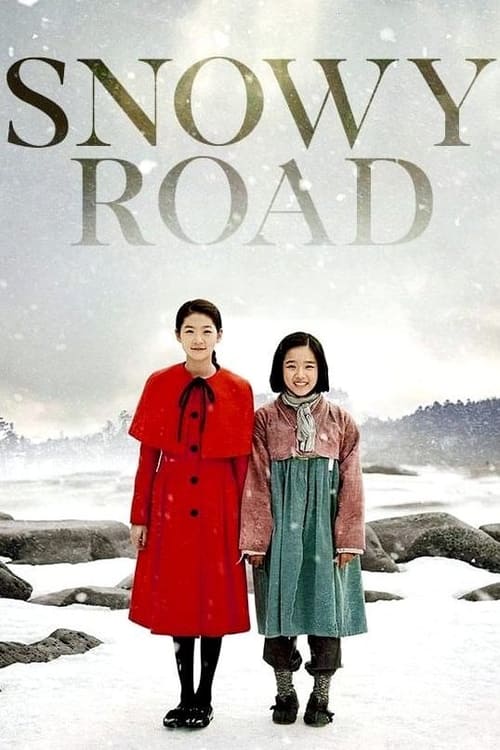
Snowy Road is a powerful film that centers the voices of Korean women during the Japanese occupation. It deconstructs colonial hierarchies and focuses on the lived experiences of those surviving systemic oppression. The film's strength lies in its unflinching portrayal of the 'Comfort Women' system, prioritizing the emotional and intellectual labor of its female protagonists. However, it remains tied to its historical context and does not address contemporary identity politics or diverse representations of disability and LGBTQ+ identities.
Category Breakdown
The film does not include any LGBTQ+ characters or explore non-straight identities. The story focuses solely on the survival of female protagonists in a 1940s historical setting.
The narrative centers on the resilience and ability to act of women, showing their strength and independence from male leadership. The relationship between Jong-bun and Young-ae drives the plot.
The film offers a deep exploration of Korean identity during Japanese occupation. It challenges Eurocentric views by highlighting the systemic harm experienced by colonized people.
The story provides a serious look at the intersection of militarism and patriarchy. It avoids sanitized history, focusing on the realities of imperialist power and cruelty.
While not focusing on recognized disabilities, the film highlights the severe psychological trauma resulting from sexual slavery. These mental health issues are shown as consequences of systemic violence.
Present on Screen
Limited or Absent
Official Synopsis
Jong-bun, in her eighties, is one of the last surviving 'Comfort Women' victims forced into sexual slavery by the Japanese Army during World War II. Back in 1944, at the end of the Japanese occupation in Korea, Jong-bun was a poor but energetic girl while Young-ae was the smart rich clerk's daughter. One day, Jong-bun gets abducted and finds herself on a train for Manchuria. To her surprise, she also finds Young-ae on the train facing the same fate to become a comfort woman. Jong-bun and Young-ae help each other go through the living hell and as the war comes to an end, they finally escape from the comfort women camp, only to face two different paths of life. Decades later, Jong-bun helps out a teenaged girl who is disoriented in life, reminded of her own painful past.
1985

2019
1972
2001

2017

2021

2020

1939
No reviews yet. Be the first to share your thoughts on this movie!
Use the rating form above to leave a star rating and optional review.