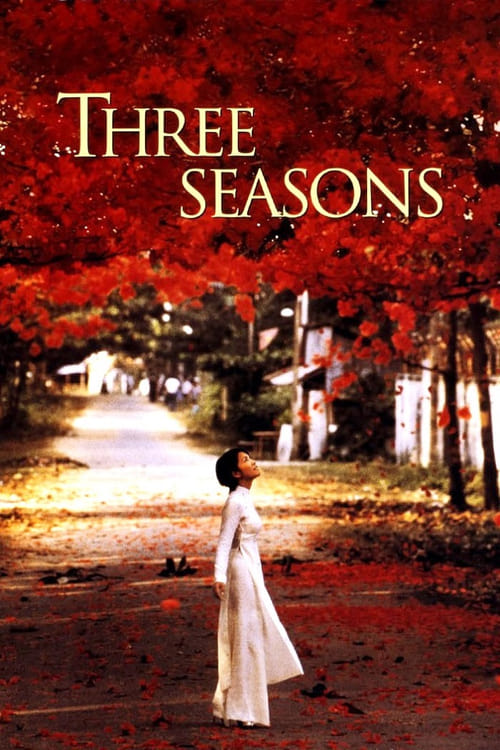
Three Seasons
1999
No user ratings available yet
Representation score: 8.3 out of 10

Representation Score
Good
1982
RDirector
Ann Hui
Runtime
109 minutes
Average Rating
No ratings yetNew Showbiz Analysis
Ann Hui’s film is a powerful, realist study of the post-Vietnam War era. It shifts the focus from grand political narratives to the visceral, lived experiences of displaced individuals. By centering the refugee experience, the film provides a deep, empathetic look at ethnic displacement and the interactions between different Asian populations. The work excels in its refusal to offer a comfortable, moralistic resolution. Instead, it presents a complex look at how statelessness and systemic indifference intersect. This approach disrupts the typical hero-driven drama, replacing it with a systemic study of human suffering. While the film lacks LGBTQ+ representation and focuses on traditional social structures, its strength lies in its post-colonial lens. It effectively critiques the failure of international borders and political structures to protect the most vulnerable.
Category Breakdown
The film does not include any LGBTQ+ characters or explore non-straight relationships. The narrative focuses solely on the survival aspects of the refugee crisis.
Women play a significant role in the film, showcasing their resilience and ability to act in the face of hardship and psychological trauma. The film highlights their strength within a collapsing social structure rather than portraying them as passive victims.
The film centers on East Asian identities, particularly the Vietnamese refugee experience. It avoids a Western-centric perspective by emphasizing the viewpoints of those affected by regional conflicts.
The narrative offers a sophisticated critique of institutional failures and global power dynamics. It portrays a world where traditional ethics are stripped away by the necessity of survival.
Physical and psychological scars resulting from poverty and trauma are shown as consequences of systemic violence. The film avoids clichés, focusing instead on how exhaustion impacts human ability to act.
Present on Screen
Limited or Absent
Official Synopsis
A Japanese photojournalist revisits Vietnam after the liberation to document the nation, and begins following and documenting the young children from a poor Vietnamese family.
1999
1985
1981

1995

2001
1994
2006
2004
No reviews yet. Be the first to share your thoughts on this movie!
Use the rating form above to leave a star rating and optional review.