Sold
2016
No user ratings available yet
Representation score: 8.2 out of 10
Representation Score
Good
2010
Director
Woo Ming Jin
Runtime
84 minutes
Average Rating
No ratings yetNew Showbiz Analysis
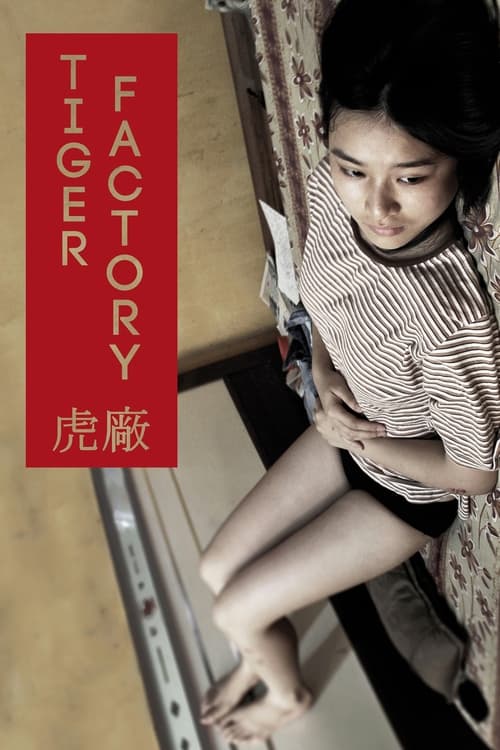
The Tiger Factory is a meditative work that prioritizes the lived experiences of the underrepresented working class over explicit identity politics. Its primary strength lies in its authentic, non-Western centering of ability to act and its refusal to follow polished, mainstream storytelling structures. By focusing on the intersection of labor and ecology, the film provides a powerful critique of capitalist exploitation. It moves away from traditional gendered clichés, offering a complex look at women navigating high-stakes, industrial environments. While the film lacks specific representation for LGBTQ+ and disabled characters, it succeeds in providing a deeply regional and culturally authentic perspective on Southeast Asian life.
Category Breakdown
The film focuses on socioeconomic struggles and industrial labor rather than LGBTQ+ identities. While it avoids traditional romantic clichés, there is no explicit representation of LGBTQ+ characters.
The narrative centers on the grueling physical labor of women like Ping Ping and Madame Tien. It avoids domestic clichés, instead portraying women's ability to drive the story through survival in exploitative environments.
The film provides an authentic depiction of a Southeast Asian landscape and working-class demographic. It successfully de-centers the Western gaze by focusing on local migrant labor and socioeconomic structures.
The story critiques industrialization and the commodification of life through its depiction of a 'baby factory.' It explores a subjective morality where survival necessitates challenging conventional ethical standards.
There is no explicit focus on neurodivergence or visible disabilities. However, the film uses the physical toll of manual labor to explore themes of bodily vulnerability and wear.
Present on Screen
Limited or Absent
Official Synopsis
Ping Ping is 19 and wants to go to Japan to work in a car parts company. She's under the guardianship of her aunt, Madame Tien, who shuffles her between two jobs - working in a pig farm, and cleaning dishes in a rundown restaurant. Tien is also involved in a 'baby factory' scheme, pairing young women with migrant workers and then selling the babies for money. Both survive with each other in a love-hate symbiotic manner, until a truth about her aunt is revealed to Ping Ping.
2016
1994
2006

1998
2005
2013
2007

2007
No reviews yet. Be the first to share your thoughts on this movie!
Use the rating form above to leave a star rating and optional review.