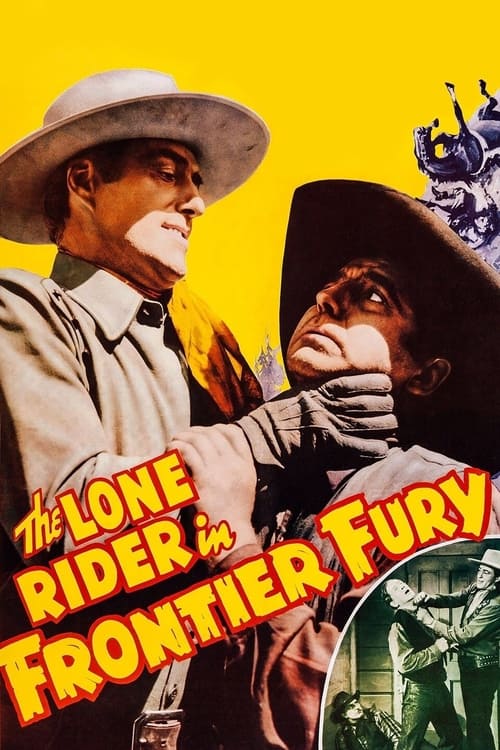
The Lone Rider in Frontier Fury
1941
No user ratings available yet
Representation score: 0.5 out of 10
Representation Score
Minimal
1950
PassedDirector
Richard L. Bare
Runtime
74 minutes
Average Rating
No ratings yetNew Showbiz Analysis
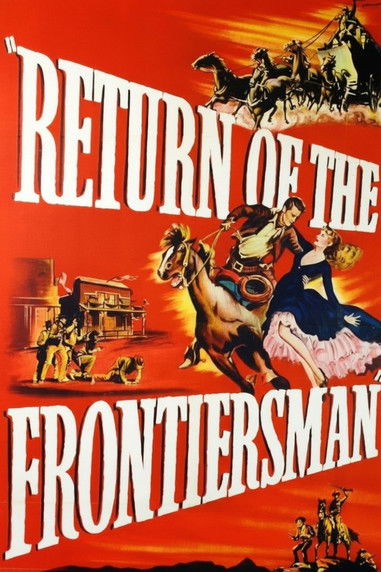
Return of the Frontiersman is a traditional mid-century Western that emphasizes restoring law and order. The story focuses on a sheriff's son battling false accusations, a common cliché that reinforces traditional authority and masculine justice. The film operates within a standard genre framework that upholds the social norms of the 1950s. It lacks diverse representation and instead supports the stability of existing social hierarchies. Overall, the film embodies the storytelling style of the studio era, highlighting individual responsibility and institutional integrity while reinforcing traditional roles.
Category Breakdown
The film follows the typical heterosexual norms of 1950s cinema. It does not include any representation of LGBTQ+ identities or challenge traditional gender roles.
The story revolves around a male-dominated conflict between a sheriff and his son. Female characters seem to play secondary or domestic roles that trigger male action.
The film likely reflects the predominantly white perspectives of the time. It centers on Anglo-Saxon protagonists without showing diverse cast members.
The plot upholds traditional Western values such as patriotism and trust in institutions. It supports the status quo without offering any critique.
There is no indication of characters with physical or cognitive disabilities in the film.
Present on Screen
Limited or Absent
Official Synopsis
A sheriff's son is falsely accused of murder, and a friend determines to clear his name and find the real killer.
1941
1934
1945
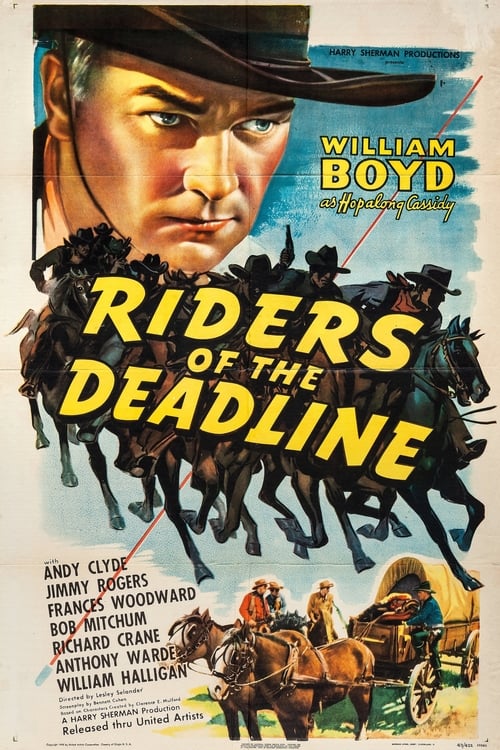
1943
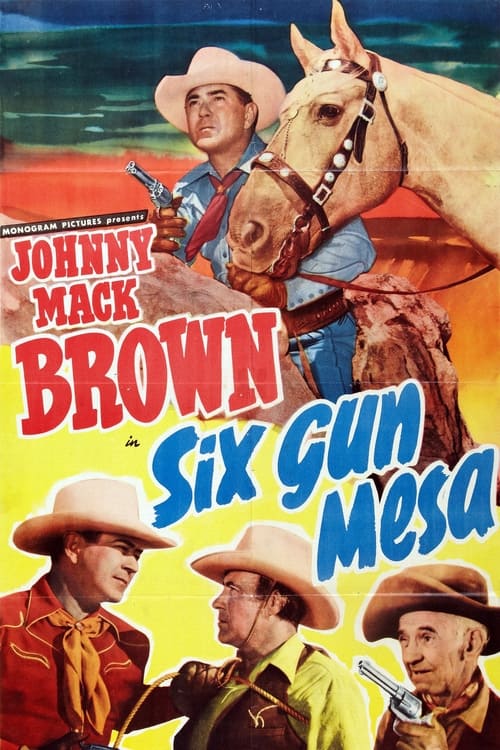
1950
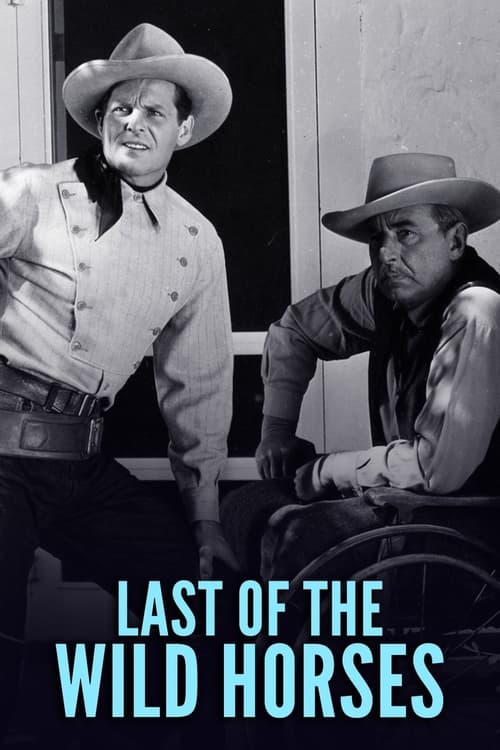
1948
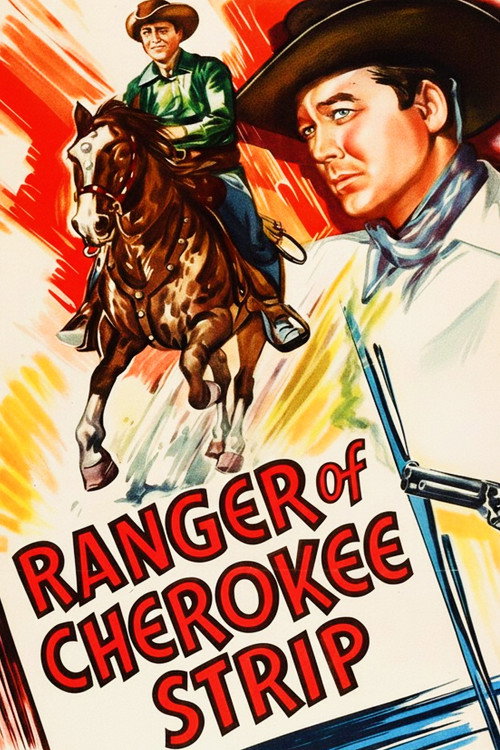
1949
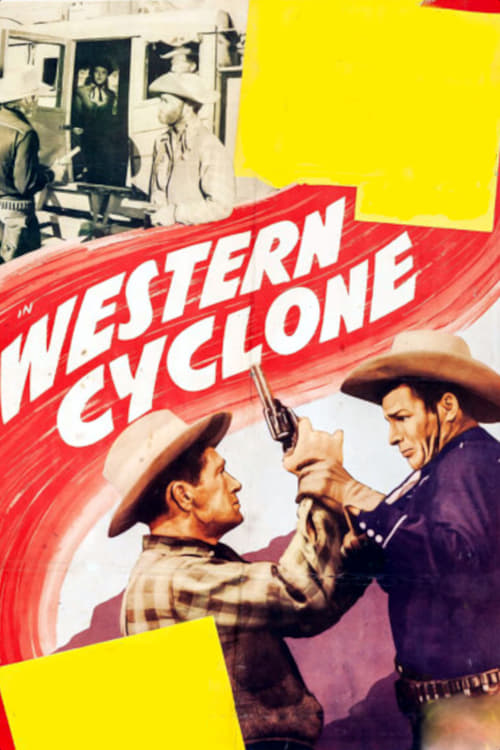
1943
No reviews yet. Be the first to share your thoughts on this movie!
Use the rating form above to leave a star rating and optional review.