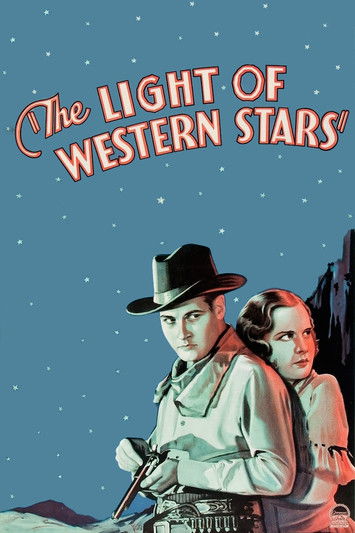
The Light of Western Stars
1930
No user ratings available yet
Representation score: 0.4 out of 10
Representation Score
Minimal
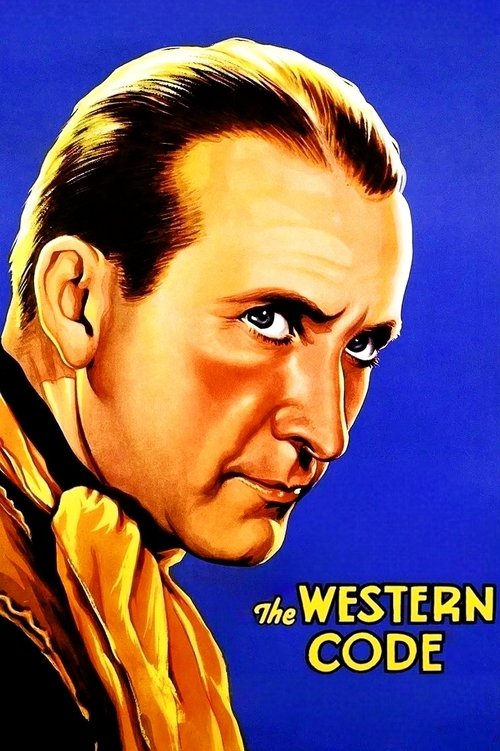
1932
PassedDirector
John P. McCarthy
Runtime
57 minutes
Average Rating
No ratings yetNew Showbiz Analysis
The Western Code is a quintessential product of its era, leaning heavily into the established clichés of the early sound-era Western. The narrative structure prioritizes masculine heroism and traditional social hierarchies, offering very little deviation from the period's standard genre conventions. Character roles are largely centered around male figures, such as the lawman Tim Barrett and the volatile Dick Loomis. Women are primarily defined by their relationships to male characters or their status as subjects needing protection. Ultimately, the film functions as a reinforcement of the status quo. It utilizes a homogeneous social framework that lacks significant racial, cultural, or identity-based diversity, focusing instead on the stabilization of traditional Western social orders.
Category Breakdown
The film focuses on heterosexual relationships and traditional family structures. There is no depiction of LGBTQ+ identities or same-sex relationships.
The story centers on a male protagonist who acts as the primary agent of justice. Female characters like Polly Loomis serve as plot catalysts defined by their need for protection.
The narrative suggests a focus on Anglo-Saxon archetypes within a homogeneous social structure. There is no mention of diverse ethnic casting or non-white characters in positions of power.
The film adheres to traditional Western moralities and reinforces established social institutions. It emphasizes the lawman's role and the importance of property rights and inheritance.
There is no information available regarding the portrayal of physical or neurodivergent disabilities in this production.
Present on Screen
Limited or Absent
Official Synopsis
When Tim Barrett rides into Carabinas, his reputation as a lawman precedes him. Rescuing Polly Loomis from the unwanted attentions of a saloon ruffian, he learns her mother married ranch foreman Nick Grindel shortly before her death, and left everything to him in her will. Nick has proposed marriage to his stepdaughter, and she fears violence if her hot-blooded brother Dick finds out. When a body is found at the Bow Knot, Tim barely rescues Dick from a necktie party and is deputized to investigate when Dick confesses to a crime he didn't commit.
1930
1940
1932
1927
1931
1935
1933
1934
No reviews yet. Be the first to share your thoughts on this movie!
Use the rating form above to leave a star rating and optional review.