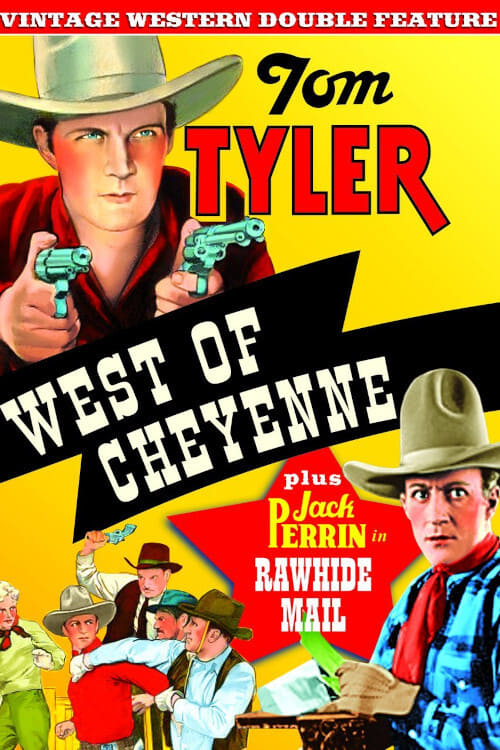
West of Cheyenne
1931
No user ratings available yet
Representation score: 1.1 out of 10
Representation Score
Minimal
1934
ApprovedDirector
Harry S. Webb
Runtime
58 minutes
Average Rating
No ratings yetNew Showbiz Analysis
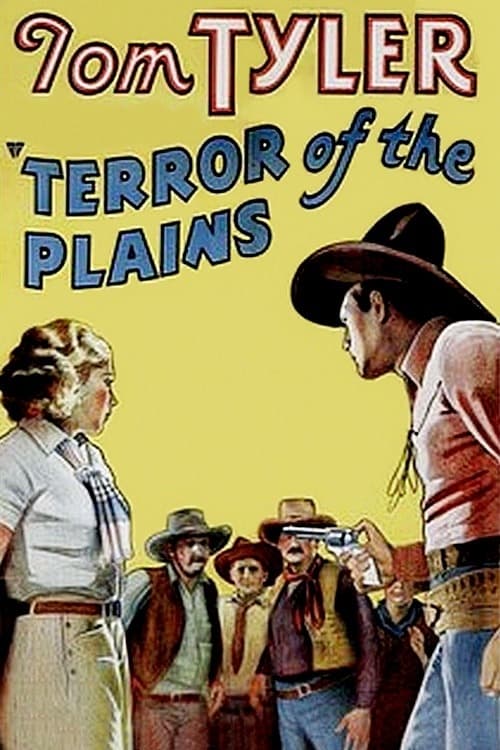
Terror of the Plains is a quintessential B-movie Western that prioritizes genre conventions over social complexity. The plot follows a restorative justice arc where the protagonist, Tom Lansing, seeks to vindicate his father through traditional masculine action. The film relies heavily on established archetypes, specifically the competent cowboy hero and the damsel in distress. These roles reinforce a rigid social hierarchy where women's ability to drive the story is secondary to male intervention. Ultimately, the production serves as a foundational example of the era's frontier mythology. It maintains a homogeneous social structure that lacks the diversity or subversion found in more modern interpretations of the genre.
Category Breakdown
The film adheres to the standards of 1930s Western cinema, which assumes everyone is straight or cisgender. Non-assuming gender matches what was assigned at birth identities are not represented.
The narrative reinforces traditional hierarchies. Bess is framed through vulnerability and dependency, serving as a catalyst for the hero rather than an independent agent.
The film utilizes a homogeneous casting approach typical of early Westerns. There is no indication of racial blending or subversion of Anglo-centric casting.
The story promotes traditional Western values like family lineage and the sanctity of the law. It reinforces frontier mythology.
There is no evidence of characters with visible or invisible disabilities within the narrative.
Present on Screen
Limited or Absent
Official Synopsis
A ranch hand sets out to prove his father is innocent of murder in this B-movie Western starring cowboy hero Tom Tyler. Disguised as an outlaw, Tom Lansing (Tyler) takes up with a motley crew hiding out in a ghost town to catch the true killer. This 1934 classic co-stars Frank Rice as Lansing's sidekick, Banty, and Roberta Gale as Bess, a beautiful young captive of the outlaw gang who is in desperate need of a hero.
1931
1932
1934

1939
1943
1930
1932
1935
No reviews yet. Be the first to share your thoughts on this movie!
Use the rating form above to leave a star rating and optional review.