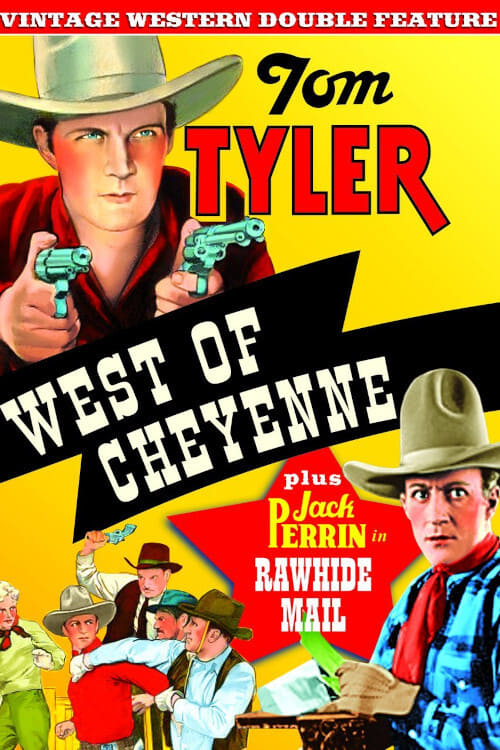
West of Cheyenne
1931
No user ratings available yet
Representation score: 1.1 out of 10
Representation Score
Minimal
1934
PassedDirector
Bennett Cohen
Runtime
31 minutes
Average Rating
No ratings yetNew Showbiz Analysis
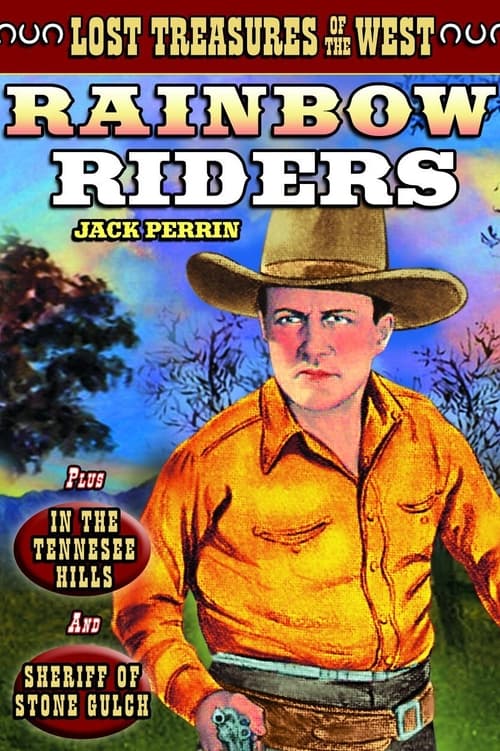
Rainbow Riders is a conventional 1930s Western that adheres strictly to the genre's era-specific norms. The narrative focuses on masculine archetypes, ranch ownership, outlawry, and male camaraderie. Because the plot revolves around individual heroism and preserving established social and economic structures, it lacks the complexity needed to challenge existing hierarchies. The film functions primarily as a restorative tale rather than a subversive one. Ultimately, the production reflects the homogeneous and traditionalist standards of early sound-era Westerns, offering little in the way of diverse perspectives.
Category Breakdown
The film does not include any characters with LGBTQ+ identities. The story relies on traditional male friendships and follows familiar Western conventions that reinforce the idea that everyone is straight or cisgender.
The narrative focuses almost entirely on male characters, particularly the bond between Jerry Hixon and Bud. Female characters do not seem to have much influence or challenge traditional gender roles.
The story centers on a single ethnic perspective typical of 1930s Westerns. There are no non-white protagonists or diverse casting within the frontier setting.
The film operates within a traditional framework emphasizing moral binaries and ranching interests. It highlights the restoration of order rather than questioning Western institutions.
There is no information about the inclusion or portrayal of characters with physical or neurodivergent disabilities.
Present on Screen
Limited or Absent
Official Synopsis
Jerry Hixon's ranch is being besieged by raiders so Ben sends for his friend Bud. When Bud arrives and finds that the outlaw Texarkana Pete has been captured, he buys Pete's clothes and posing as Pete joins the outlaw gang. But he is quickly in trouble when his masquerade is exposed.
1931
1929
1930
1938
1935
1932
1941
1938
No reviews yet. Be the first to share your thoughts on this movie!
Use the rating form above to leave a star rating and optional review.