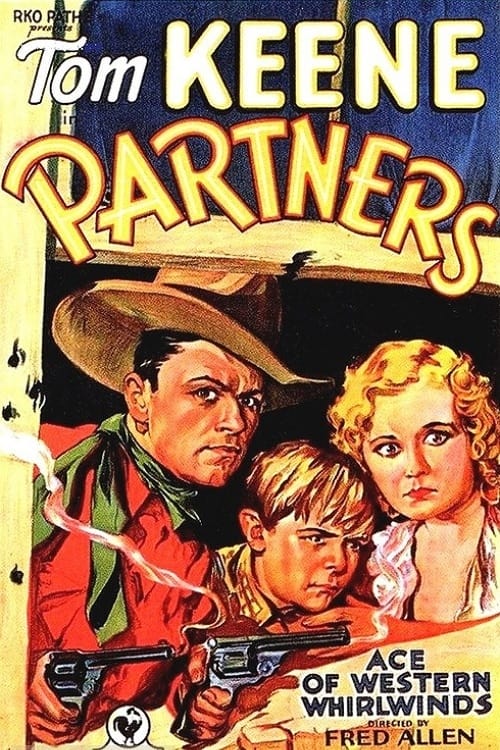
Partners
1932
No user ratings available yet
Representation score: 1.7 out of 10
Representation Score
Minimal
1934
PassedDirector
Alfred Raboch
Runtime
64 minutes
Average Rating
No ratings yetNew Showbiz Analysis
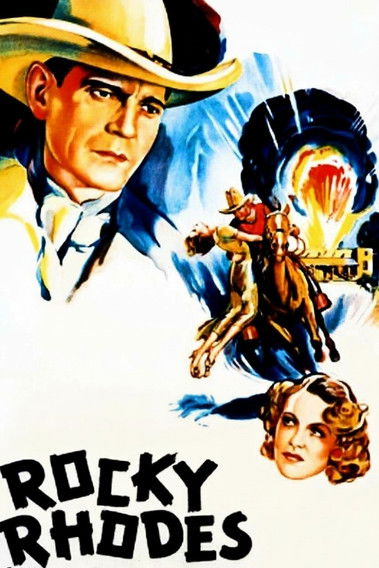
Rocky Rhodes is a conventional 1930s Western that upholds traditional social hierarchies. The narrative centers on a single male protagonist seeking justice and honor. The film lacks complexity, focusing instead on a standard 'wronged man' storyline. It emphasizes traditional masculine ability to act and avoids challenging the era's social norms. Overall, the film remains a straightforward genre piece with limited representation beyond its homogeneous cast and traditional values.
Category Breakdown
The film focuses on a traditional male revenge story without showing any LGBTQ+ relationships or identities.
The story revolves around male characters and their conflicts, reinforcing traditional patriarchal structures.
The film features a homogeneous cast with no significant roles for characters of diverse backgrounds.
The plot adheres to traditional Western values of law, personal honor, and individual justice.
The film does not depict or mention any characters with physical or cognitive differences.
Present on Screen
Limited or Absent
Official Synopsis
Rocky Rhodes returns to find his father dead and his best friend Joe accused of the murder. The culprit is Murtch who now lets Joe break jail and then has him shot escaping. When Rocky starts to interfere with Murtch's plans, he has Rocky framed for murder. Rocky now has to prove Murtch is guilty while escaping the law.
1932
1942
1936
1949
1945
1950
1931
1935
No reviews yet. Be the first to share your thoughts on this movie!
Use the rating form above to leave a star rating and optional review.