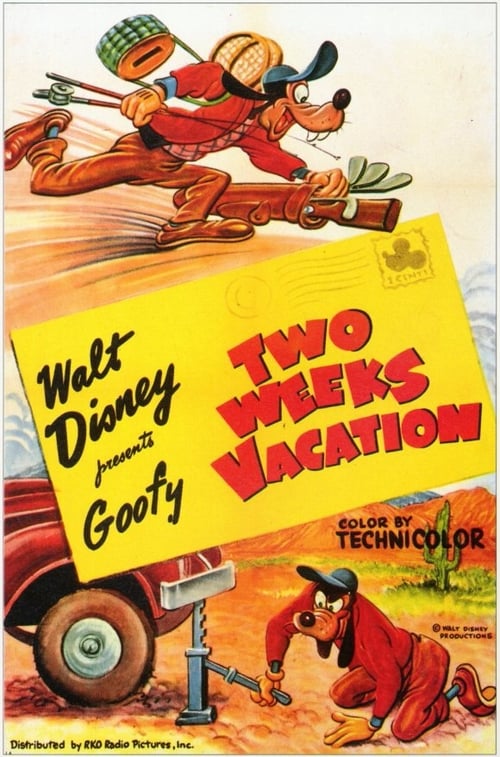
Two Weeks Vacation
1952
No user ratings available yet
Representation score: 0.3 out of 10
Representation Score
Minimal
1952
Director
Jack Kinney
Runtime
6 minutes
Average Rating
No ratings yetNew Showbiz Analysis
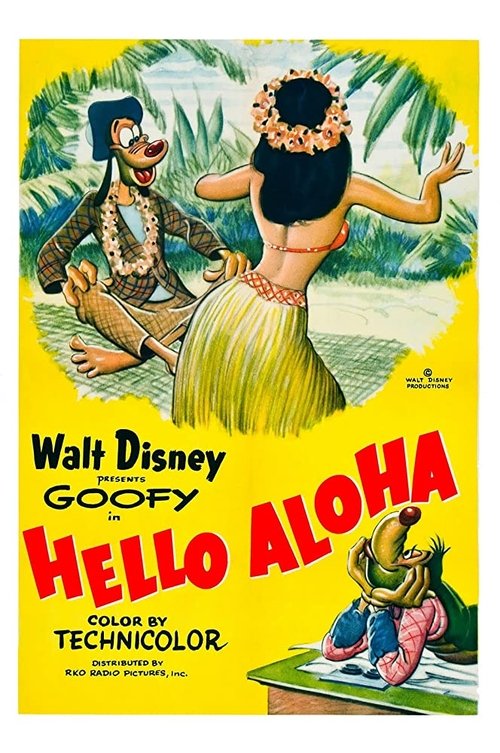
Hello Aloha is a product of its era, functioning within a traditionalist framework that lacks complexity in reflecting multiple aspects of identity. The story relies on established cultural clichés and maintains a narrow, Western-centric perspective. The primary issue lies in its use of reductive archetypes. By framing indigenous customs as a source of danger, the narrative reinforces colonialist perspectives common in mid-century Western media. Ultimately, the short offers minimal representation or challenges to existing social hierarchies, focusing instead on a singular protagonist's journey through an exoticized landscape.
Category Breakdown
The film follows a standard slapstick storyline focused on a single protagonist. It adheres to the assumption that everyone is straight or cisgender, with no depictions of same-sex relationships.
The narrative focuses almost exclusively on Goofy's individual experience. It lacks complex gender dynamics and female characters who play significant roles in driving the story.
Indigenous populations are depicted as a collective entity used for comedic conflict. This reductive cliché frames the 'other' as a source of danger rather than providing characters with individual depth.
The film reinforces a Western-centric worldview by contrasting the protagonist's peace with a 'primitive' culture. Local customs are portrayed as dangerous or irrational to validate the outsider status.
There are no discernible depictions of physical or neurodivergent disabilities within the film's narrative.
Present on Screen
Limited or Absent
Official Synopsis
In the city, Goofy finds his daily job much too stressful so he decides to leave this hustle and bustle for a more peaceful life in the tropics. He finds life there most enjoyable collecting shells from the beach, making a hut in which to live, getting back to nature, and even joining in the big luau feast (with meals such as shark fin soup). Yes, Goofy thinks nothing can go wrong in this paradise...until the natives need to sacrifice someone to their volcano.
1952
1953
1945
1950
1954
1961
1935
1954
No reviews yet. Be the first to share your thoughts on this movie!
Use the rating form above to leave a star rating and optional review.