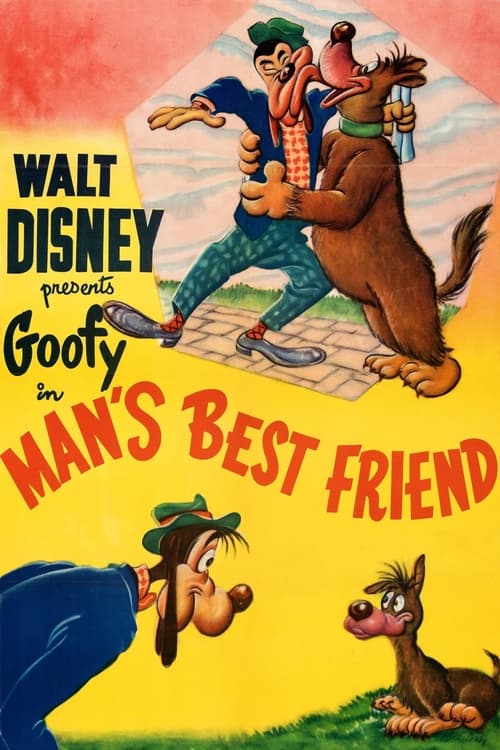
Man's Best Friend
1941
No user ratings available yet
Representation score: 0.3 out of 10
Representation Score
Minimal
1952
NRDirector
Jack Kinney
Runtime
6 minutes
Average Rating
No ratings yetNew Showbiz Analysis
Man's Best Friend is a product of its era, using traditional comedic structures and a narrow narrative focus. The story centers on Goofy's domestic struggles and his relationship with a pet dog. Because the plot relies on slapstick humor and situational conflict, it lacks the depth needed for meaningful social commentary. The film serves as a localized comedy rather than a platform for diverse representation. Ultimately, it adheres to mid-century American animation conventions, offering little multi-layered engagement.
Category Breakdown
The film focuses on a domestic setting centered around a single male character. It does not include any depictions of LGBTQ+ identities or themes.
The story revolves around Goofy handling domestic responsibilities alone. It lacks diverse gender perspectives and does not challenge traditional masculine roles.
The narrative depicts a localized conflict with a homogeneous cast. It reflects a mid-century animation style without diverse representation.
The film adheres to standard 1950s social norms and traditional storytelling. It does not engage with secularist or anti-Western themes.
There are no characters with visible or invisible disabilities in the film. No neurodivergent representation is present.
Present on Screen
Limited or Absent
Official Synopsis
Goofy buys a pet dog (Bowser) and has trouble training it. As Bowser gets bigger, he becomes a larger problem, angering the neighbors. Goofy goes out for the night, and Bowser proves not to be much of a guard dog until Goofy comes home and tries to get in.
1941
1942
1949
1954

1949
1953
1942
1938
No reviews yet. Be the first to share your thoughts on this movie!
Use the rating form above to leave a star rating and optional review.