Hello Aloha
1952
No user ratings available yet
Diversity score: 2.1 out of 10
1953
Director
Jack Kinney
Runtime
6 minutes
Average Rating
No ratings yetSynopsis
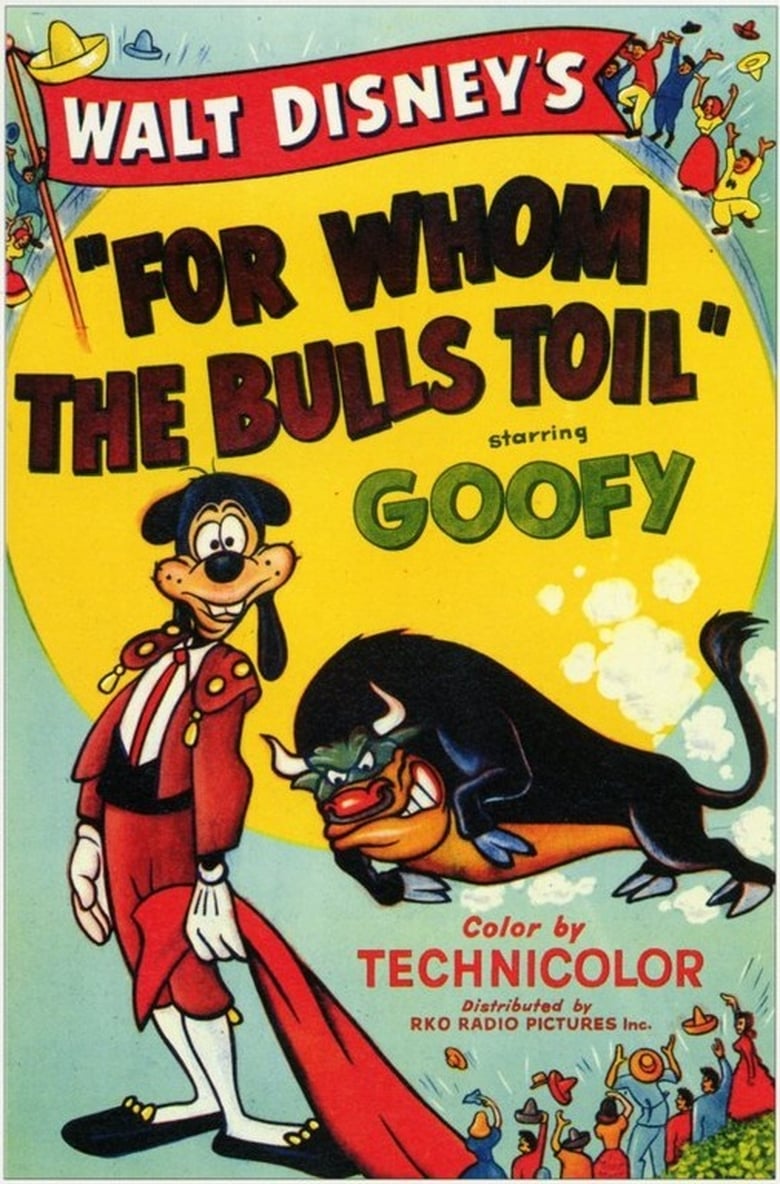
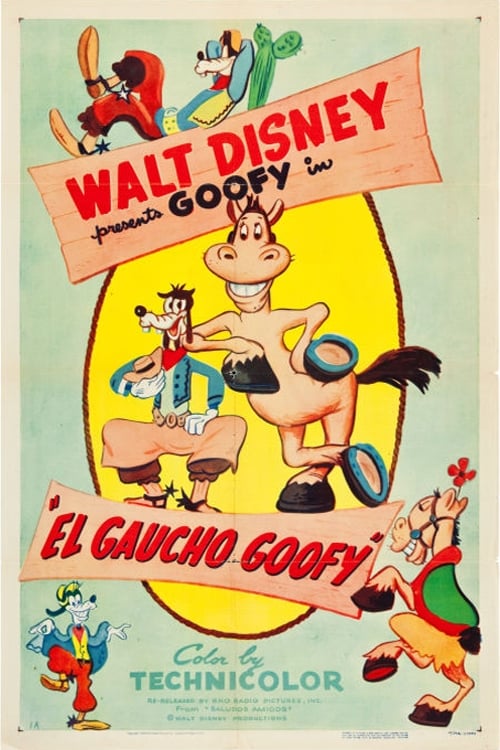
Goofy, driving through Mexico, deals with a stubborn bull on the road who eventually charges, and Goofy unwittingly subdues the bull. Mexicans who are watching the scene believe that Goofy is "the great Matador" and the minute Goofy arrives in Mexico City, they dress him like a matador and make him do battle with another bull. The reluctant Goofy tries to escape the enormous bull although after a while, once again, he triumphs over the bull by accident.
Overall Score
Limited
Category Breakdown
LGBTQ+ Representation
The narrative focuses on a singular male protagonist and a situational conflict with an animal. There is no evidence of non-cisnormative identities or critiques of heteronormativity.
Gender Representation
The film operates within a traditional masculine framework centered on male physical comedy. There is a lack of female agency or presence, reinforcing a standard mid-century gender hierarchy.
Racial & Ethnic Diversity
The film utilizes a Mexican setting and bullfighting as a comedic device. Characters of color function primarily as a reactive audience to the American protagonist's actions.
Religious & Cultural Diversity
The narrative leans on cultural exoticism by framing bullfighting through a clumsy outsider's lens. It prioritizes Western slapstick sensibilities over a nuanced depiction of Mexican cultural institutions.
Disability Representation
No specific depictions of visible or invisible disabilities are noted in the film.
Strengths
Areas for Improvement
AI Analysis
This Goofy short relies on the 'accidental hero' trope, where the protagonist gains unearned status through circumstance. The narrative architecture uses a foreign setting primarily as a backdrop for physical comedy rather than meaningful engagement. The film reflects 1950s animation standards, prioritizing slapstick over intersectional depth. Cultural elements are treated as spectacle, serving the protagonist's journey rather than providing a nuanced view of the local environment. Ultimately, the work functions through a lens of cultural exoticism. The local context remains a secondary, decorative element used to facilitate the humor of an American outsider.
1952
1945
1952
1952
1954
1953
1944
1935
1942
1945
1951
1928
No reviews yet. Be the first to share your thoughts on this movie!
Use the rating form above to leave a star rating and optional review.