How to Sleep
1953
No user ratings available yet
Diversity score: 1.6 out of 10
1951
Director
Jack Kinney
Runtime
7 minutes
Average Rating
No ratings yetSynopsis
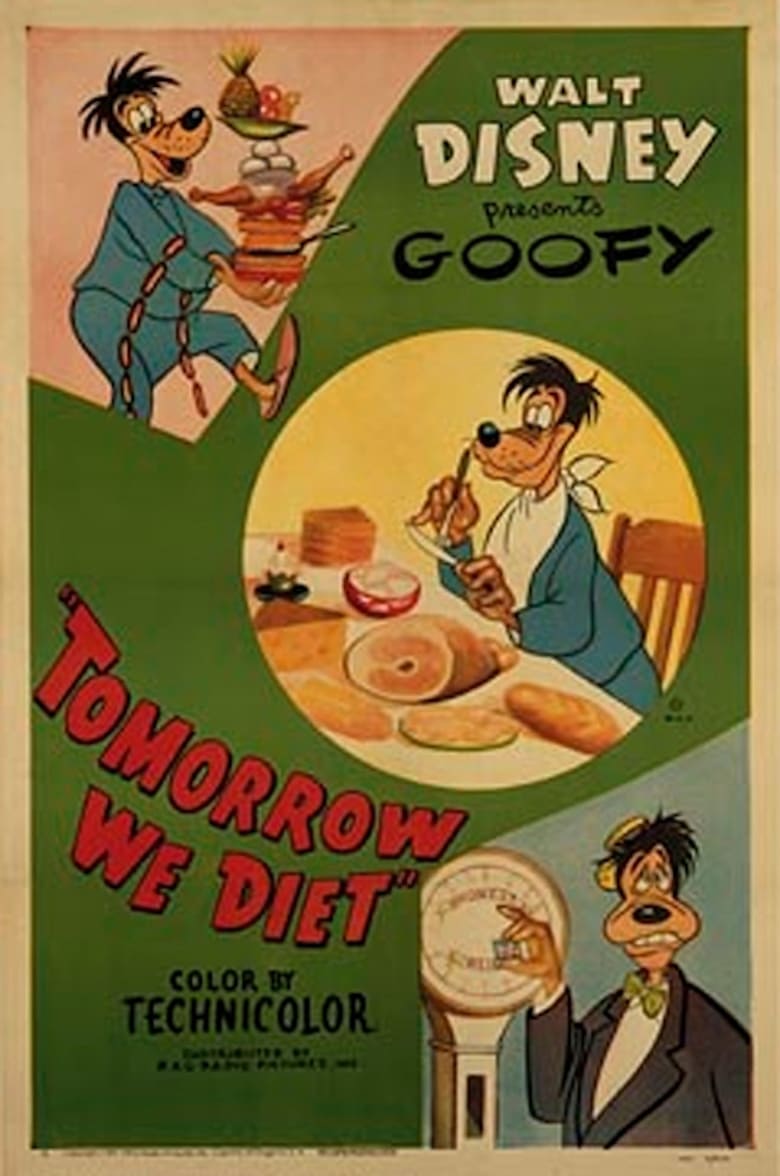
Indeed, man craves to eat and George Geef (Goofy) is no exception. He eats like it's going out of style. Finally, his reflection in the mirror tells him he's getting too fat. Goofy starts showing all the signs of being overweight. When he gets into a taxi, the back tires deflate. When he gets into an elevator, the elevator remains grounded. Goofy's reflection "helps" him lose weight by refusing to let him eat. Geef thinks he can resist but is soon upset by all manner of temptations. He goes to bed but sleepwalks to the refrigerator only to discover it is empty. It turns out his reflection ate all the food telling him, "Eat, drink, and be merry, and tomorrow we diet!"
Overall Score
Minimal
Category Breakdown
LGBTQ+ Representation
The film focuses entirely on Goofy's internal struggle with his reflection. It lacks any depiction of non-cisnormative identities or same-sex intimacy.
Gender Representation
The story centers on a male protagonist and his physical struggles. It offers no female agency or meaningful character development for women.
Racial & Ethnic Diversity
The cast is homogeneous and reflects a standard, non-diverse Western domesticity. There is no evidence of racial blending or diverse casting.
Religious & Cultural Diversity
The narrative functions as a comedic morality tale about individual willpower. It centers on Western views of personal discipline and bodily control.
Disability Representation
Obesity is used as a source of slapstick comedy, such as deflating taxi tires. These elements serve as caricatures rather than nuanced portrayals of health.
Strengths
Areas for Improvement
AI Analysis
Jack Kinney’s 1951 short is a quintessential product of its era, prioritizing slapstick comedy over social complexity. The narrative is tightly wound around a single character, Goofy, and his psychological battle with his own reflection. This narrow focus results in a lack of intersectional depth. Because the film relies on traditional mid-20th-century archetypes, it fails to challenge existing social hierarchies. The humor is derived from physical exaggeration and domestic tropes rather than any meaningful representation of diverse lived experiences. Ultimately, the film serves as a conventional comedic piece that reflects the limited demographic scope of Golden Age animation.
1953
1952
1951
1954
1952
1951
1953
1948
1949
1956
1950
1960
No reviews yet. Be the first to share your thoughts on this movie!
Use the rating form above to leave a star rating and optional review.