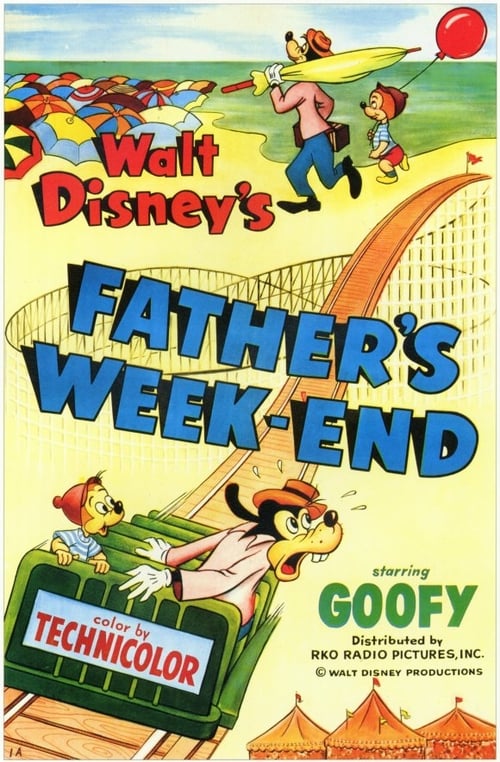
Father's Week-End
1953
No user ratings available yet
Diversity score: 1.0 out of 10
1953
Director
Jack Kinney
Runtime
7 minutes
Average Rating
No ratings yetSynopsis
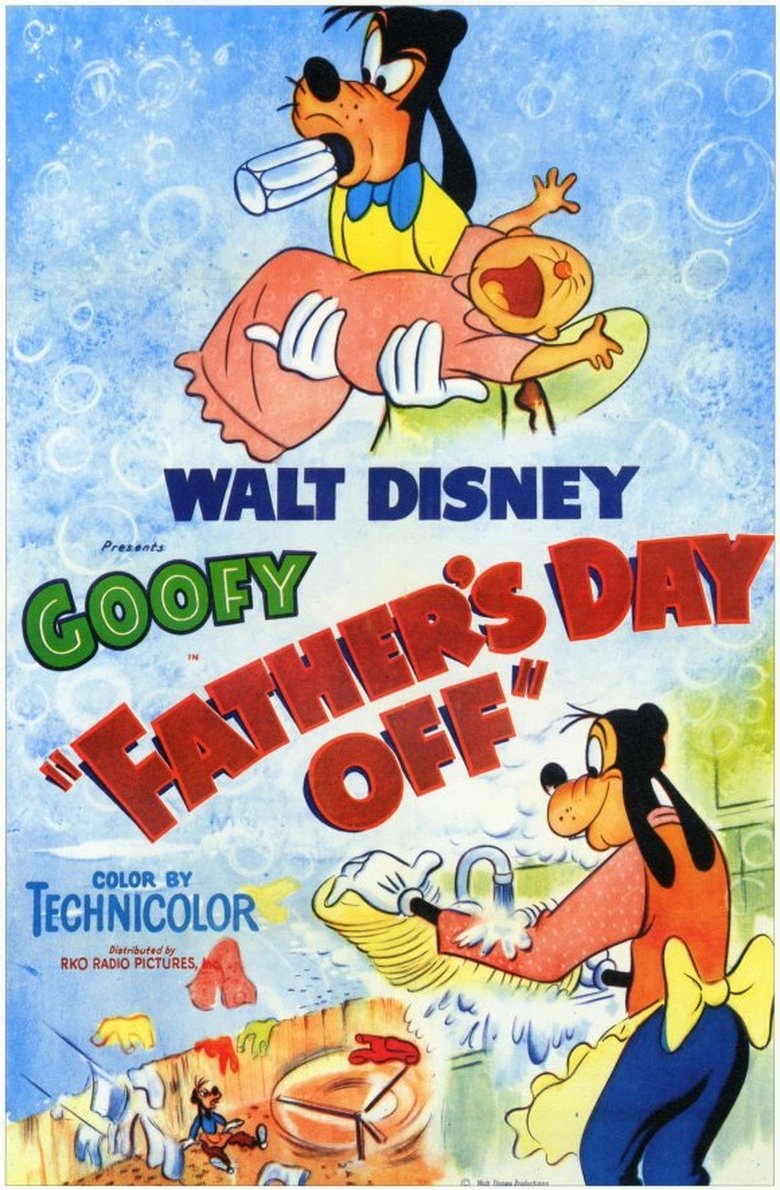
Mrs. Goofy leaves for the day leaving the house in the hands of her husband, Goofy. Goofy is confident that he can handle the day's household chores but he keeps making typical goof-ups while attempting them. His first mistake is sending Junior to school on a Saturday. At first, he just makes small blunders but, of course, they keep escalating to the point where his house is flooded, scribbled on, set on fire, invaded by firemen and policemen alike, and, basically, an utter disaster area when the wife returns.
Overall Score
Limited
Category Breakdown
LGBTQ+ Representation
The film lacks any LGBTQ+ characters or themes. The story centers strictly on a heteronormative nuclear family unit without exploring non-cisnormative identities.
Gender Representation
Gender roles follow a traditional division of labor. While Goofy's domestic ineptitude provides slapstick humor, the wife remains the returning authority figure who restores order.
Racial & Ethnic Diversity
The domestic environment is entirely homogeneous. No racial or ethnic diversity is present among the main characters or the responding emergency personnel.
Religious & Cultural Diversity
The narrative operates within a conventional 1950s Western framework. It emphasizes domestic sanctity and reinforces the necessity of traditional family structures and household order.
Disability Representation
No characters are depicted with visible or invisible disabilities. The comedy relies on situational clumsiness rather than representing neurodivergence or physical impairment.
Strengths
Areas for Improvement
AI Analysis
Father's Day Off is a product of its mid-century era, functioning as a standard domestic comedy. It relies heavily on established social archetypes that reinforce the status quo of the 1950s. The film lacks intersectional complexity, presenting a homogeneous world where gender roles and domestic hierarchies are clearly defined. While it subverts the idea of male competence through slapstick, it does so without challenging the underlying social structures. Ultimately, the narrative serves to uphold traditional norms of family and order, offering no significant representation of diverse identities or cultural perspectives.
1953
1954
1951
1952
1952
1952
1953
1951
1944
1955
1952
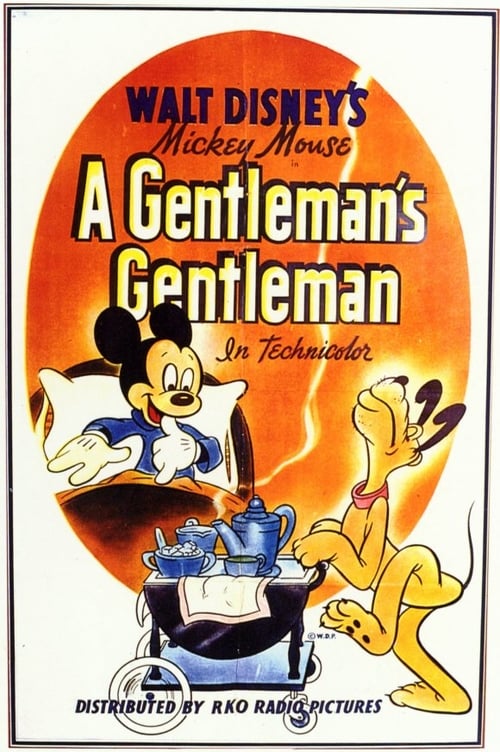
1941
No reviews yet. Be the first to share your thoughts on this movie!
Use the rating form above to leave a star rating and optional review.