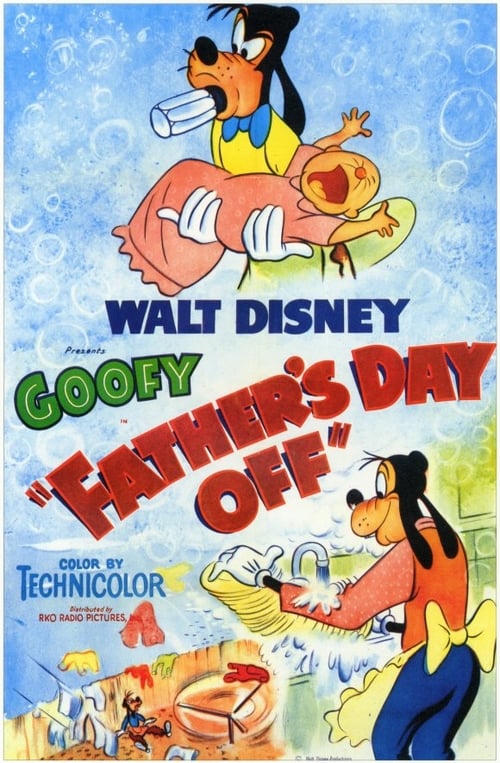
Father's Day Off
1953
No user ratings available yet
Diversity score: 2.2 out of 10
1954
NRDirector
Jack Kinney
Runtime
7 minutes
Average Rating
No ratings yetSynopsis
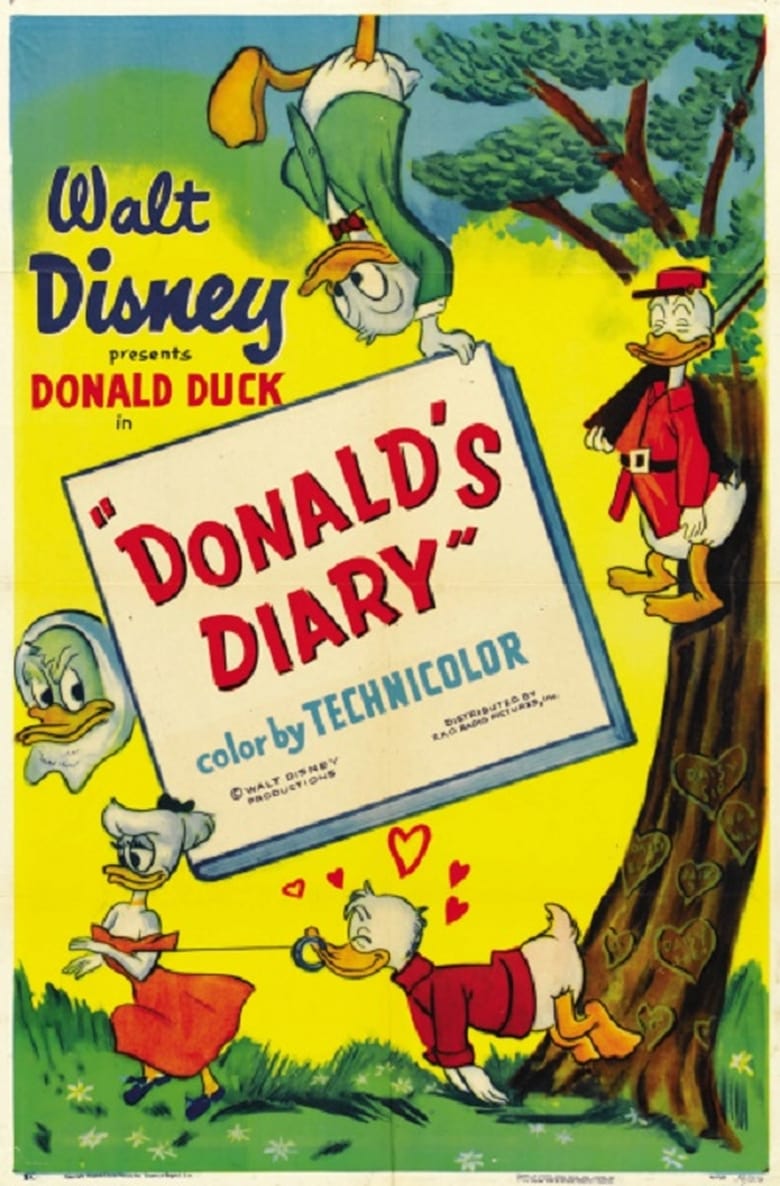
Donald is writing in his diary and narrating (in a rather sophisticated voice) about his romance with Daisy. She was able to snare him into a relationship in which they got to know each other better and Donald got to meet Daisy's family. Finally, Donald decides to marry Daisy but when waiting for her to arrive so he can pop the question, he falls asleep and has a nightmarish vision of what married life would be like (among other things that he'll be forced to do all the housework and be served a burnt T bone for dinner). Needless to say, the marriage is called off when he awakens.
Overall Score
Minimal
Category Breakdown
LGBTQ+ Representation
The film focuses entirely on a heteronormative courtship between Donald and Daisy. It lacks any representation of non-cisnormative identities or critiques of traditional romantic structures.
Gender Representation
Gender roles are depicted through the lens of 1950s anxieties. Donald's nightmare portrays domesticity as a comedic burden, reinforcing traditional hierarchies rather than subverting them.
Racial & Ethnic Diversity
The cast is homogeneous, lacking any racial or ethnic complexity. The setting operates within a vacuum of standard animated archetypes from the era.
Religious & Cultural Diversity
The narrative adheres to Western domestic ideals centered on marriage. It offers no engagement with diverse cultural perspectives or non-Western social structures.
Disability Representation
There is no depiction of characters with visible or invisible disabilities. Donald's temper is presented as a standard character trait rather than a nuanced exploration of neurodivergence.
Strengths
Areas for Improvement
AI Analysis
Donald's Diary is a character study of domestic anxiety rooted in mid-century social mores. The film relies on slapstick comedy to explore Donald's fear of losing autonomy within a conventional marriage. While the narrative uses a sophisticated voice to frame the diary entries, it fails to engage with any intersectional identities. The story remains confined to a narrow, traditional framework that reflects the era's standard archetypes. Ultimately, the film functions as a closed loop of individualistic frustration, offering no commentary on systemic power dynamics or diverse human experiences.
1953
1953
1951
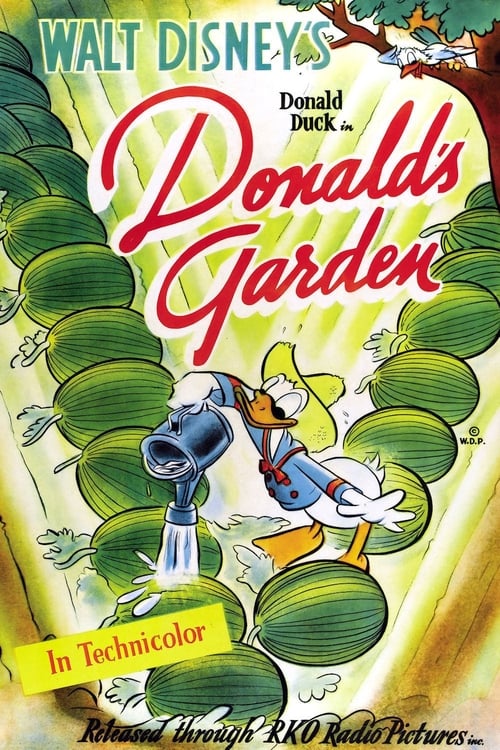
1942
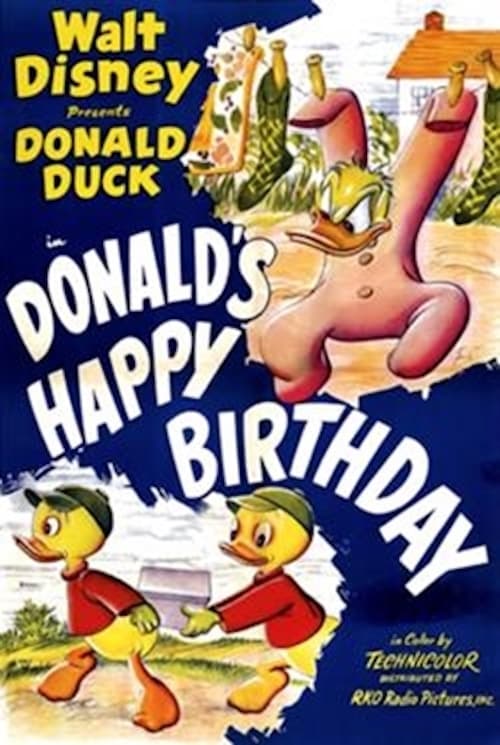
1949
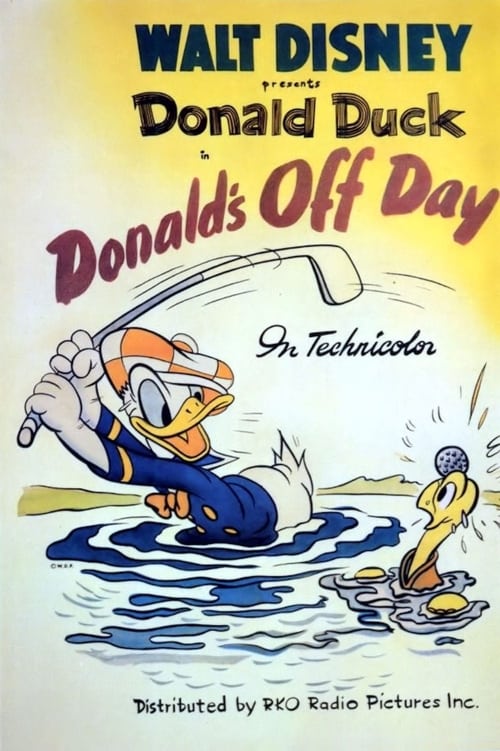
1944
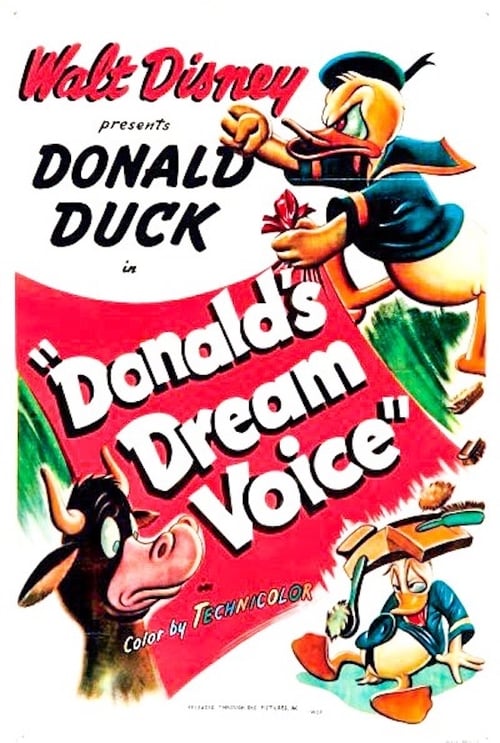
1948
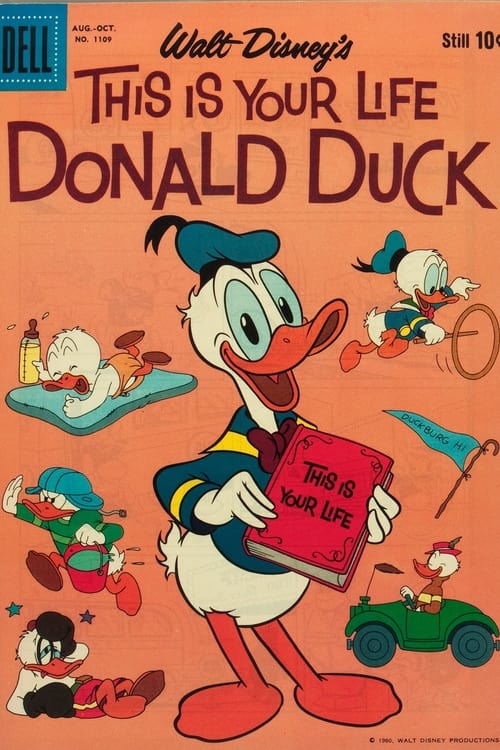
1960
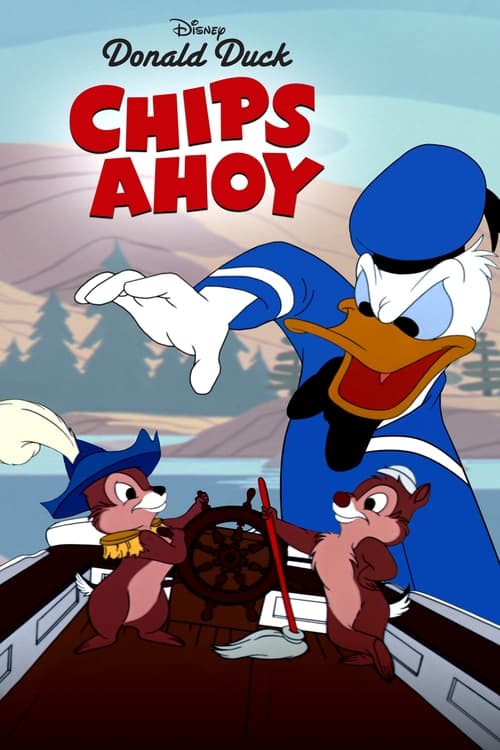
1956
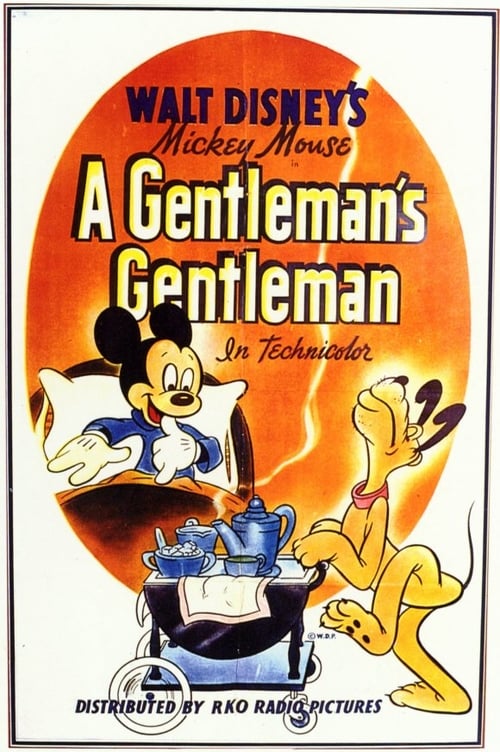
1941
1956
1951
No reviews yet. Be the first to share your thoughts on this movie!
Use the rating form above to leave a star rating and optional review.