Good Night Elmer
1940
No user ratings available yet
Representation score: 0.3 out of 10
Representation Score
Minimal
1953
Director
Jack Kinney
Runtime
7 minutes
Average Rating
No ratings yetNew Showbiz Analysis
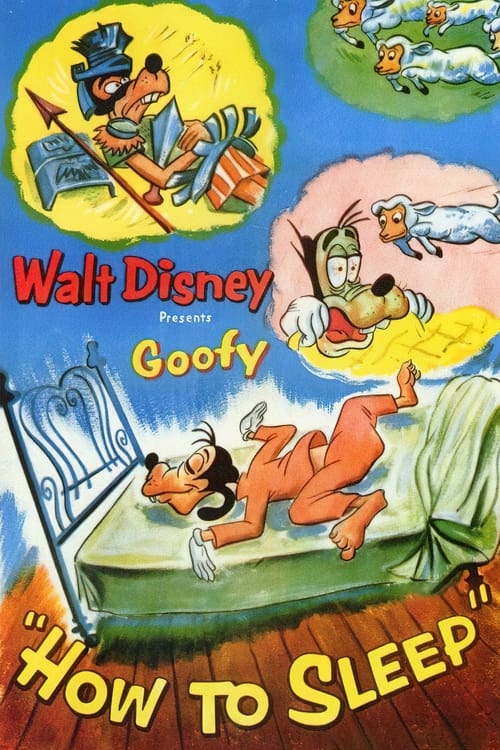
How to Sleep is a character-driven slapstick short that emphasizes physical comedy over social depth. The narrative revolves around Goofy's struggle with insomnia, leaving little room for exploring complex identities. As a product of 1950s studio animation, the film relies on well-known archetypes and homogeneous characters, functioning primarily as a brief comedic sketch rather than a vehicle for characters who reflect more than one aspect of diversity or critical social commentary. Ultimately, the film lacks the structural complexity and diverse cast needed to address modern issues of ability to act and progressive social dynamics.
Category Breakdown
The story focuses solely on a character dealing with insomnia and does not include any characters with non-straight or non-cisgender identities.
Goofy is portrayed as a traditional comedic character. His bumbling nature avoids typical masculine stereotypes but this is due to slapstick humor rather than intentional gender subversion.
The film features a single anthropomorphic character and does not include a diverse cast or blend of racial and ethnic identities.
The story follows typical mid-century comedic sketches. It lacks any critical examination of cultural or religious norms and does not include secular or anti-Western sentiments.
Insomnia is used as a tool for physical humor. The film does not provide a nuanced look at neurodivergence or the experiences of those with chronic conditions.
Present on Screen
Limited or Absent
Official Synopsis
Goofy has insomnia, and is desperate for some restful sleep.
1940
1953
1951
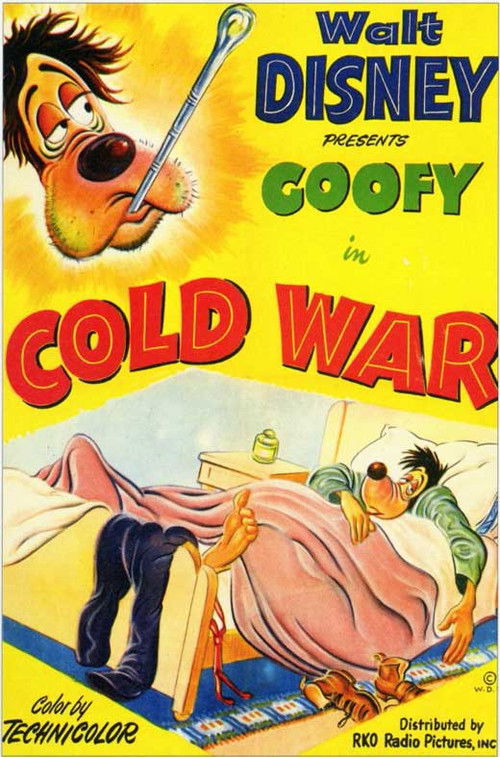
1951
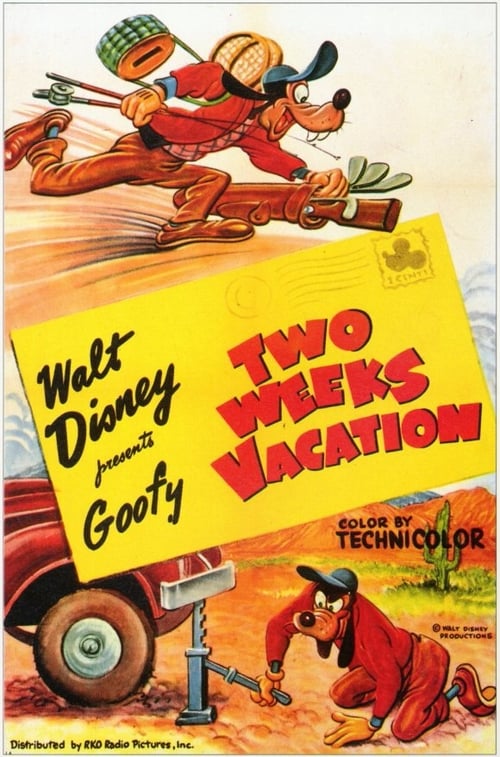
1952
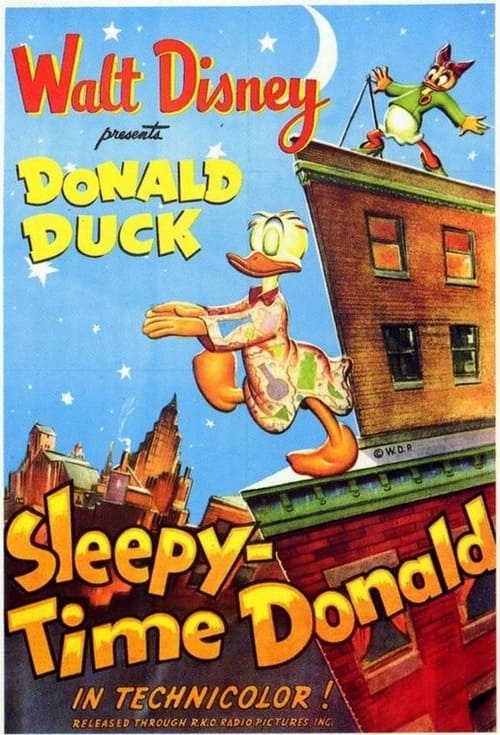
1947
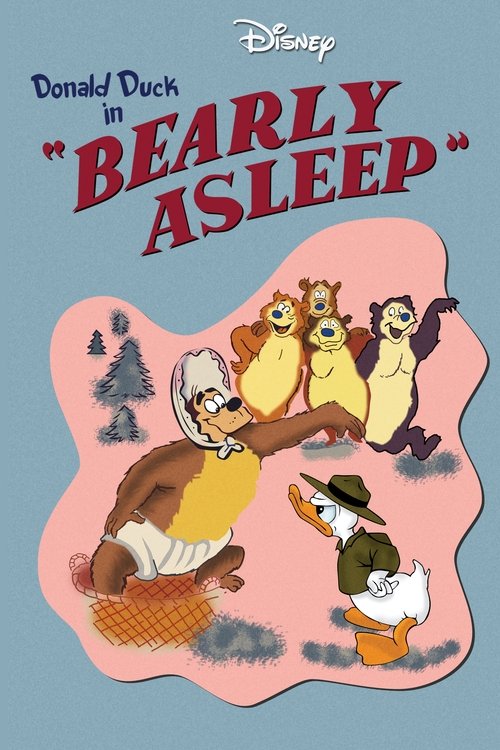
1955
1951
No reviews yet. Be the first to share your thoughts on this movie!
Use the rating form above to leave a star rating and optional review.