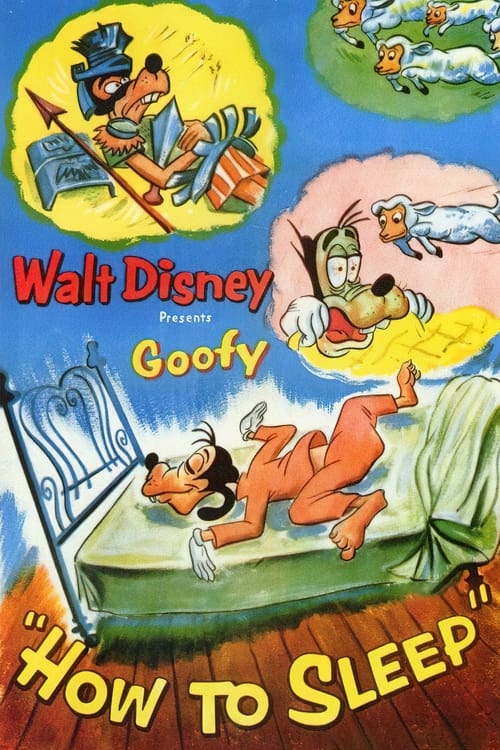
How to Sleep
1953
No user ratings available yet
Representation score: 1.6 out of 10
Representation Score
Minimal
1952
Director
Jack Kinney
Runtime
6 minutes
Average Rating
No ratings yetNew Showbiz Analysis
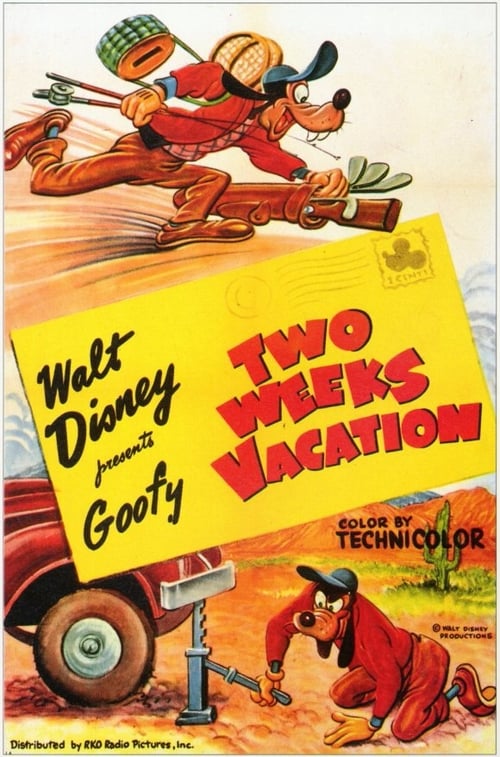
Two Weeks Vacation is a quintessential mid-century animated short that prioritizes slapstick comedy over social depth. The narrative follows Goofy through a series of frustrating travel mishaps, focusing entirely on physical humor and situational obstacles. Since the film is a character-driven vignette from 1952, it lacks any intentional effort toward multiculturalism or diverse representation. It operates within a highly conventional, Western-centric framework that reinforces the status quo of the era. Ultimately, the film serves as lighthearted escapism. It does not aim to challenge social hierarchies or offer nuanced perspectives on identity, remaining a product of its specific historical period.
Category Breakdown
The film does not depict any non-straight relationships or queer subtext. It stays within the traditional social norms of the 1950s.
The story focuses on a single male character, Goofy. There are no female characters or diverse gender expressions featured in the short.
The film features a cast and setting that are homogeneous. There is no evidence of racial or ethnic diversity among the characters or settings.
The story promotes a traditional view of the working man seeking leisure. It adheres to conventional Western social structures without questioning established institutions.
Goofy’s physical clumsiness is used as a comedic device. The film does not treat these traits as meaningful representations of disability or neurodiversity.
Present on Screen
Limited or Absent
Official Synopsis
After several long days at work, Goofy finally takes a much needed vacation. However, his trip never quite gets off the ground mainly because he spends most of it stuck behind a slow moving trailer. When he gets a flat tire, the mechanic inspects every part of his car except the tire. The only motel he can find is a little shack too close to a railroad track. On the road once more, he gets stuck behind said trailer again only to pass it and discover no one is driving it.
1953
1953
1952
1941
1950
1971
1935
1943
No reviews yet. Be the first to share your thoughts on this movie!
Use the rating form above to leave a star rating and optional review.