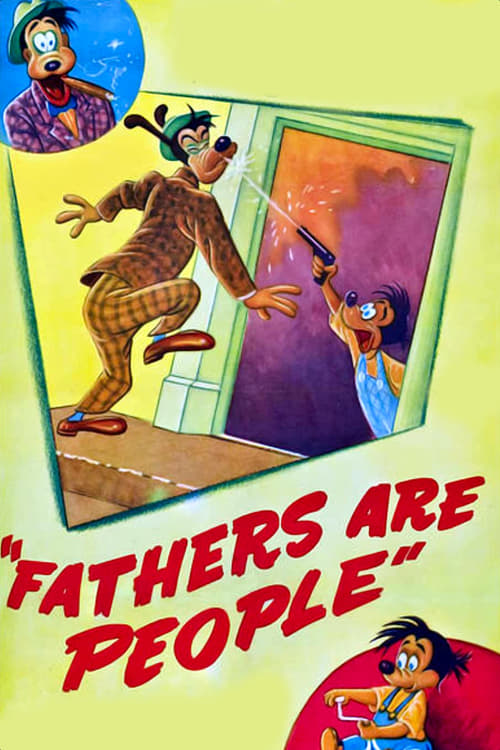
Fathers Are People
1951
No user ratings available yet
Representation score: 0.9 out of 10
Representation Score
Minimal
1953
Director
Jack Kinney
Runtime
7 minutes
Average Rating
No ratings yetNew Showbiz Analysis
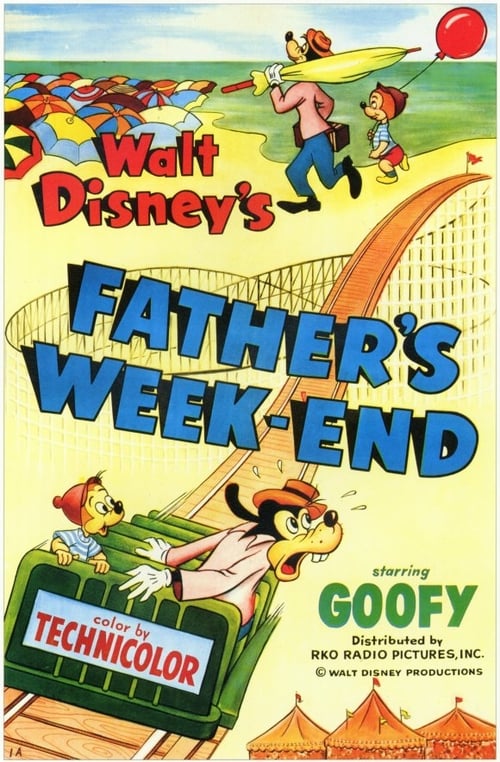
Father's Week-End is a product of mid-century traditionalism that reinforces established social hierarchies. It relies on a standardized social framework to drive its comedic routine, focusing on the stability of industrial labor and the nuclear family. The film lacks any attempt to challenge or critique existing power dynamics. Instead, it uses the 'everyman' archetype to validate adherence to routine and the conventional social order of the 1950s. Because the narrative is so deeply rooted in the era's status quo, it offers almost no representation of diverse cultural perspectives or underrepresented identities.
Category Breakdown
The film focuses on a traditional family structure with a father and son. There are no depictions of LGBTQ+ identities or same-sex relationships.
The story reinforces mid-century gender roles by emphasizing the male 'working man' archetype and the paternal role. The protagonist struggles with his domestic life.
Goofy is portrayed as a universal everyman, but the setting lacks racial diversity or varied ethnic perspectives. The social environment appears homogeneous and typical of 1950s animation.
The film upholds traditional Western values regarding work, discipline, and the nuclear family. It presents the family unit as a source of comedic chaos without promoting progressive ideals.
There are no characters with visible or invisible disabilities in the film. Disability is not used as a narrative device or plot point.
Present on Screen
Limited or Absent
Official Synopsis
Goofy plays everyman again. He's an average working joe who demonstrates "the up on time/work on time/bed on time" routine while going from work to home every weekday. On Saturday night, however, he parties it up and attempts to get some rest the next Sunday but with his son around, it's impossible. He insists Dad take him to the beach and, although Goofy refuses, he ends up going anyway where he gets into all sorts of trouble mainly as the result of chasing his son all over the place. Worse yet, when he leaves, he falls victim to the world's biggest traffic jam. As a result of all this, he is relieved to go back to work the following week!
1951
1951
1952
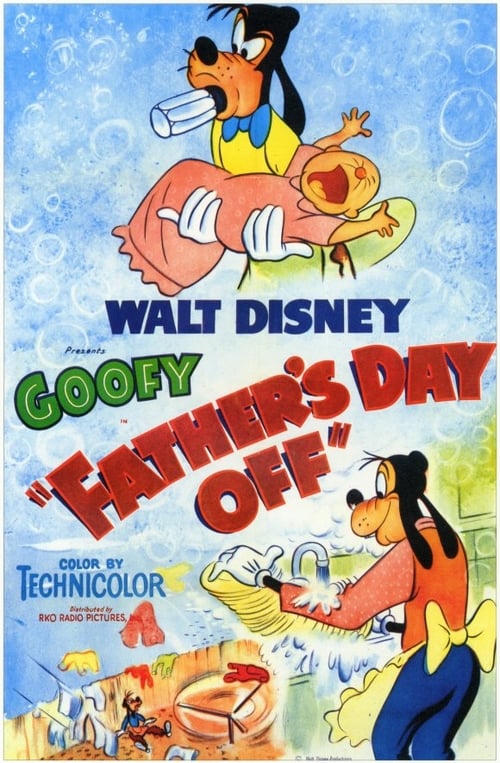
1953
1934
1942
1960
1947
No reviews yet. Be the first to share your thoughts on this movie!
Use the rating form above to leave a star rating and optional review.