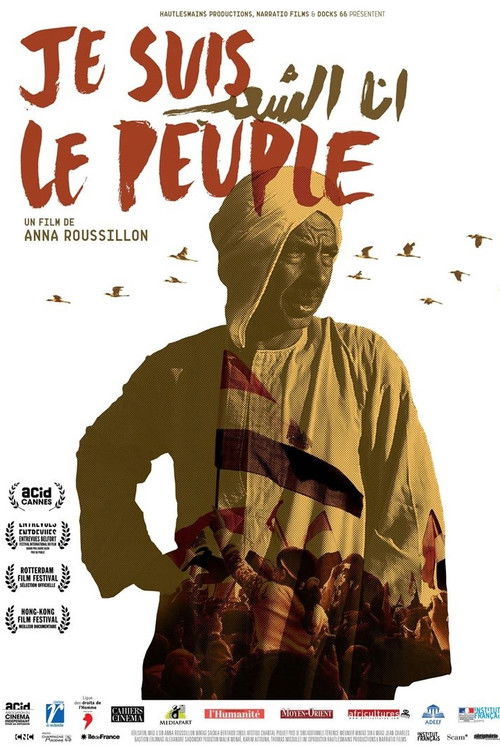
I Am the People
2016
No user ratings available yet
Representation score: 5.6 out of 10
Representation Score
Good
2012
TV-14Director
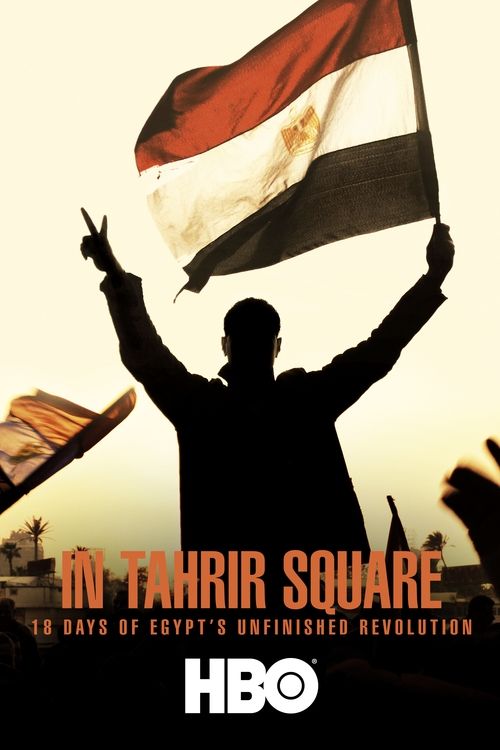
Matthew O'Neill, Jon Alpert
Runtime
36 minutes
Average Rating
No ratings yetNew Showbiz Analysis
The documentary provides an authentic, non-Western perspective on a major historical event by centering the Egyptian populace. It avoids the 'Western gaze' and successfully portrays a diverse coalition of Muslim and Coptic Christian citizens united against an autocratic regime. While it excels in racial and cultural representation, it lacks depth in specific identity-based narratives. The film prioritizes immediate political objectives, resulting in a notable absence of LGBTQ+ representation and intentional focus on disability or neurodivergence. Ultimately, the film's strength lies in its depiction of systemic upheaval and the collective ability to act of a diverse citizenry, challenging traditional hierarchies.
Category Breakdown
The film focuses on the broad mobilization of the Egyptian citizenry. There is no specific narrative focus on LGBTQ+ identities.
Women are shown as active participants in the political sphere, taking part in high-stakes civil disobedience alongside men. They are not passive observers.
The documentary centers the lived experiences of the Egyptian people, featuring a wide range of socioeconomic classes and religious identities. It presents a diverse cast that is predominantly non-Western.
The film explores themes of anti-authoritarianism and the rejection of the Mubarak regime. It documents the dismantling of traditional power structures through a populist uprising.
The documentary captures the physical toll of confrontations with security forces but does not intentionally highlight specific disabilities or neurodivergence.
Present on Screen
Limited or Absent
Official Synopsis
With footage shot in the center of Egypt's Tahrir Square from the beginning of the battles to the climax of the celebration, audiences experience first-hand the people-powered revolt that brought down a dictator and changed Egypt forever.
2016

2013

2015

2011

2014
2017
2012
2015
No reviews yet. Be the first to share your thoughts on this movie!
Use the rating form above to leave a star rating and optional review.