
Troublemakers
1966
No user ratings available yet
Representation score: 6.2 out of 10
Representation Score
Excellent
1990
Not RatedDirector
Mark Kitchell
Runtime
117 minutes
Average Rating
No ratings yetNew Showbiz Analysis
Mark Kitchell’s documentary succeeds as a historical study of systemic conflict, prioritizing the roles of underrepresented groups over traditional institutional history. By using archival footage, the film goes beyond a simple timeline to explore how grassroots movements challenged Western dominance. The work is particularly strong in its depiction of racial the way different parts of someone's identity overlap and the evolving gender landscape. It frames the 1960s as a period of intentional transition toward identity politics, making the era's social rebellions feel purposeful and transformative. However, the film lacks depth regarding specific LGBTQ+ identities and disability representation. While it captures the broad spirit of social liberation, these specific experiences are not central to the narrative structure.
Category Breakdown
The film captures the social changes of the 1960s through archival footage. However, specific stories involving LGBTQ+ individuals and those who don't identify with their birth-assigned gender are not central to the main storyline.
The documentary highlights the rise of second-wave feminism and women's active roles in radical politics. It effectively challenges the idea of women being passive by showing them as leaders in the fight against patriarchal structures.
The film excels by focusing on the Black Power movement and civil rights struggles. It documents how racial identity and anti-imperialist sentiments became key drivers of political action during the era.
The narrative focuses on the growth of anti-capitalist and anti-war sentiments. It offers a sophisticated look at the dismantling of mid-century social norms and traditional Western institutions.
There is limited focus on neurodivergence or physical disabilities. These conditions are not used as primary lenses for understanding ability to act or narrative development in the film.
Present on Screen
Limited or Absent
Official Synopsis
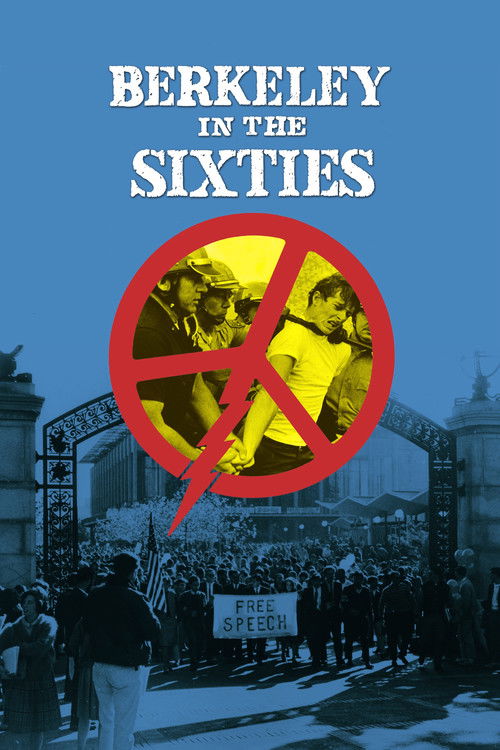
A documentary about militant student political activity at the University of California, Berkeley in the 1960s.
1966
2012

1969
2002
1978
1967
2015
2011
No reviews yet. Be the first to share your thoughts on this movie!
Use the rating form above to leave a star rating and optional review.