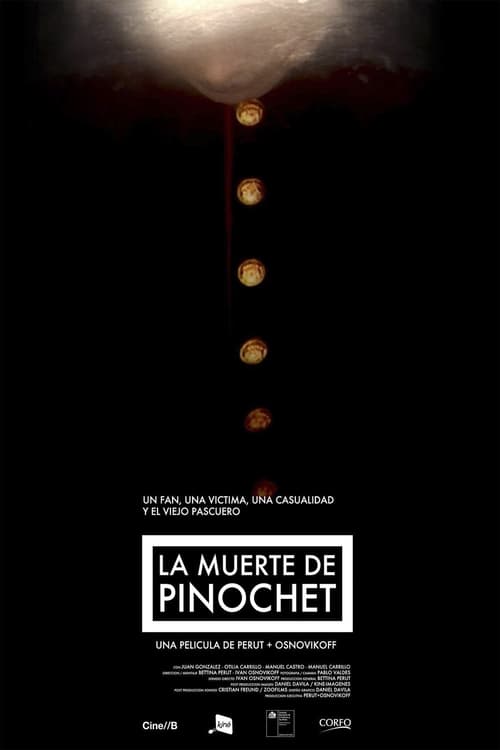
The Death of Pinochet
2011
No user ratings available yet
Representation score: 9.1 out of 10
Representation Score
Good
1975
Not RatedDirector
Patricio Guzmán
Runtime
97 minutes
Average Rating
No ratings yetNew Showbiz Analysis
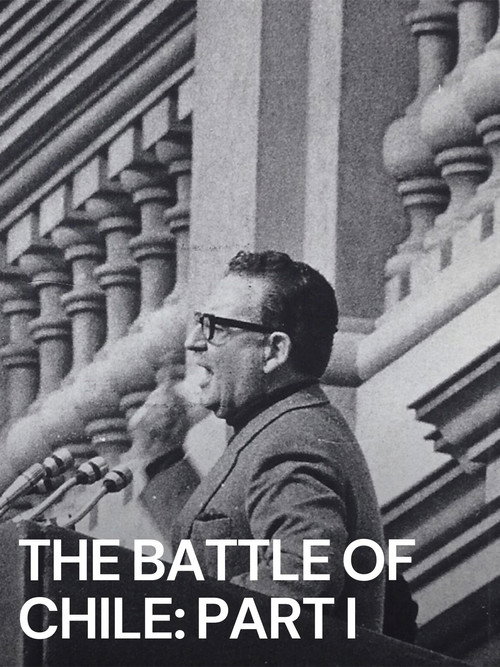
Patricio Guzmán’s work serves as a foundational text of Third Cinema, using film as a tool for decolonization. The documentary effectively challenges Western dominance by centering the ability to act of the Chilean working class and the struggle against imperialist power dynamics. While the film excels at deconstructing class hierarchies and cultural sovereignty, it lacks specific focus on individual identities such as sexual orientation or disability. The narrative structure is built around macro-political movements rather than personal identity politics. Ultimately, the film provides a profound critique of systemic inequality. It succeeds in elevating the voices of the underrepresented through a lens of social struggle and collective resistance.
Category Breakdown
The documentary focuses on broad socio-political movements and class struggles, but does not specifically address LGBTQ+ identities or non-binary gender roles.
Women are shown as active participants in labor movements and political protests, but the narrative sometimes centers on male-dominated leadership structures.
The film deconstructs the Western perspective by focusing on Chilean miners and the working class, prioritizing local viewpoints over Eurocentric historical narratives.
The narrative critiques capitalist structures and foreign influence on national sovereignty, emphasizing collective identity and systemic struggles over individual morality.
The film does not specifically depict neurodivergence or physical disabilities, and these conditions are not central to the narrative.
Present on Screen
Limited or Absent
Official Synopsis
The chronicle of the political tension in Chile in 1973 and of the violent counter revolution against the democratically elected government of Salvador Allende.
2011

2012

1976
2012

1961
1966
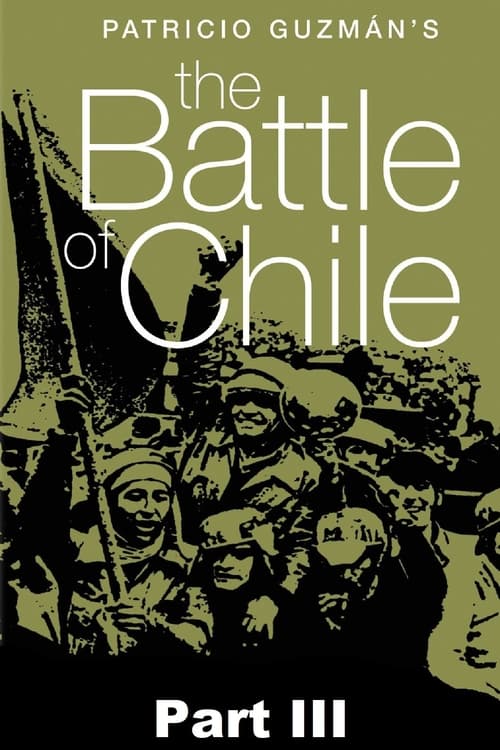
1979
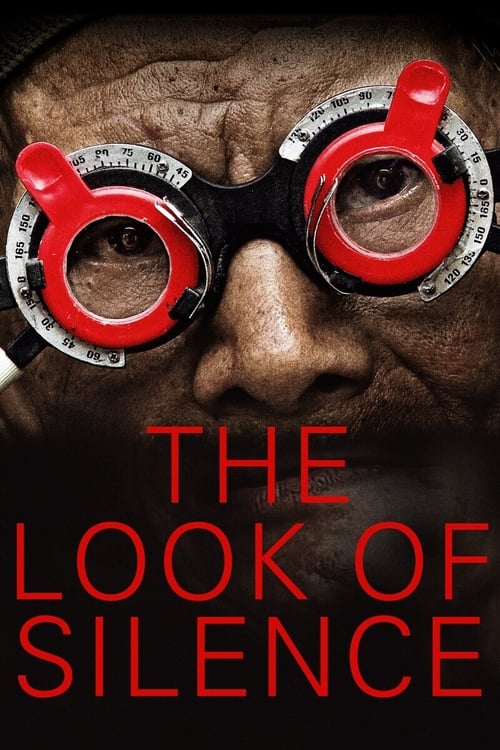
2014
No reviews yet. Be the first to share your thoughts on this movie!
Use the rating form above to leave a star rating and optional review.