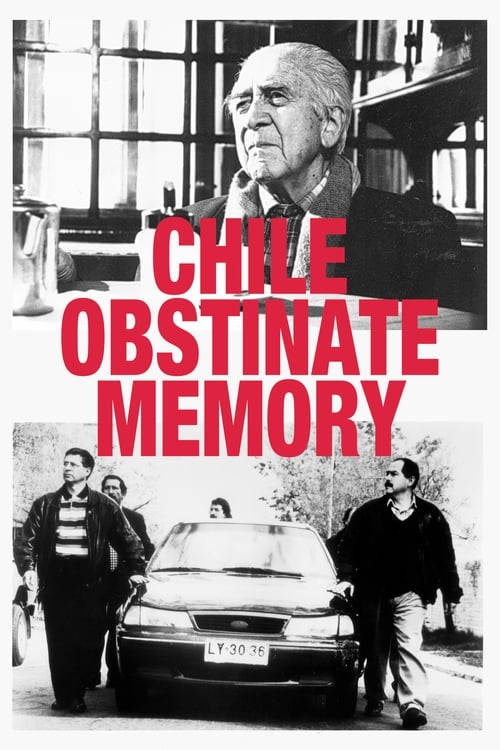
Chile: Obstinate Memory
1997
No user ratings available yet
Diversity score: 6.5 out of 10
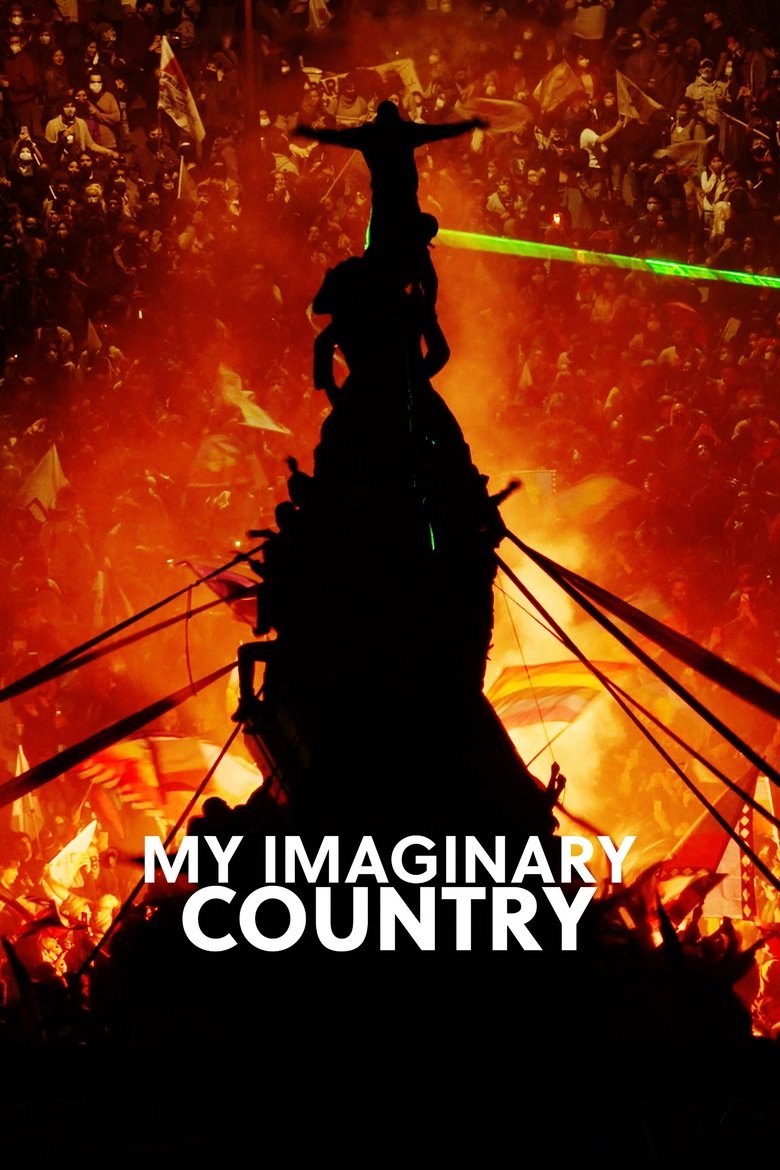
2022
Director
Patricio Guzmán
Runtime
83 minutes
Average Rating
No ratings yetSynopsis
This documentary explores the protests that exploded onto the streets of Chile’s capital of Santiago in 2019 as the population demanded more democracy and social equality around education, healthcare and job opportunities.
Overall Score
Good
Category Breakdown
LGBTQ+ Representation
The film maintains a neutral stance regarding queer identities. It focuses on macro-political history and human rights rather than specific LGBTQ+ narratives or gender-identity-driven arcs.
Gender Representation
Gender hierarchies are avoided by focusing on a collective historical subject. The film deconstructs patriarchal military authority, framing state-sponsored masculinity as a source of national trauma.
Racial & Ethnic Diversity
A post-colonial framework examines how indigenous landscapes and Western structures shape Chilean identity. The film presents a fractured mosaic of social identities rather than a homogeneous norm.
Religious & Cultural Diversity
The documentary excels by critiquing Western institutional stability and capitalist structures. It prioritizes subjective truth and the struggles of the people over official state myths and monuments.
Disability Representation
There is no specific focus on visible or invisible disabilities. The film uses the 'body politic' as a metaphor for trauma but lacks representation of disability as a category.
Strengths
Areas for Improvement
AI Analysis
Patricio Guzmán’s documentary offers a profound deconstruction of Chilean national identity through a post-colonial lens. It succeeds by challenging official state narratives and centering the voices of those marginalized by systemic repression and military dictatorship. The film's strength lies in its systemic critique and its ability to frame the 2019 social uprisings as a quest for democratic reclamation. It moves beyond traditional journalism to explore how geography and memory form a national consciousness. However, the film's macro-political focus results in a lack of specific representation for individual identities. It does not engage with LGBTQ+ narratives or disability as distinct categories of agency.
1997
1979

2019

2006

2013
2000

2004
2021

2018

2021
2004

2021
No reviews yet. Be the first to share your thoughts on this movie!
Use the rating form above to leave a star rating and optional review.