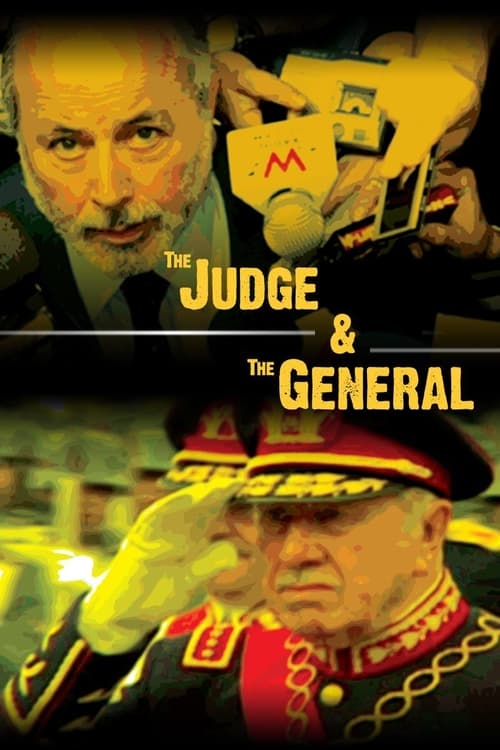
The Judge and the General
2008
No user ratings available yet
Representation score: 6.0 out of 10
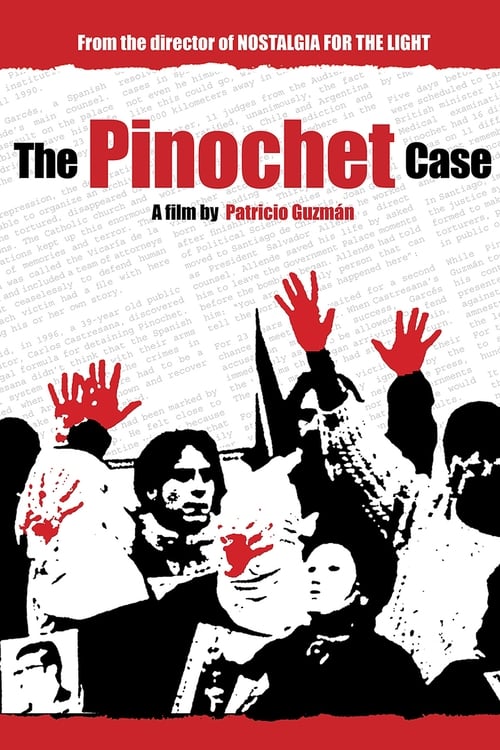
Representation Score
Fair
2001
Not RatedDirector
Patricio Guzmán
Runtime
110 minutes
Average Rating
No ratings yetNew Showbiz Analysis
Patricio Guzmán’s documentary stands out for its deconstruction of traditional power structures and Western-centric historical narratives. By focusing on the struggle for sovereignty and the impact of imperialist frameworks, the film delivers a powerful critique of neoliberalism and state-sponsored terror. The film is particularly effective in its cultural examination, challenging the morality of external intervention in South American affairs. It shifts the focus from institutional stability to the lived realities of those affected by authoritarianism. However, the documentary lacks specific representation of LGBTQ+ identities and does not explicitly address disability. While psychological trauma is present, these topics remain secondary to the main legal and political investigation.
Category Breakdown
The documentary focuses on the legal and political consequences of the Chilean dictatorship. It does not include specific stories or representations of LGBTQ+ identities.
Women are shown as political activists and survivors of state violence. The film highlights their personal experiences to provide a nuanced look at the gendered impacts during political turmoil.
The film explores the social fabric of Chile and Latin American experiences. It delves into post-colonial themes by looking at U.S. intervention and its influence on national identity.
The narrative offers a sophisticated critique of neoliberal capitalism and Western institutions. It emphasizes anti-imperialist themes and the pursuit of justice over traditional state stability.
There is no explicit focus on disability or neurodivergence. However, the psychological trauma experienced by survivors remains an implicit part of the testimonies.
Present on Screen
Limited or Absent
Official Synopsis
True story of the saga that was hoped to be the long-awaited justice brought to bear upon Augosto Pinochet, Chilean dictator from 1973 to 1990. In September 1998, Pinochet flew to London on a pleasure trip but experienced back pain and underwent an operation in the London Clinic. Upon waking, he was arrested by Scotland Yard. Could it be that this was to become the first Latin American dictator to answer for crimes while serving as Head of State? After 500 days of house arrest, he nevertheless eventually returned unscathed to Chile, despite the compelling case built against him before & during this period by a young Spanish prosecutor, Carlos Castresana.
2008
2012
2004
2017

2001
2011

2016
2020
No reviews yet. Be the first to share your thoughts on this movie!
Use the rating form above to leave a star rating and optional review.