
Lad from Our Town
1942
No user ratings available yet
Representation score: 1.9 out of 10

Representation Score
Fair
1929
Not RatedDirector
Alexander Dovzhenko
Runtime
83 minutes
Average Rating
No ratings yetNew Showbiz Analysis
Dovzhenko’s *Arsenal* is a powerful example of montage cinema that emphasizes collective experience over individual stories. It excels in its strong cultural critique and portrayal of women as active agents in the revolutionary struggle. However, the film does not address modern identity-based representation, such as LGBTQ+ or disability narratives. It remains focused on the socio-political context of the time, lacking contemporary perspectives that reflect multiple aspects of identity.
Category Breakdown
The film does not depict any LGBTQ+ identities. Instead, it focuses on the class-based solidarity and the revolutionary struggle against the socio-political structures of the time.
Women are shown as active participants in the revolutionary movement, working and fighting alongside men. This portrayal challenges traditional gender roles.
The film critiques the dominance of the Russian Empire by emphasizing a transnational proletariat identity that goes beyond traditional ethnic divisions.
The narrative criticizes capitalist and imperial institutions, presenting the dismantling of the old social order as a moral necessity. Traditional religious and state institutions are portrayed as oppressive.
The film does not focus on characters with disabilities. Characters are primarily defined by their socio-economic status and their role in the revolution.
Present on Screen
Limited or Absent
Official Synopsis
A soldier returns to Kyiv after surviving a train crash and encounters clashes between nationalists and collectivists. The story of the suppression of the Bolshevik uprising at the Arsenal factory in Kyiv by the Central Council troops.
1942

1930
1943

1977
1957
1939
1967
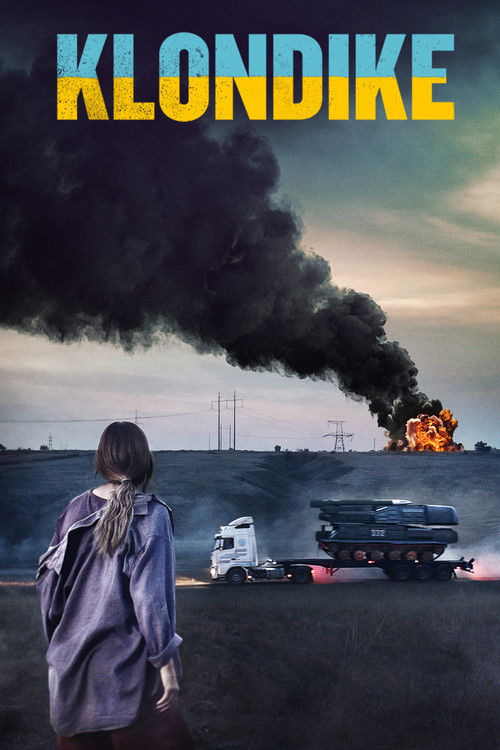
2022
No reviews yet. Be the first to share your thoughts on this movie!
Use the rating form above to leave a star rating and optional review.