The Priest
2009
No user ratings available yet
Diversity score: 3.2 out of 10
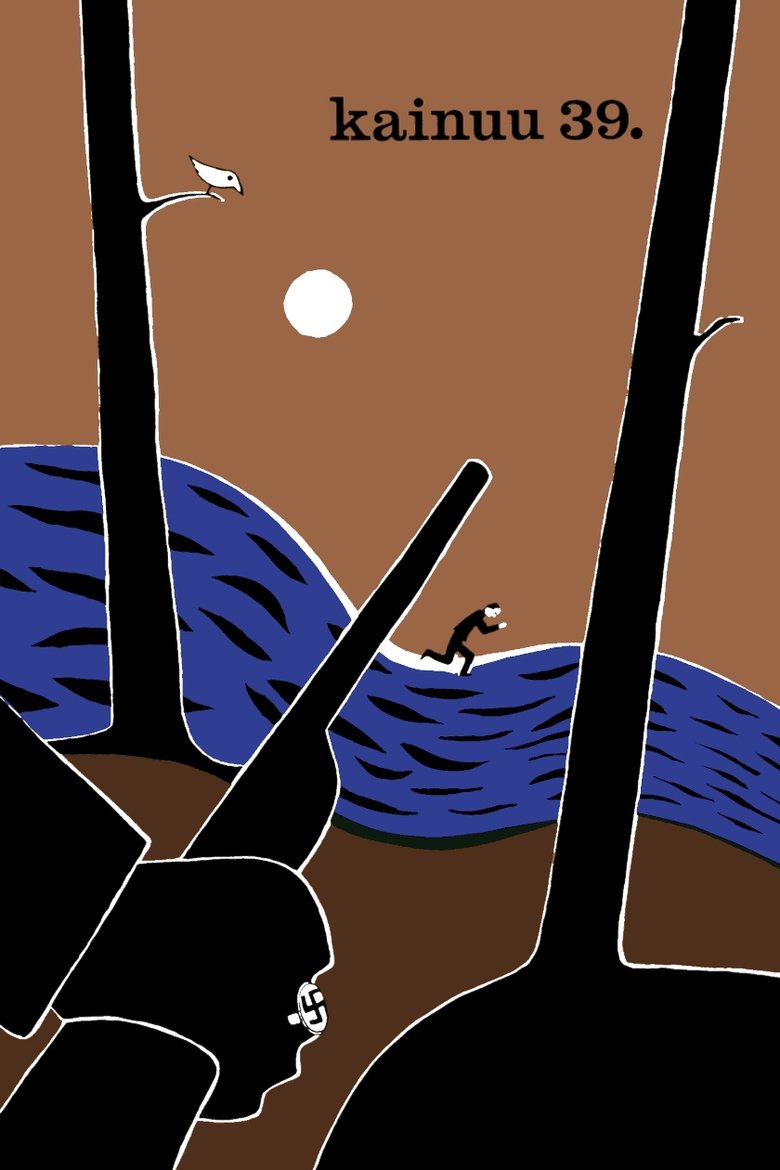
1979
K-8Director
Pekka Lehto, Pirjo Honkasalo
Runtime
81 minutes
Average Rating
No ratings yetSynopsis
Docudrama about the Soviet occupation of a Finnish village in the fall before the Winter War.
Overall Score
Fair
Category Breakdown
LGBTQ+ Representation
The film contains no evidence of LGBTQ+ characters or narratives. It focuses on the geopolitical tensions of the Winter War era.
Gender Representation
The docudrama format allows for depictions of women navigating systemic upheaval. However, there is no evidence of subverting gender hierarchies or portraying masculinity as inept.
Racial & Ethnic Diversity
The setting is ethnically homogeneous, reflecting the historical reality of the Kainuu region. The film lacks multi-ethnic casting due to its specific Finnish historical context.
Religious & Cultural Diversity
The narrative explores the tension between local autonomy and the encroaching Soviet Union. It critiques the expansionism of a dominant political institution through its focus on occupation.
Disability Representation
There is no documented evidence of characters with visible or invisible disabilities. The film centers on the socio-political dynamics of the occupation.
Strengths
Areas for Improvement
AI Analysis
Two Forces operates as a historical docudrama rather than a vehicle for contemporary identity politics. It prioritizes regional history and the communal agency of a Finnish village during the Soviet occupation. The film adheres strictly to the demographic realities of its 1979 setting and the historical period it depicts. Consequently, it lacks representation for LGBTQ+ identities and disability, and maintains an ethnically homogeneous cast consistent with the Kainuu region. While the film lacks modern social diversity, it offers cultural depth by examining the struggle of a localized community against a centralized imperial power.
2009

1943
2000
2005

2012
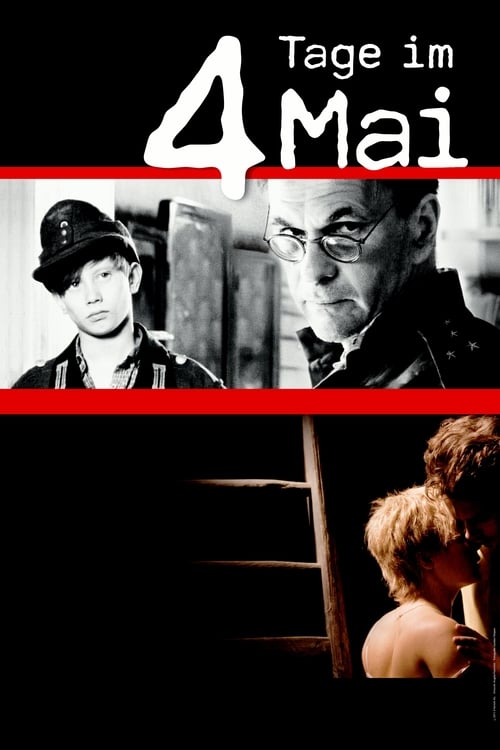
2011

1966
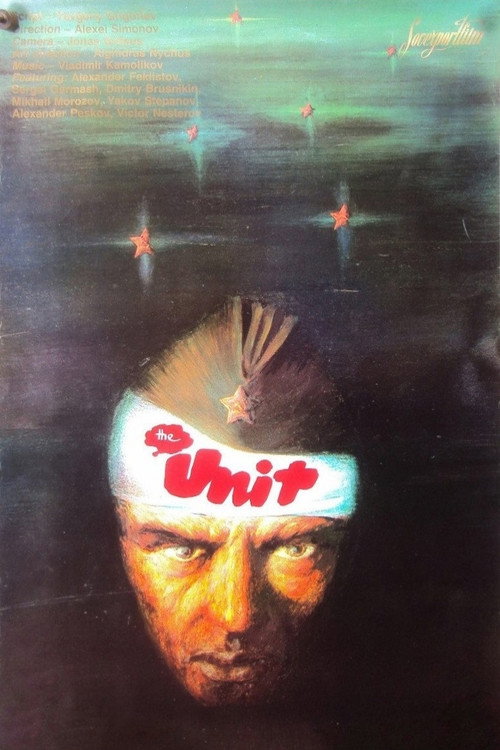
1984
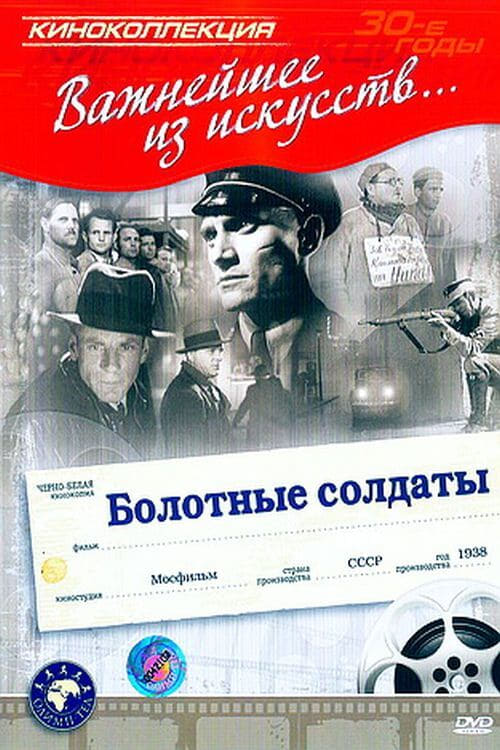
1938
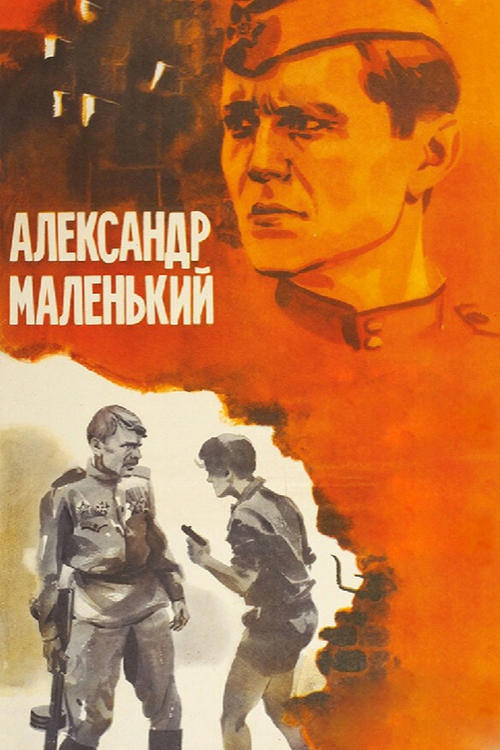
1981
1945
1943
No reviews yet. Be the first to share your thoughts on this movie!
Use the rating form above to leave a star rating and optional review.