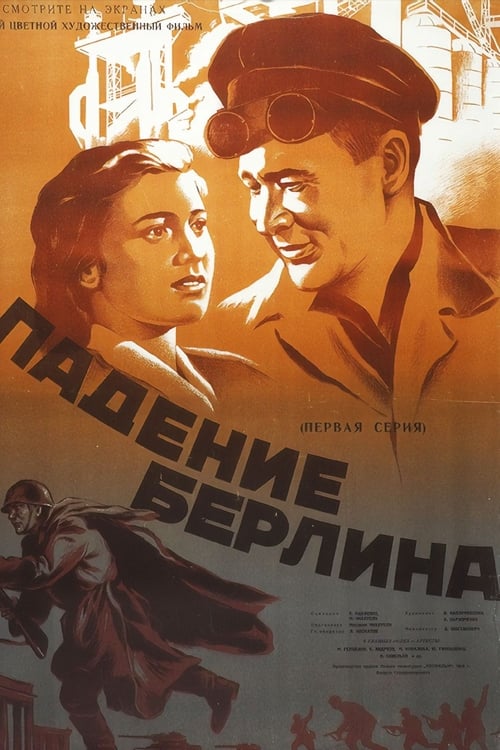
The Fall of Berlin
1950
No user ratings available yet
Representation score: 0.9 out of 10
Representation Score
Limited
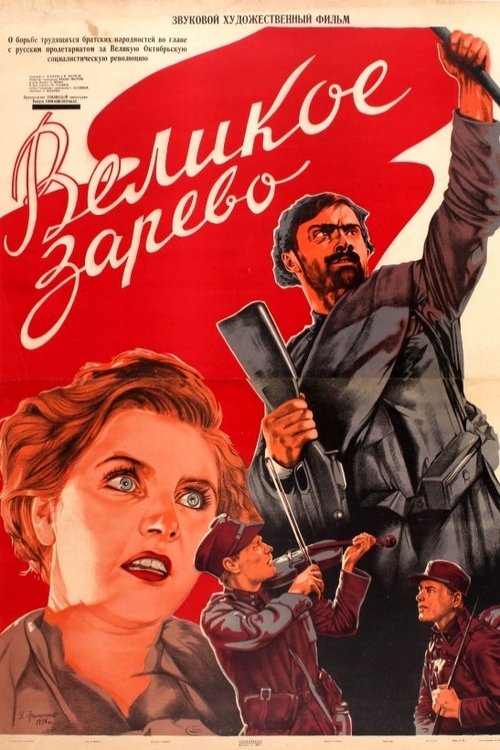
1938
Director
Mikheil Chiaureli
Runtime
73 minutes
Average Rating
No ratings yetNew Showbiz Analysis
The Great Dawn presents a historical reconstruction of the 1917 Russian Revolution, aiming to dismantle the legitimacy of the bourgeois government. It employs a classic 'oppressor vs. oppressed' framework to highlight the ability to act of the working class. While the film excels in cultural representation by promoting anti-capitalist and anti-imperialist ideals, it remains limited by its narrow demographic focus. The narrative is heavily centered on male revolutionary figures, leaving significant gaps in gender and identity representation. Ultimately, the film serves as a cinematic celebration of a new social order. It replaces old imperialist structures with a new, ideologically driven hierarchy that, while multi-ethnic in its class struggle, lacks broader social inclusivity.
Category Breakdown
The film does not include any representation of LGBTQ+ identities or same-sex relationships. The focus is on political and class struggles.
The story centers around male soldiers and political leaders, emphasizing a masculine hierarchy. It does not provide much opportunity for women to take leading roles.
The film showcases the diverse ethnic makeup of the Russian Empire's military. It highlights various delegates to illustrate a multi-ethnic coalition of the proletariat.
The film emphasizes the breaking down of old state institutions. It promotes a secular, revolutionary ideology over religious traditions, framing the revolution as a new social order.
There is no mention of characters with visible or invisible disabilities within the narrative.
Present on Screen
Limited or Absent
Official Synopsis
In 1917, the people of the Russian Empire are no longer willing to fight Germany, but the bourgeois government of Alexander Kerensky is unwilling to defy its imperialist allies and stop the war. Only Vladimir Lenin's Bolshevik Party is resolute in calling for peace. In the front, the soldiers of one battalion elect three delegates to travel to St. Petersburg with donations the troops collected for the Pravda newspaper: Gudushauri, Panasiuk and Ershov. The three arrive in the capital and describe the horrendous conditions in which the soldiers live to Joseph Stalin, Lenin's trusted aid and colleague. They join the Bolsheviks and take part in the storming of the Winter Palace, led by Stalin and Lenin. Stalin announces that the great dawn of revolution has broken.
1950
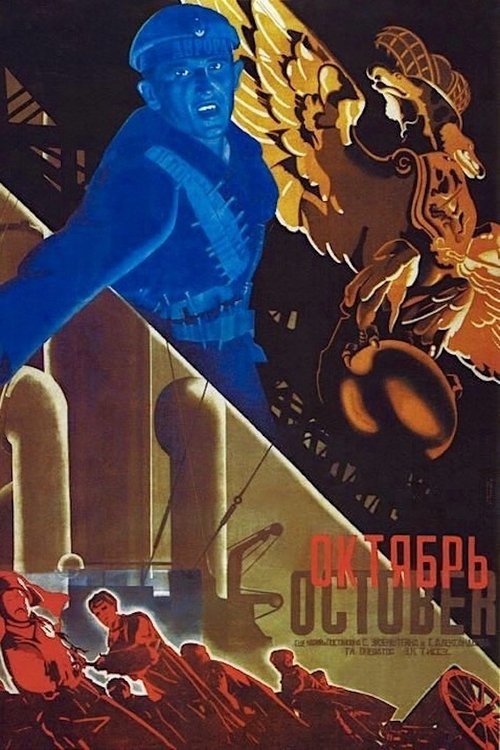
1928
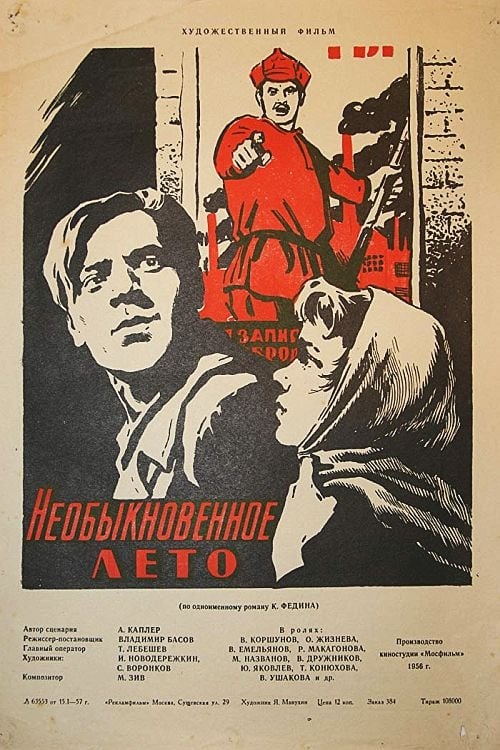
1957
1925
1972
1995
1933
1951
No reviews yet. Be the first to share your thoughts on this movie!
Use the rating form above to leave a star rating and optional review.