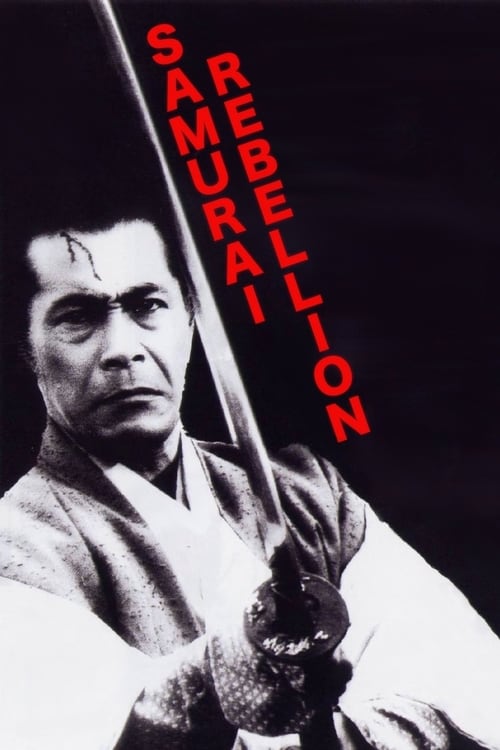
Samurai Rebellion
1967
No user ratings available yet
Representation score: 2.8 out of 10
Representation Score
Limited
1965
Director
Daisuke Itō
Runtime
143 minutes
Average Rating
No ratings yetNew Showbiz Analysis
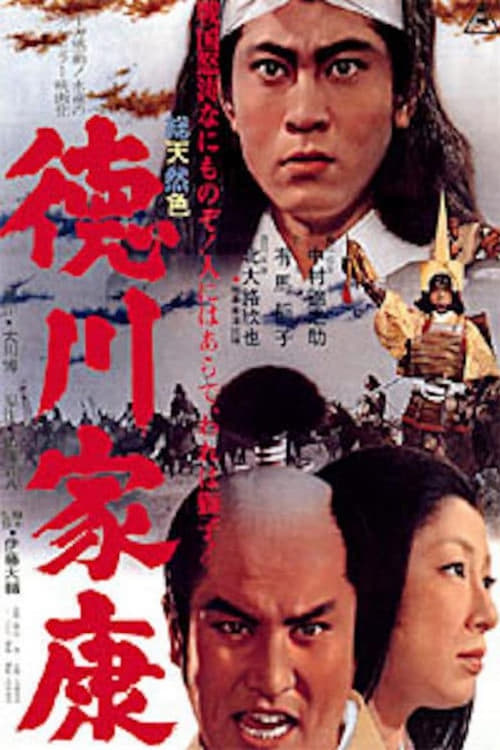
Lord Tokugawa Ieyasu is a traditional historical drama that prioritizes period authenticity over social subversion. The narrative centers on the survival of a clan and the personal costs of political maneuvering in feudal Japan. While the film touches on female endurance and the cruelty of systemic power, it lacks multi-layered complexity. It operates within the established frameworks of the era rather than deconstructing them. Ultimately, the film is a study of historical structures and the endurance of the family unit under extreme political duress.
Category Breakdown
The film does not include any characters with non-straight or non-cisgender identities. Instead, it focuses on the traditional clan lineage and the political dynamics of the Sengoku period.
The story highlights a mother's resilience in the face of political upheaval. However, it is unclear whether female characters have true ability to act or remain passive victims of feudal structures.
Set in 16th-century Japan, the film depicts a historically homogeneous environment. It adheres to the historical reality of the setting rather than using modern casting trends.
The film explores the tension between family stability and oppressive state requirements. It critiques the cruelty of political institutions through the lens of a child taken as a hostage.
There is no information available regarding the portrayal of physical or neurodivergent characters in this production.
Present on Screen
Limited or Absent
Official Synopsis
In turbulent 16th-century Japan, the leaders of a minor fief have their child taken from them as a political hostage. His mother and his clan endure years of tribulations until he can return.
1967
1954
1961
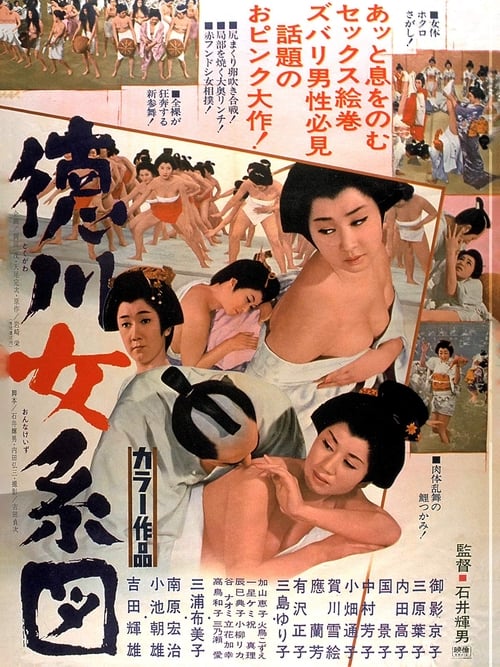
1968
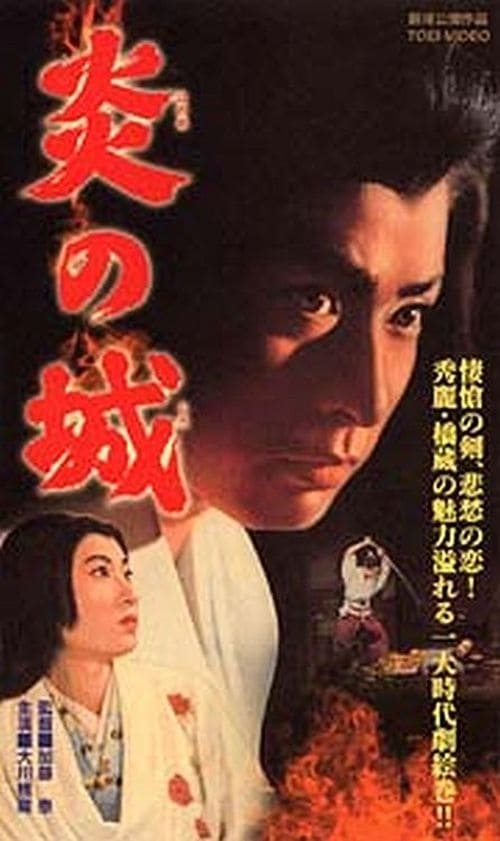
1960

1989
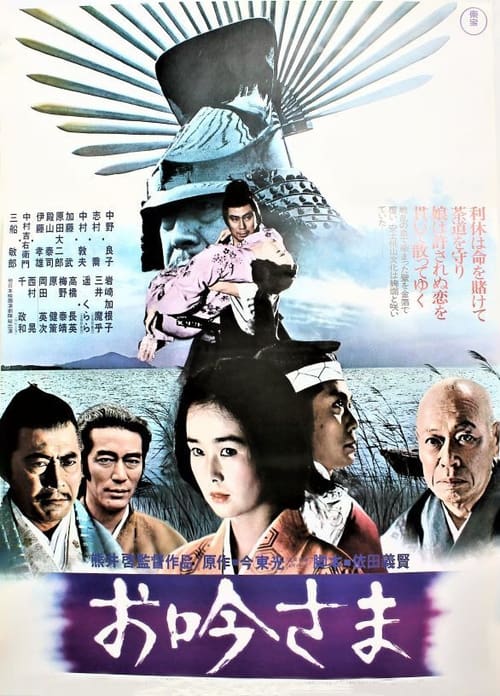
1978

1960
No reviews yet. Be the first to share your thoughts on this movie!
Use the rating form above to leave a star rating and optional review.