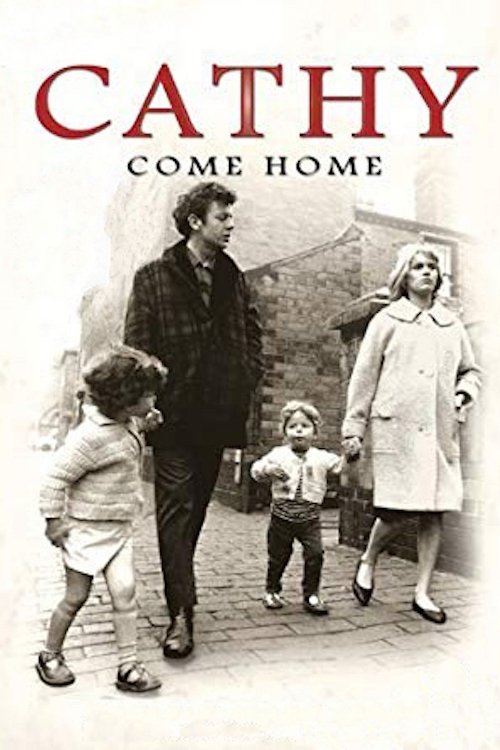
Cathy Come Home
1966
No user ratings available yet
Representation score: 6.7 out of 10

Representation Score
Fair
1965
Director
Ken Loach
Runtime
72 minutes
Average Rating
No ratings yetNew Showbiz Analysis
Up the Junction is a foundational social realist work that prioritizes socioeconomic authenticity over demographic breadth. It succeeds in centering the lived experiences and ability to act of three young women within a working-class framework, providing a nuanced look at how industrial pressures shape personal lives. However, the film is limited by its era's social parameters. The lack of racial and ethnic diversity and LGBTQ+ representation reflects the specific, homogeneous snapshot of 1960s Battersea rather than a modern multi-layered approach. Ultimately, the film's strength lies in its critique of capitalism. While it lacks diverse identities, it offers a deep, culturally significant exploration of how economic environments dictate human behavior and survival.
Category Breakdown
The film focuses exclusively on heterosexual relationships. There is no evidence of queer subtext or non-cisgender identities within the character arcs.
The narrative centers on the roles of three young women navigating a restrictive environment. It highlights the tension between personal autonomy and economic necessity.
The cast is predominantly homogeneous, reflecting the specific demographic of a 1965 South London enclave. It lacks diverse casting.
The film offers a sophisticated critique of mid-century capitalist structures. It portrays the nuclear family and upward mobility as being under siege by economic instability.
There are no prominent characters with visible or invisible disabilities. The physical toll of industrial labor is an implicit theme rather than a central driver.
Present on Screen
Limited or Absent
Official Synopsis
The lives and loves of three young working class women, set in the pubs, terraced houses and factories of Battersea, South London.
1966
1998
1980
1983
1973

1991
1972
1994
No reviews yet. Be the first to share your thoughts on this movie!
Use the rating form above to leave a star rating and optional review.