
Four Days in July
1984
No user ratings available yet
Diversity score: 5.8 out of 10
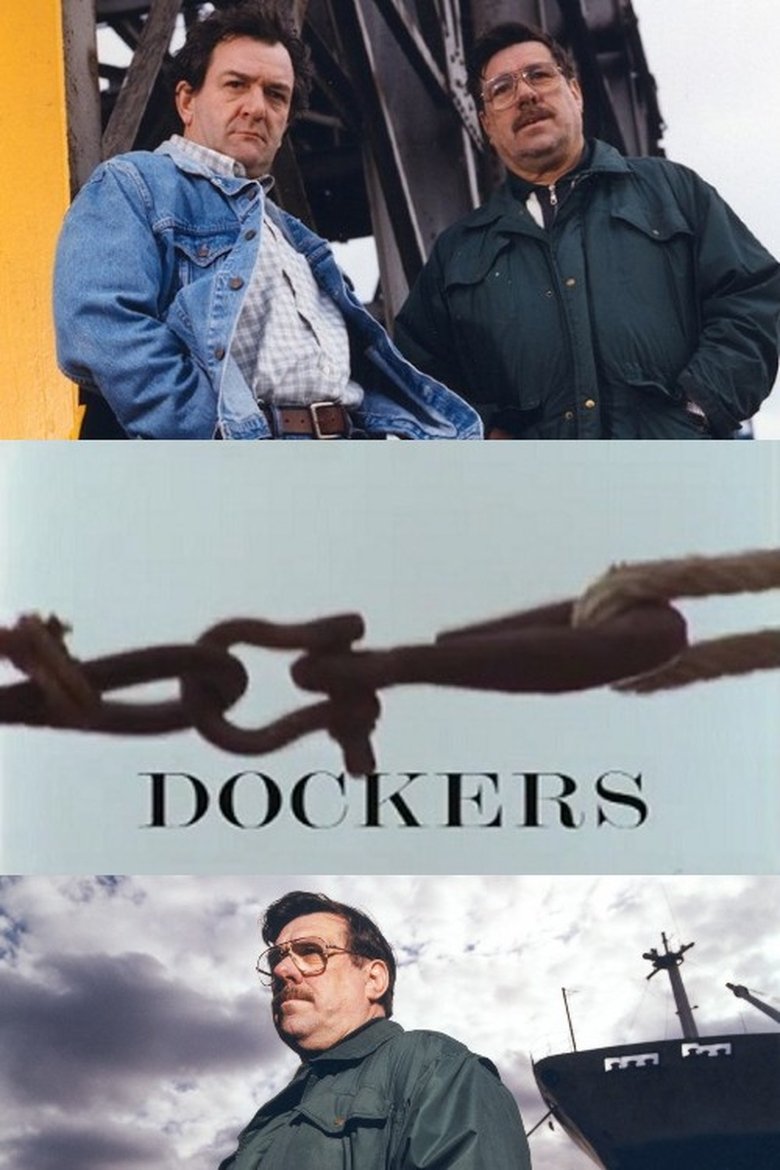
1999
Director
Bill Anderson
Runtime
90 minutes
Average Rating
No ratings yetSynopsis
Jimmy McGovern's depiction of the mid 90s Liverpool dockers strike. Featuring script contributions from Irvine Welsh and the real dockers themselves
Overall Score
Fair
Category Breakdown
LGBTQ+ Representation
The film focuses heavily on labor relations and class struggle. There is no explicit evidence of queer-centric plotlines or non-cisnormative identities within this period-specific industrial drama.
Gender Representation
Agency is primarily held by male laborers within the male-dominated dock environment. While the domestic fallout of the strike offers some nuance, the film largely reflects the era's industrial gender norms.
Racial & Ethnic Diversity
The narrative is a localized study of a specific British working-class community. The cast and setting appear largely homogeneous, reflecting the demographic realities of the Liverpool docks in the mid-90s.
Religious & Cultural Diversity
The film excels in its critique of Western economic and institutional structures. By centering on the strike, it frames capitalist institutions and state authority as antagonistic forces to the working class.
Disability Representation
There is no specific evidence regarding the portrayal of physical or neurodivergent disabilities in the available material.
Strengths
Areas for Improvement
AI Analysis
Dockers functions as a specialized piece of social realism that prioritizes class-based systemic friction over broad demographic representation. It achieves authenticity through script contributions from the dockers themselves and Irvine Welsh, lending a gritty voice to the struggle against capitalist structures. However, the film lacks intersectional breadth. The hyper-localized historical setting results in a homogeneous cast with minimal racial or LGBTQ+ visibility. The narrative architecture remains centered on the male-dominated industrial landscape of the 1990s. Ultimately, the work's value lies in its cultural critique rather than its diversity of identity. It disrupts conventional narratives by framing the tension between the individual and the state as its central thematic pillar.
1984

1994

1980

1965

1980
1998

2018

1973
2006

2001

2007
2004
No reviews yet. Be the first to share your thoughts on this movie!
Use the rating form above to leave a star rating and optional review.