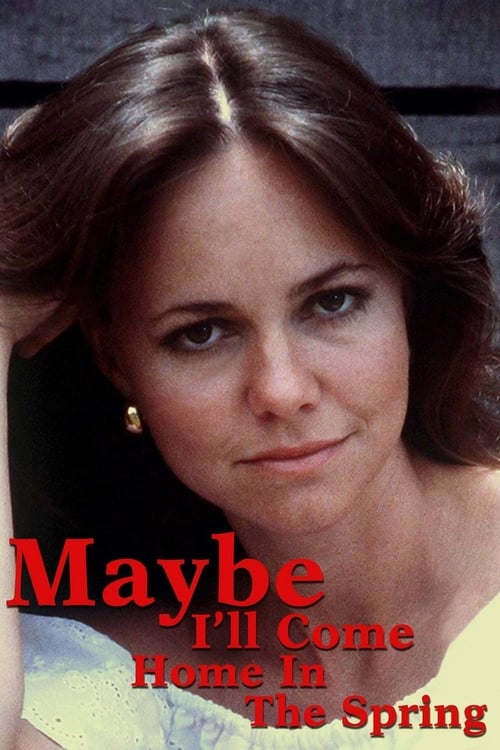
Maybe I'll Come Home in the Spring
1971
No user ratings available yet
Diversity score: 4.5 out of 10
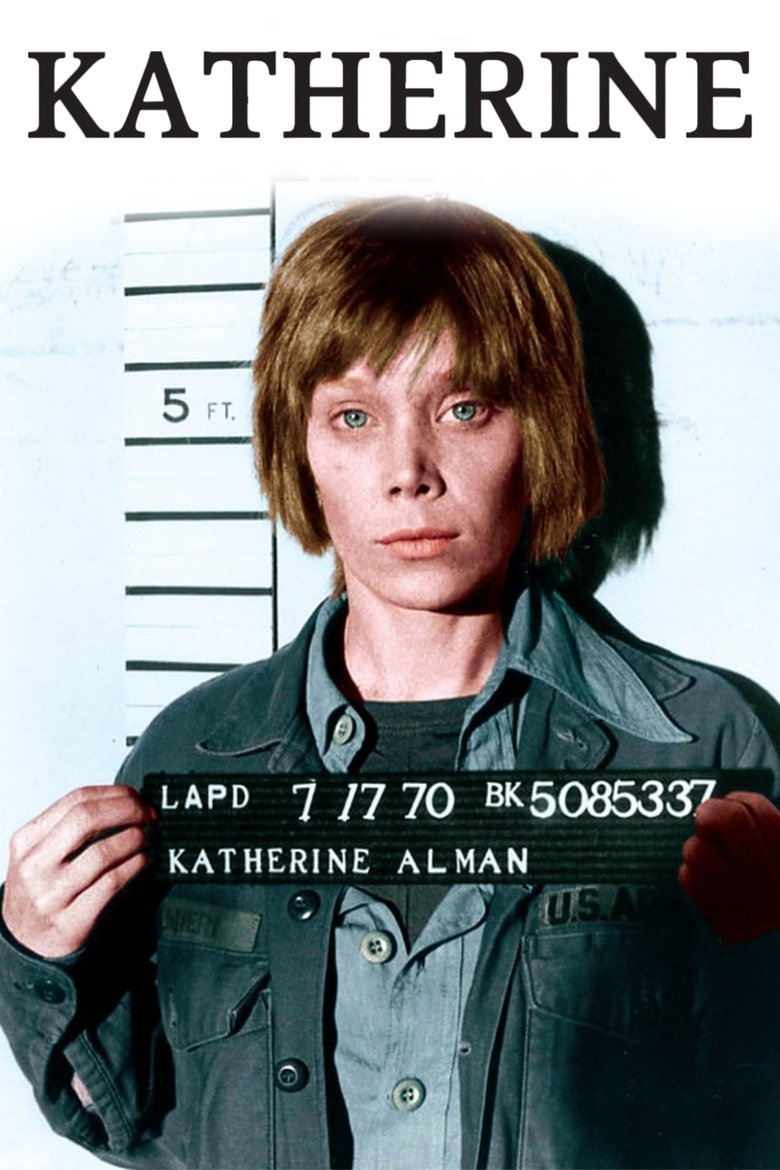
1975
TV-14Director
Jeremy Kagan
Runtime
97 minutes
Average Rating
No ratings yetSynopsis
A harrowing look at the 60s and early 70s through the eyes of Katherine Alman, a wealthy debutante who slowly, but inexorably spirals down into a fight for the causes that shook a nation, leading a path to the underground life. Written by Miguel Cane
Overall Score
Limited
Category Breakdown
LGBTQ+ Representation
The film offers no evidence of non-cisnormative identities. There are no narratives present that address or explore heteronormativity.
Gender Representation
The story centers on a female protagonist navigating intense societal shifts. Her transition from a debutante to an underground figure suggests an assertion of female agency.
Racial & Ethnic Diversity
The narrative focuses heavily on class dynamics rather than racial justice. There is no explicit evidence of a non-Anglo-Saxon majority or intersectional racial depth.
Religious & Cultural Diversity
The film critiques the stability of the capitalist upper class and traditional social hierarchies. It explores the disruption of established Western institutions and systemic upheaval.
Disability Representation
There is no information regarding neurodivergence or physical disability. The narrative does not address these aspects of identity.
Strengths
Areas for Improvement
AI Analysis
Katherine (1975) serves as a character study of social metamorphosis during the 1960s and 70s. It tracks a wealthy debutante's descent into radicalized counter-cultures, using her personal trajectory to critique established class structures. While the film succeeds in deconstructing traditional Western institutions and social hierarchies, it lacks broader intersectional depth. The focus remains narrow, prioritizing class-based disillusionment over diverse identity markers. Ultimately, the work functions as a period drama about ideological realignment. It provides a lens into systemic upheaval but misses opportunities to represent diverse racial, sexual, or physical identities.
1971
1965
1998

1973
1970
1966
1975
1992

1974

2004
1972
2006
No reviews yet. Be the first to share your thoughts on this movie!
Use the rating form above to leave a star rating and optional review.