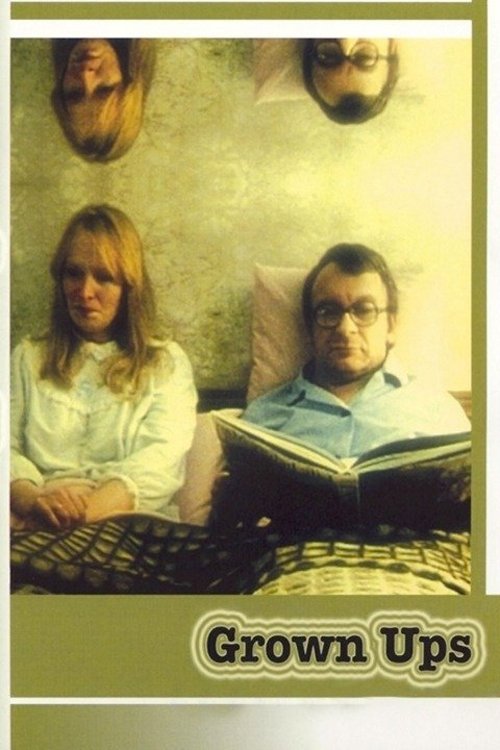
Grown-Ups
1980
No user ratings available yet
Representation score: 5.6 out of 10
Representation Score
Good
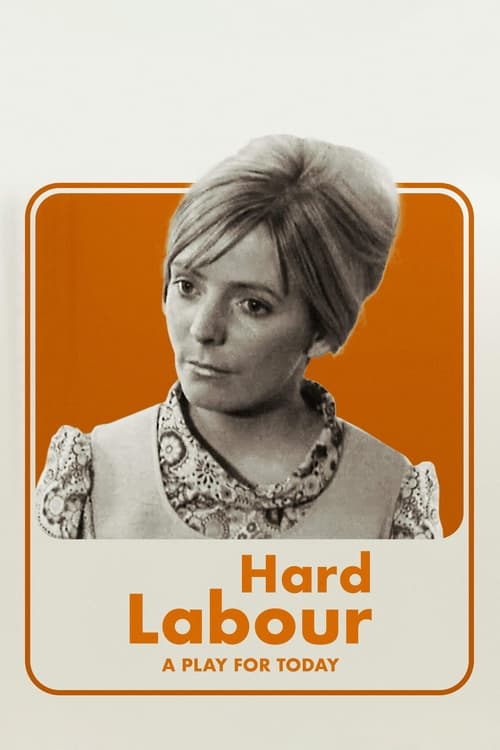
1973
Director
Mike Leigh
Runtime
71 minutes
Average Rating
No ratings yetNew Showbiz Analysis
Mike Leigh’s work serves as a powerful vehicle for social realism, focusing on the lived experiences of the working class. The film excels in its cultural critique, using the protagonist's domestic friction to deconstruct capitalist hierarchies and systemic economic oppression. However, the film remains limited by the demographic constraints of its era and genre, lacking explicit representation for LGBTQ+ identities and ethnic diversity.
Category Breakdown
The film focuses on labor and survival within a traditional social framework. It does not include any narratives or identities that challenge heteronormativity.
The film centers on a female protagonist who faces the psychological toll of domestic burdens. It challenges the cliché of the passive domestic figure by making her struggle the emotional core of the story.
Set in 1970s London, the cast is predominantly white and Anglo-Saxon. The film does not feature diverse ethnic ensembles or actors from different backgrounds.
The film provides a critical look at capitalist structures and economic oppression. It portrays the working class through a lens of systemic struggle and disillusionment.
The film shows the physical exhaustion and bodily strain caused by repetitive, arduous manual labor. It captures the invisible physical struggle without giving the characters much control over their situations.
Present on Screen
Limited or Absent
Official Synopsis
A quiet and put-upon house cleaner breaks her silence.
1980
1983
1975
1989
1965

1993
1972

1991
No reviews yet. Be the first to share your thoughts on this movie!
Use the rating form above to leave a star rating and optional review.