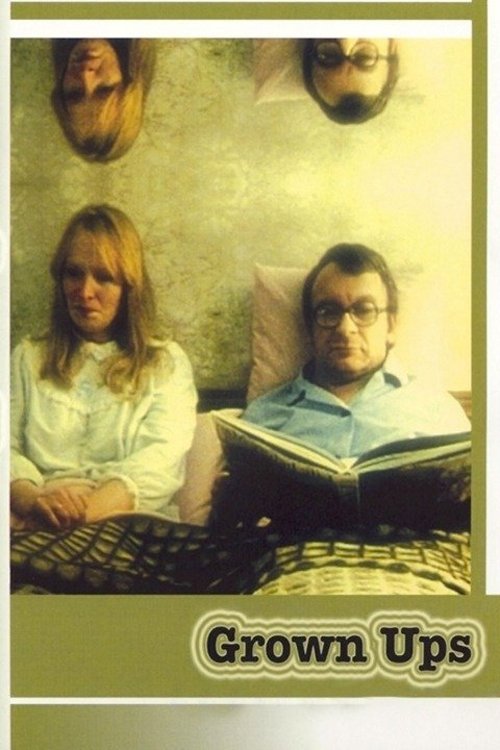
Grown-Ups
1980
No user ratings available yet
Representation score: 5.6 out of 10

Representation Score
Fair
1984
Director
Mike Leigh
Runtime
96 minutes
Average Rating
No ratings yetNew Showbiz Analysis
Mike Leigh’s work focuses on the lived experiences of working-class individuals and the systemic tensions that shape their lives. This film uses a micro-study approach to examine the deep-seated sectarian divisions in Northern Ireland. By centering the drama on two couples from opposing religious backgrounds, the film explores how institutionalized belief systems dictate social boundaries. It prioritizes the critique of traditional social hierarchies and the friction between established religious institutions. While the film offers a sophisticated look at identity politics and communal friction, it lacks specific representation for LGBTQ+ identities or disability. The narrative strength lies in its exploration of cultural and religious identity.
Category Breakdown
The film does not provide explicit evidence of characters with non-straight sexual orientations. The narrative primarily focuses on religious sectarianism rather than LGBTQ+ presence.
The story likely challenges traditional gender roles through its focus on two couples. It explores gendered dynamics within the high-stakes tension of Northern Irish life.
Identity is explored through the lens of Northern Irish sectarianism. The film examines how different groups are 'othered' based on heritage and communal ties.
The work critiques how organized religion and historical sectarianism act as oppressive forces. It centers on the divide created by religious differences.
There is no evidence of characters with visible or invisible disabilities within the narrative.
Present on Screen
Limited or Absent
Official Synopsis
Two couples, one Catholic, one Protestant, exist on two sides of the chasm that is everyday life in Northern Ireland.
1980

1989
1975
1989

2002
1983
1973

1997
No reviews yet. Be the first to share your thoughts on this movie!
Use the rating form above to leave a star rating and optional review.