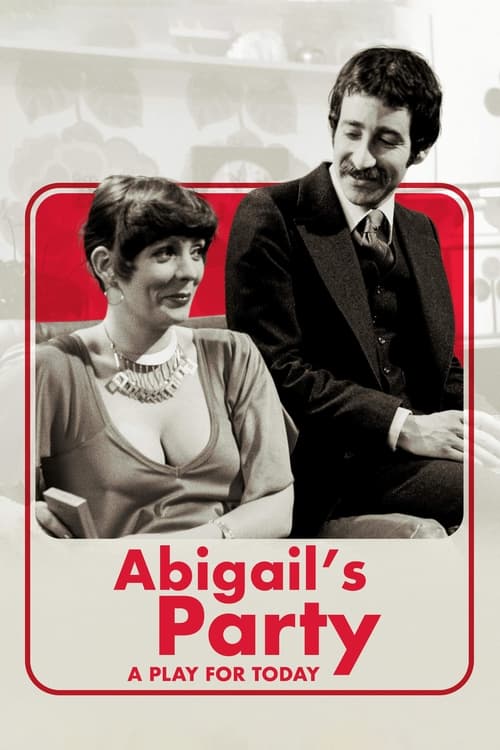
Abigail's Party
1977
No user ratings available yet
Representation score: 4.9 out of 10

Representation Score
Fair
1979
Director
Lindsay Anderson
Runtime
61 minutes
Average Rating
No ratings yetNew Showbiz Analysis
The Old Crowd serves primarily as a social critique of class and domesticity. It uses the breakdown of a middle-class household to deconstruct the perceived stability of traditional social hierarchies. While the film lacks overt representation regarding race and LGBTQ+ identities, it finds strength in its narrative structure. It challenges the sanctity of the domestic institution and the competence of the establishment. Ultimately, the film prioritizes the subversion of social roles over multi-layered identity politics, making it a study of class rather than a diverse ensemble piece.
Category Breakdown
The film focuses on a heterosexual couple from a middle-class background. There are no explicit representations of LGBTQ+ identities or non-binary gender roles within the main storyline.
The story explores gender roles through a domestic partnership facing systemic challenges. It likely disrupts traditional masculine competence by showing the couple's struggle against environmental and logistical chaos.
The narrative centers on a specific domestic struggle within a traditional English social setting. It lacks evidence of a diverse cast, reflecting a homogeneous demographic typical of the time period.
The film critiques Western middle-class institutions by using domestic dysfunction as a metaphor. It prioritizes situational chaos over the promotion of stable, traditional family ideals.
There is no mention of characters with visible or invisible disabilities in the narrative.
Present on Screen
Limited or Absent
Official Synopsis
George and Betty, a middle-class English couple, have just moved into a big Edwardian house in London and are throwing a party to celebrate. Unfortunately, after ten days none of their furniture has arrived, having been sent to Carlisle by mistake, three of the four toilets don't work and cracks are starting to appear in the ceiling. However, nothing can dent their determination to have a good time.
1977
1989

1992
1983
1989
1958
1987

1968
No reviews yet. Be the first to share your thoughts on this movie!
Use the rating form above to leave a star rating and optional review.