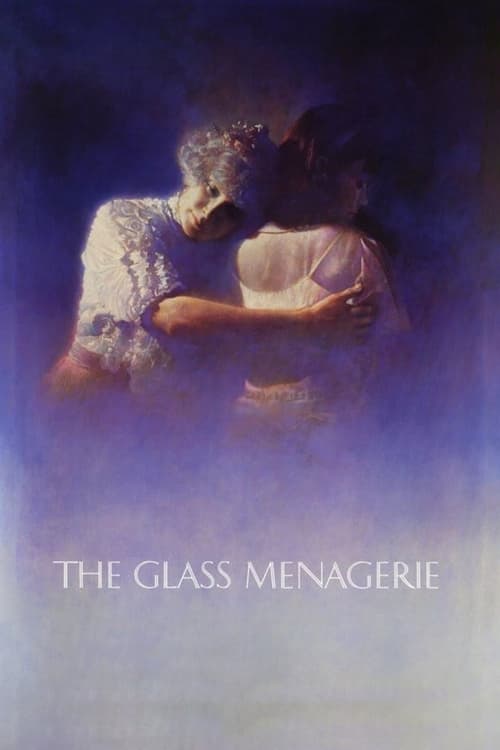
The Glass Menagerie
1987
No user ratings available yet
Representation score: 5.0 out of 10
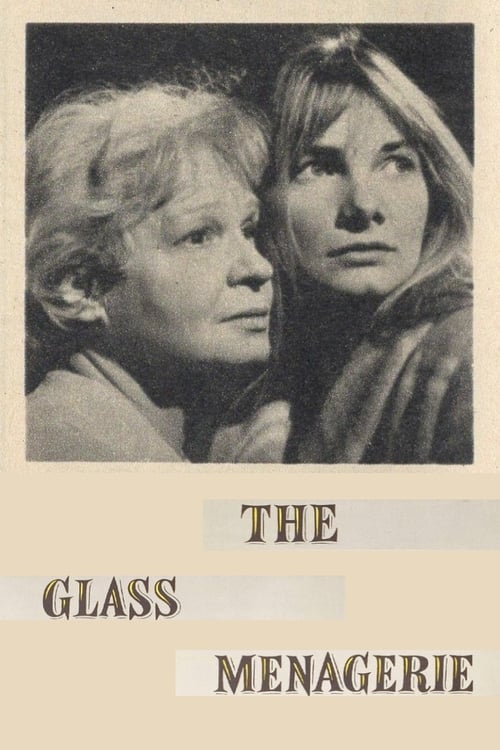
Representation Score
Fair
1966
Director
Michael Elliott
Runtime
104 minutes
Average Rating
No ratings yetNew Showbiz Analysis
The film explores the breakdown of the nuclear family through a psychological lens, emphasizing individual complexity over societal structures. It successfully challenges traditional gender roles and provides a critical view of economic and moral issues. However, the film lacks depth in representing multiple aspects of identity. Its homogeneous cast and lack of LGBTQ+ or diverse representation reflect the limitations of its time. Overall, the film excels in its realistic portrayal of characters and their inner worlds, rather than in broad demographic representation.
Category Breakdown
The film focuses on Amanda's pursuit of finding a husband for Laura, without showing any queer intimacy or non-straight relationships. There is no depiction of LGBTQ+ identities.
Amanda Wingfield challenges traditional gender roles by being the main force behind the family's actions. The story also presents Tom as an unstable figure, breaking the typical image of a steady male leader.
The cast is made up of mostly white actors, reflecting the historical context of the Great Depression-era American South. There is no diverse ethnic representation.
The film critiques the American Dream and capitalist stability during the Great Depression. It questions the idea of duty by showing familial abandonment as a necessary tragedy.
Laura's physical weakness and social anxiety are central to the film's emotional core. Despite the risk of portraying her as fragile, Laura maintains control through her psychological coping mechanisms.
Present on Screen
Limited or Absent
Official Synopsis
An aging Southern Belle complicates life for her ambitious son and crippled daughter because of her own warped views of what life should be.
1987

1989

1950

1984

2001
1976

1982

1973
No reviews yet. Be the first to share your thoughts on this movie!
Use the rating form above to leave a star rating and optional review.