God Bless the Child
1988
No user ratings available yet
Representation score: 4.6 out of 10
Representation Score
Good
1985
Not RatedDirector
George Schaefer
Runtime
100 minutes
Average Rating
No ratings yetNew Showbiz Analysis
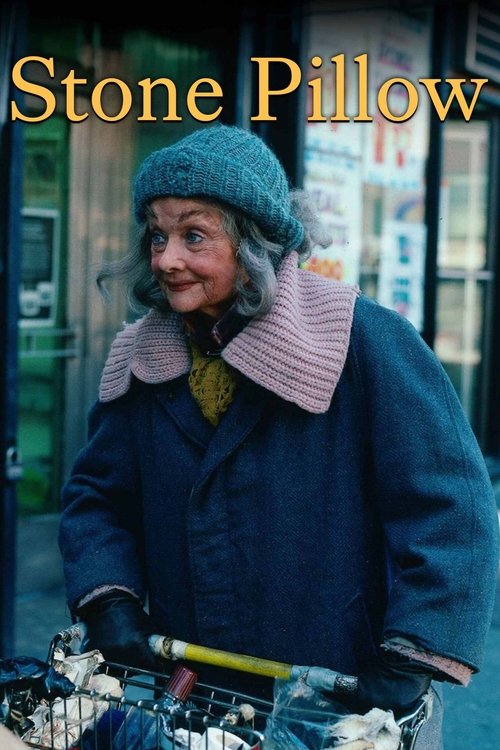
Stone Pillow functions as a mid-80s social drama that uses a pedagogical reversal cliché. By positioning a underrepresented woman as a guide to a professional social worker, the film disrupts the traditional 'savior' archetype. This shift critiques the efficacy of institutional structures in addressing systemic poverty. The film succeeds in centering female-driven psychological development and intellectual growth. It moves beyond simple melodrama to explore the nuanced lived experiences of those on the margins of society. However, the work lacks explicit markers of characters who reflect more than one aspect of diversity. While it addresses class and gender, it does not provide clear evidence of LGBTQ+ representation or specific racial characterizations within the narrative.
Category Breakdown
The film does not explicitly depict LGBTQ+ identities or character arcs. The story focuses on class divides and the relationship between a social worker and a homeless individual.
The story centers on women's ability to drive the narrative and deconstruct professional roles. It emphasizes the psychological development of the two central women, challenging traditional hierarchies of competence.
While the film's New York City setting suggests a diverse environment, the specific racial identities of the main characters are not explicitly detailed.
The film offers a strong social critique by portraying the disenfranchised as teachers rather than subjects. This challenges the effectiveness of Western institutional frameworks and structured morality.
The narrative highlights the specialized knowledge of survival mechanisms among the unhoused. It portrays their resilience and ability to act rather than depicting them as passive victims.
Present on Screen
Limited or Absent
Official Synopsis
A homeless woman named Florabelle becomes the unwitting guide to the streets for a New York social worker named Carrie who thinks she has lessons to offer the down-and-out clients she serves at the homeless shelter. Soon, however, Carrie realizes that she's the one who has much to learn.
1988

2014

2008
1994

1989

1993
1966

2006
No reviews yet. Be the first to share your thoughts on this movie!
Use the rating form above to leave a star rating and optional review.