
Slander
1957
No user ratings available yet
Representation score: 1.1 out of 10
Representation Score
Limited
1950
ApprovedDirector
Akira Kurosawa
Runtime
104 minutes
Average Rating
No ratings yetNew Showbiz Analysis
Kurosawa’s drama is a sophisticated critique of media sensationalism rather than a study in demographic diversity. It prioritizes the examination of systemic corruption and the erosion of objective truth over modern characters who reflect more than one aspect of diversity. The film operates within the social constraints of its era, resulting in a traditional cast and structure that assumes everyone is straight or cisgender. However, it finds progressive value in its skepticism of institutional authority and how power manipulates individual identity. While the film scores low on contemporary diversity metrics, its thematic depth lies in portraying the media as a destabilizing force that challenges the sanctity of the social order.
Category Breakdown
The film follows a traditional structure that assumes everyone is straight or cisgender. There are no stories involving LGBTQ+ individuals or non-cisgender identities.
A female singer plays a significant role in the story but her journey is heavily influenced by male-dominated legal and media institutions. The power dynamics favor established patriarchal structures.
The cast is culturally uniform, reflecting the Japanese production context. It emphasizes cultural authenticity over diverse racial representation to explore universal themes.
The narrative offers a nuanced look at how the tabloid press shapes truth. It effectively critiques institutional integrity and the corruption of information.
There are no characters with visible or invisible disabilities that play a central role in the narrative or serve as key thematic elements.
Present on Screen
Limited or Absent
Official Synopsis
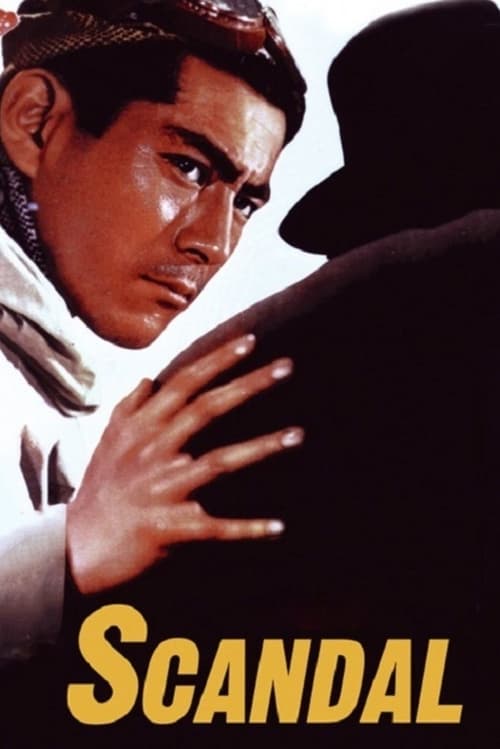
A celebrity photograph sparks a court case as a tabloid magazine spins a scandalous yarn over a painter and a famous singer.
1957

1957
1959
1951

1951
1952

1966
1950
No reviews yet. Be the first to share your thoughts on this movie!
Use the rating form above to leave a star rating and optional review.