Gunfighters
1947
No user ratings available yet
Representation score: 0.8 out of 10
Representation Score
Minimal
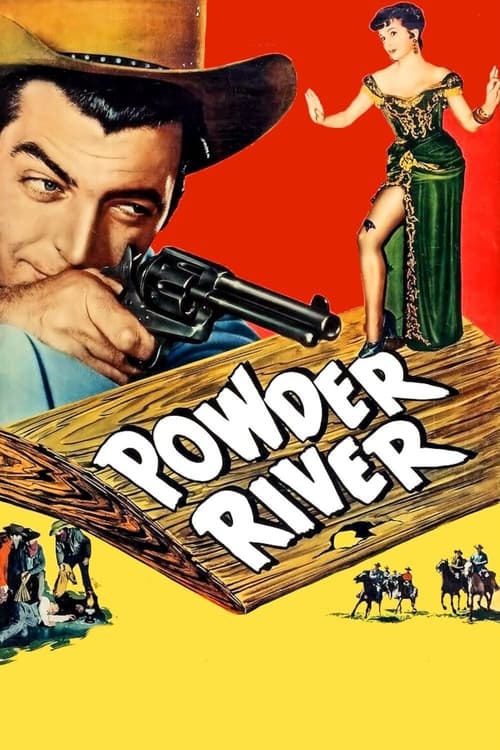
1953
NRDirector
Louis King
Runtime
78 minutes
Average Rating
No ratings yetNew Showbiz Analysis
Powder River is a typical 1950s Western that upholds the social structures of its time. The narrative focuses on reinforcing traditional gender roles and racial homogeneity. The film adheres closely to the cultural norms of its era, lacking any intention to challenge genre clichés. It presents a narrow racial perspective centered around Anglo-Saxon lawmen and settlers. Ultimately, the production aligns with the industry standards of the mid-20th century, emphasizing traditional morality and the stability of frontier institutions.
Category Breakdown
The film does not include any non-straight or non-cisgender identities. There are no same-sex relationships or dynamics.
Male characters like Chino Bull and Mitch Hardin have significant roles in driving the story. Female characters such as Frenchie play supporting roles and mainly influence male characters' development.
The cast is predominantly white, reflecting the era's demographics. The frontier is portrayed as a place dominated by Anglo-Saxon settlers and lawmen.
The story emphasizes traditional Western values and the importance of maintaining social order through established authority figures.
There are no characters with visible or invisible disabilities. The narrative does not address neurodivergence or chronic illness.
Present on Screen
Limited or Absent
Official Synopsis
Ex-marshal Chino Bull has hung up his guns until his prospecting partner is shot dead. Chino then takes over as the law in town, forming a friendship with gun-man Mitch Hardin and making enemies of the Logan brothers. When Hardin' girl from the east arrives, he makes her pretty unwelcome - as does his new flame, saloon owner Frenchie.
1947

1959
1956

1957
1964
1958

1948
1966
No reviews yet. Be the first to share your thoughts on this movie!
Use the rating form above to leave a star rating and optional review.