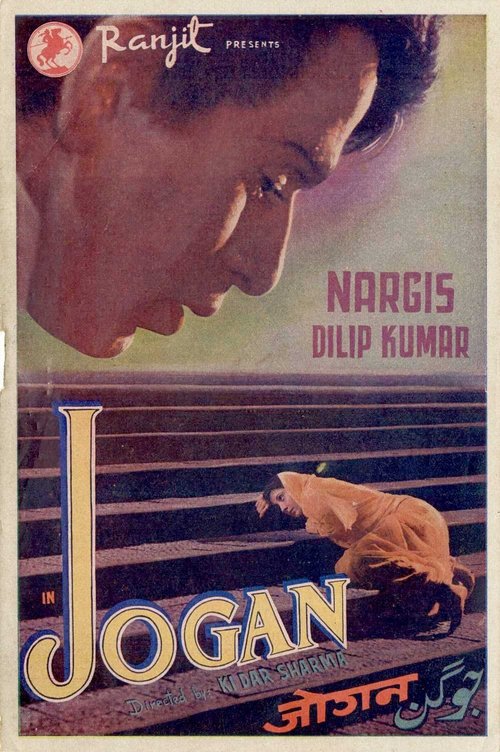
Jogan
1950
No user ratings available yet
Representation score: 4.3 out of 10
Representation Score
Limited
1952
Director
Shantaram Rajaram Vankudre
Runtime
125 minutes
Average Rating
No ratings yetNew Showbiz Analysis
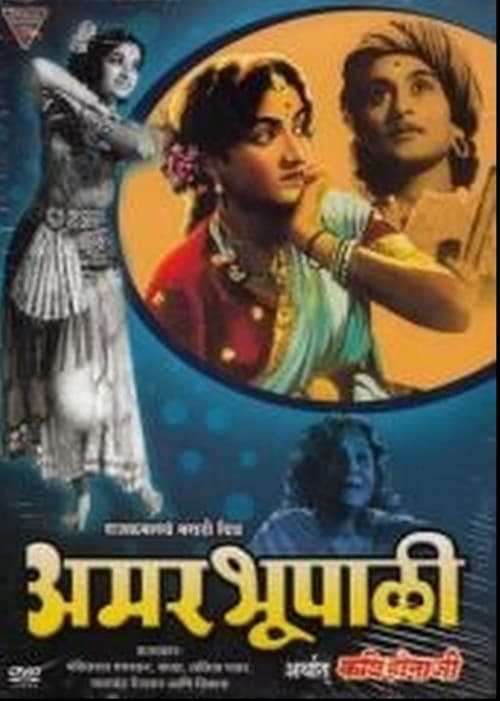
Amar Bhoopali is a significant cinematic effort to elevate indigenous folk traditions, specifically the Lavani dance and regional music. By centering the biography of Honaji Bala, the film preserves the cultural nuances of the Maharashtra region and avoids the Eurocentric standards common in mid-20th-century media. However, the film remains a product of its time, reflecting the social constraints of 1952. It does not attempt to challenge traditional gender hierarchies or explore non-traditional gender identities, focusing instead on established patriarchal and familial structures. Ultimately, the film's strength lies in its cultural preservation and its departure from urban-centric narratives, even if it lacks modern characters who reflect more than one aspect of diversity.
Category Breakdown
The film focuses on the pastoral life and biography of poet Honaji Bala. It adheres to the traditional romantic and familial structures of 1952, with no depiction of non-straight relationships or gender diversity.
The narrative centers on a male creative figure within mid-century rural hierarchies. While feminine expression is central to the folk music and dance, characters largely operate within traditional gender roles.
The film celebrates indigenous identity by prioritizing local aesthetics and regional dialects. It avoids Western-influenced whitewashing, focusing instead on the specific cultural nuances of the Maharashtra region.
A poetic realism highlights village life and local spirituality over institutional dogma. The film serves as a subtle celebration of folk wisdom and the sanctity of the land.
There are no prominent characters defined by visible or invisible disabilities. The story remains centered on the protagonist's lyrical connection to the natural environment.
Present on Screen
Limited or Absent
Official Synopsis
Veteran director V. Shantaram spins this bio-pic about poet and musician Honaji Bala, best know for popularizing the Lavani dance form and for writing the classic raga Ghanashyam Sundara Shirdhara.
1950

1983
2006
1961
1939
1980
2007
2004
No reviews yet. Be the first to share your thoughts on this movie!
Use the rating form above to leave a star rating and optional review.