
Dil Ne Jise Apna Kahaa
2004
No user ratings available yet
Diversity score: 2.9 out of 10
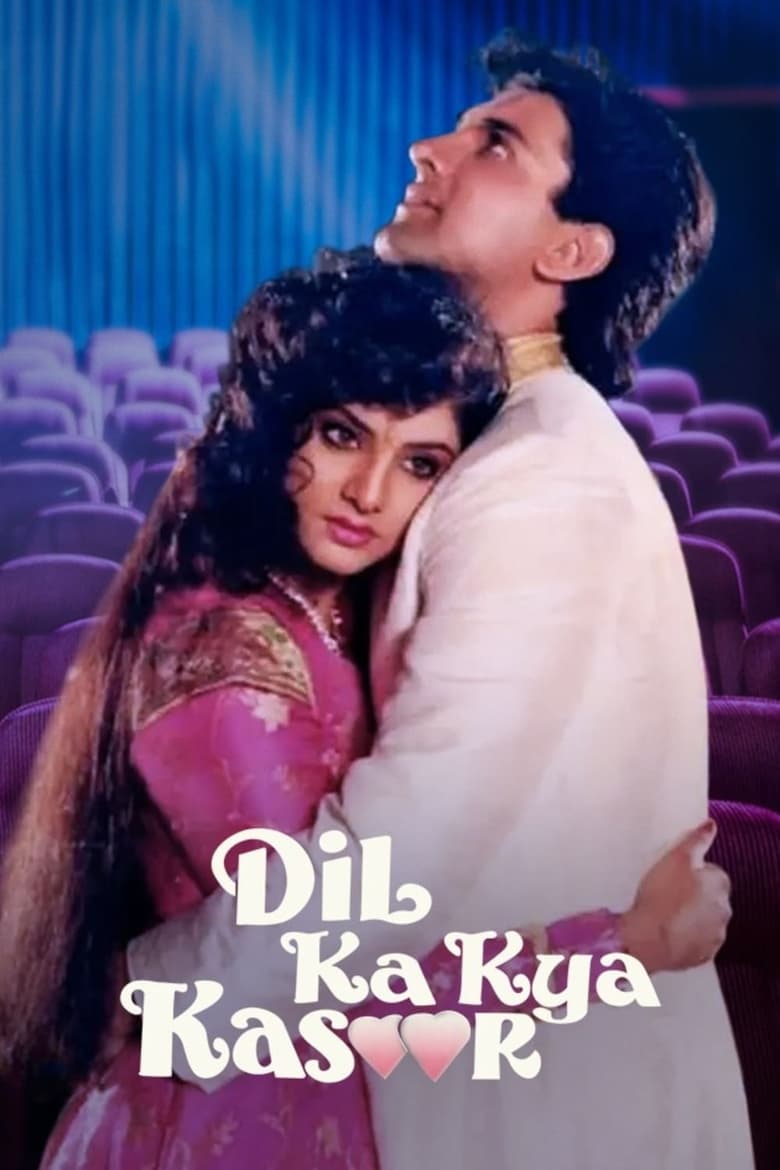
1992
Director
Lawrence D'Souza
Runtime
157 minutes
Average Rating
No ratings yetSynopsis
Shalini Saxena lives a wealthy life-style with her brother Rajesh. She attends college and writes a few poems under the name Seema as part time activity, she meets her fellow collegian an orphan called Arun Kumar who sings for important occasions usually following the words of her poem. Shalini loves Arun wholeheartedly but is unable to express her feelings to him and thus she secretly helps Arun to not only become a popular singer but also rich. And then Arun gets married to the college principal daughter Meena; this breaks Shalini's heart and to make matters worse she is diagnosed with throat cancer and does not have any longer to live.
Overall Score
Limited
Category Breakdown
LGBTQ+ Representation
The film follows a conventional heteronormative romantic triangle. It lacks any depiction of non-cisnormative gender identities or same-sex intimacy.
Gender Representation
Shalini shows emotional agency through her self-sacrifice for Arun. However, her strength is defined by tragic martyrdom and facilitating male success within patriarchal structures.
Racial & Ethnic Diversity
The cast is predominantly South Asian, reflecting its specific regional context. It does not attempt to blend diverse ethnic identities or disrupt established social norms.
Religious & Cultural Diversity
The story adheres to traditional moral frameworks and romantic ideals. It reinforces standard social structures without challenging institutions or exploring moral relativism.
Disability Representation
Throat cancer is used as a tragic plot device to heighten emotional stakes. The portrayal leans toward the 'tragic victim' trope rather than exploring life with illness.
Strengths
Areas for Improvement
AI Analysis
Dil Ka Kya Kasoor is a quintessential 1990s melodrama that prioritizes emotional archetypes over social progress. The narrative relies heavily on established genre conventions, focusing on unrequited love and tragic sacrifice rather than subverting systemic hierarchies. While the film provides culturally specific South Asian representation, it functions primarily to reinforce the status quo. The characters operate within traditional gender roles and moral frameworks common to the era's romantic cinema. Ultimately, the film lacks intentionality regarding diversity. It uses personal struggles, such as terminal illness, as narrative tools for pathos rather than as opportunities for nuanced representation of disability or identity.
2004
1983
2002
2000
1998
2001

2002

2005
2000
2007
2006

2004
No reviews yet. Be the first to share your thoughts on this movie!
Use the rating form above to leave a star rating and optional review.