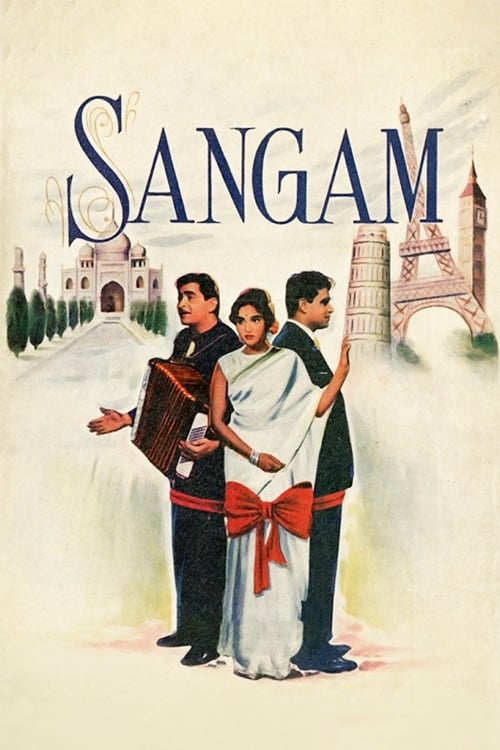
Sangam
1964
No user ratings available yet
Representation score: 1.3 out of 10
Representation Score
Fair
1961
Director
Amarjeet, Vijay Anand
Runtime
164 minutes
Average Rating
No ratings yetNew Showbiz Analysis
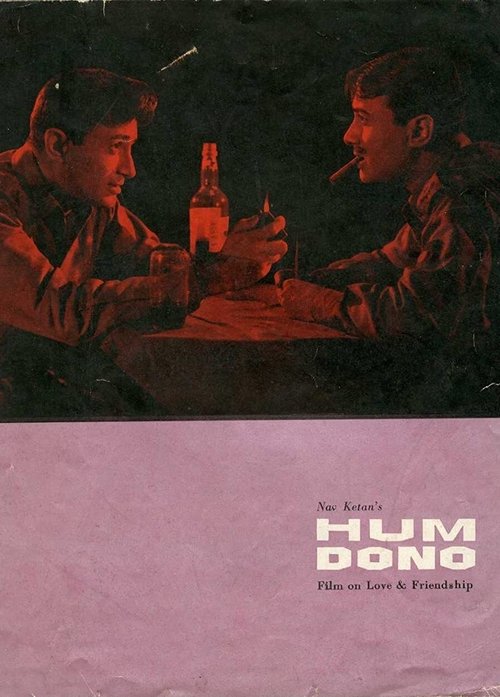
Hum Dono is a classic example of its time, emphasizing duality and coincidence while maintaining traditional social norms. It serves as a traditional drama that upholds the social and gender norms of 1960s India. The film succeeds in presenting a genuine Indian identity and social context. However, it falls short in challenging established power structures or offering diverse representation. Overall, the work emphasizes conventional values and romantic narratives over addressing underrepresented identities or subverting traditional social constructs.
Category Breakdown
The film follows the traditional heterosexual norms of 1960s Indian cinema. Romantic storylines center around male-female relationships, with no indication of non-traditional gender identities or same-sex relationships.
Female characters play key roles in the emotional storyline, but their influence is primarily shaped by their relationships with male characters. The film upholds traditional romantic narratives rather than challenging male dominance.
The cast showcases a culturally unified Indian identity without leaning towards Western casting norms. It offers a detailed look at the social structures and economic conditions within India.
The story unfolds within a framework of traditional values and social harmony. It delves into themes of fate and family stability without questioning societal institutions.
Characters with disabilities are not central to the main storylines. Health-related plot points are driven by some characters, but those with disabilities have limited influence on the narrative.
Present on Screen
Limited or Absent
Official Synopsis
An Indian army captain must break bad news to a sick woman.
1964
1989
1975
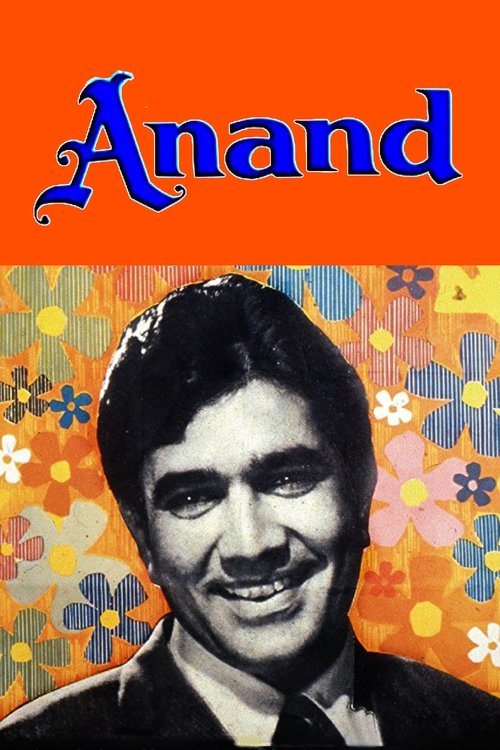
1971
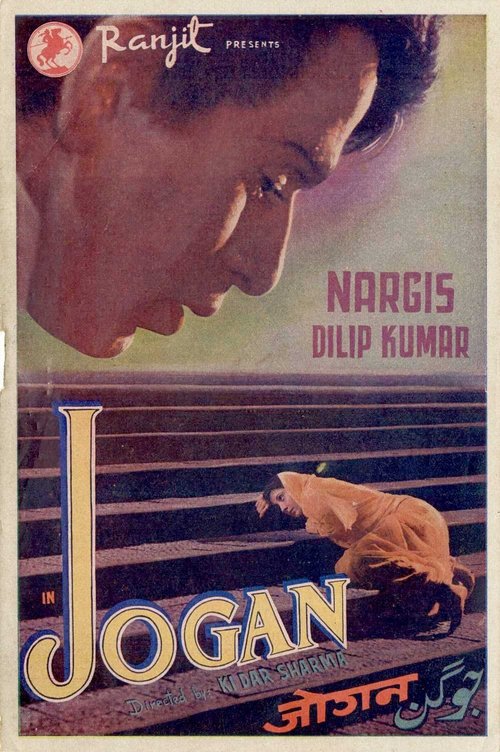
1950
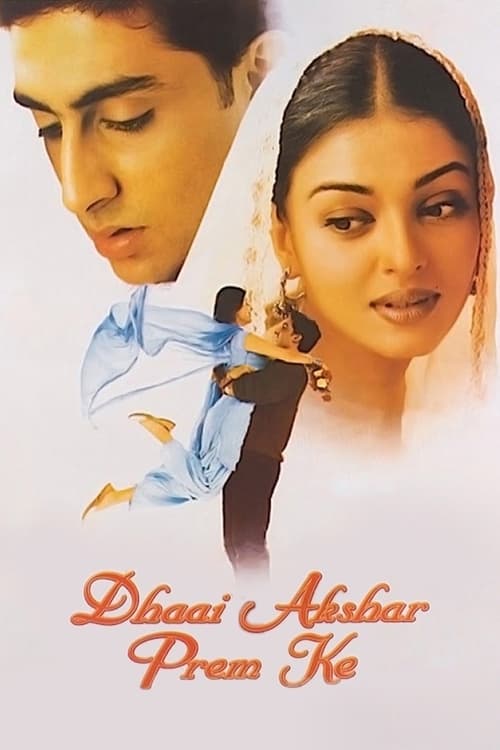
2000
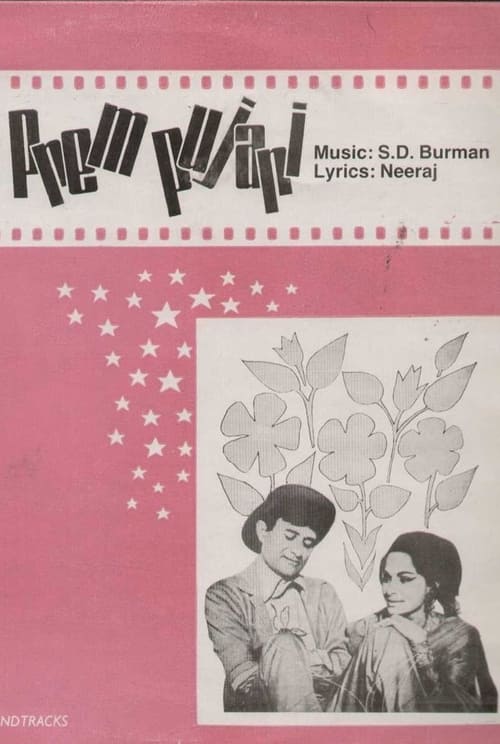
1970
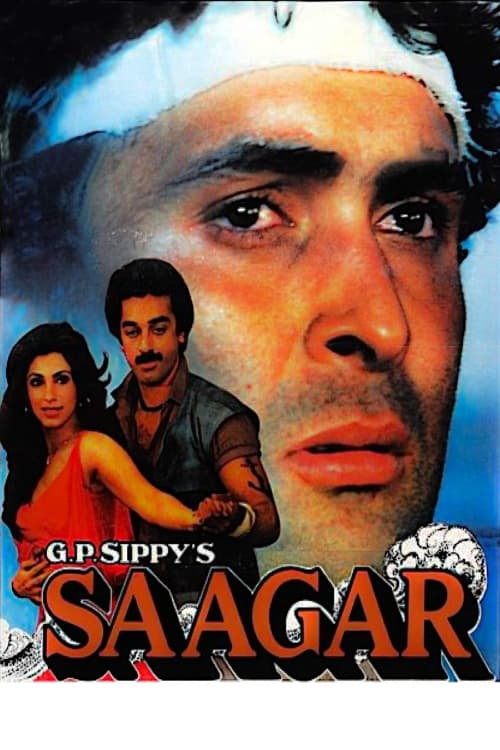
1985
No reviews yet. Be the first to share your thoughts on this movie!
Use the rating form above to leave a star rating and optional review.