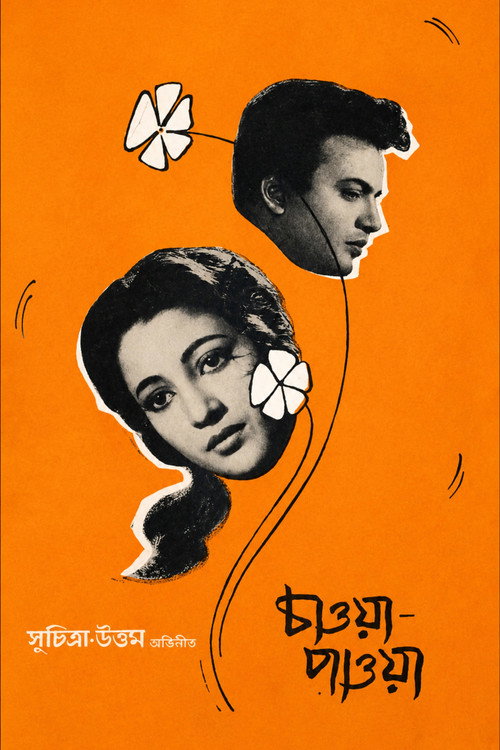
Chaowa Pawa
1959
No user ratings available yet
Representation score: 1.9 out of 10
Representation Score
Limited
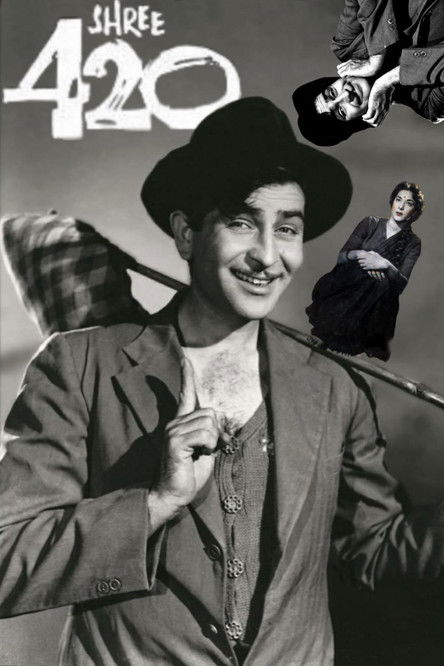
1955
Director
Raj Kapoor
Runtime
168 minutes
Average Rating
No ratings yetNew Showbiz Analysis
Shree 420 is a powerful social commentary that uses personal struggles to critique systemic corruption. Its strength lies in its ability to highlight the tension between agrarian ethics and the predatory nature of urban modernity. While the film lacks modern diverse representation, particularly regarding LGBTQ+ and racial diversity, it excels in its cultural critique. It challenges the perceived superiority of capitalist structures by emphasizing the moral decay they often cause. The narrative succeeds by placing the human condition at the center of shifting political and economic landscapes, making it a significant work of post-colonial social observation.
Category Breakdown
The film follows traditional mid-century norms, focusing solely on heterosexual relationships. There are no representations of non-binary gender identities or same-sex relationships.
Vidya plays a crucial role as a moral guide, showing strong intellectual and ethical judgment that often exceeds the male protagonist's actions. However, the film upholds the gender conventions of the 1950s, maintaining traditional gender roles.
The cast predominantly reflects a specific North Indian demographic. The story centers on regional identities and the transition from rural to urban settings.
The film offers a critical look at urban capitalism and materialism, contrasting traditional values with the corrupting influence of modern, Westernized city life.
There are no prominent depictions of physical or neurodivergent disabilities used as central character traits or plot devices.
Present on Screen
Limited or Absent
Official Synopsis
The story of a small-town man who comes to make it big in the city, where he is almost instantly relieved of all his possessions. Homeless and penniless, he is taken in by a woman who looks after him.
1959

1959
2009
1955
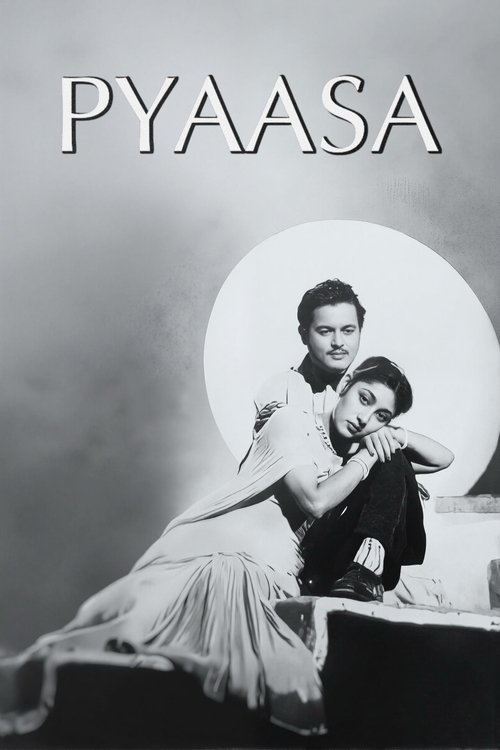
1957
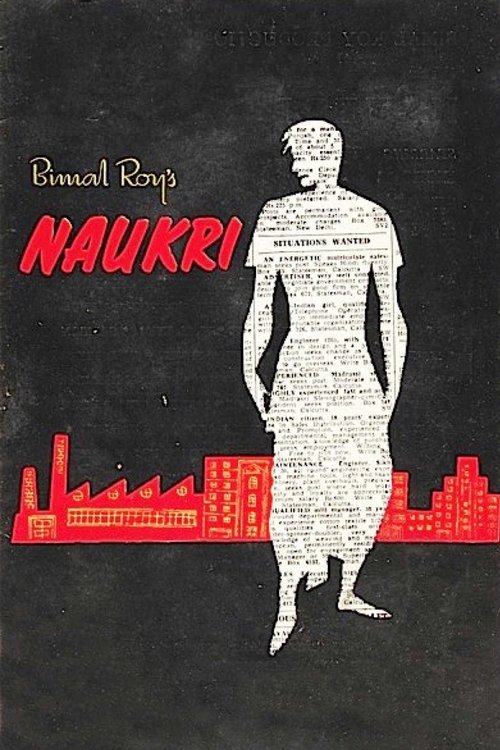
1954
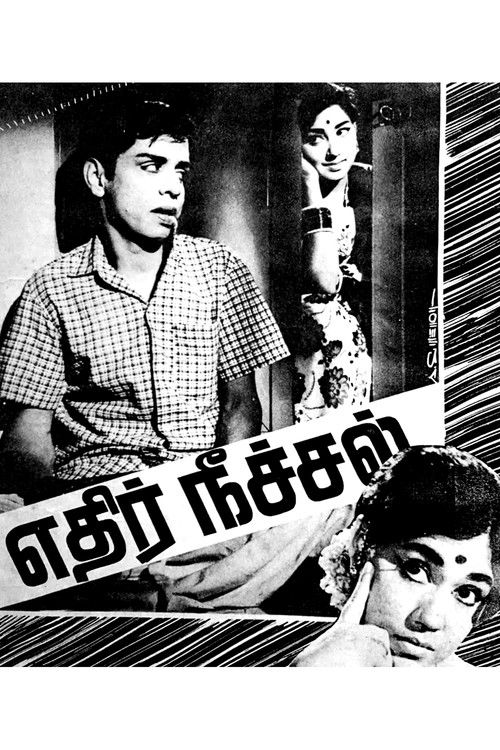
1968
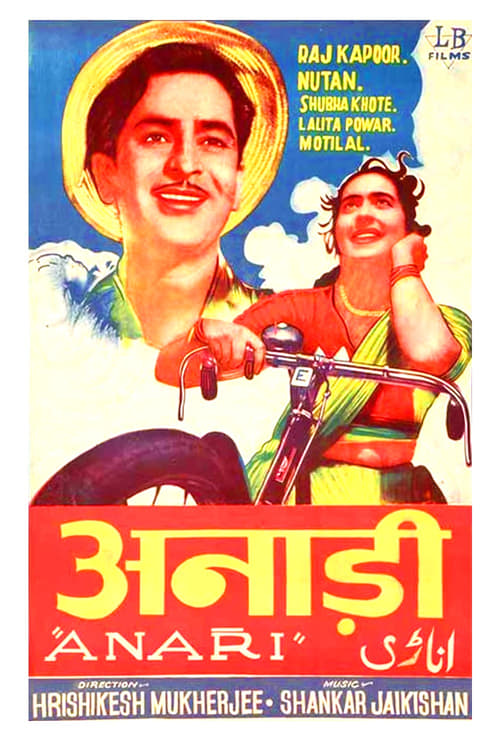
1959
No reviews yet. Be the first to share your thoughts on this movie!
Use the rating form above to leave a star rating and optional review.