
Umrao Jaan
2006
No user ratings available yet
Diversity score: 5.5 out of 10
2007
Not RatedDirector
Anil Mehta
Runtime
146 minutes
Average Rating
No ratings yetSynopsis
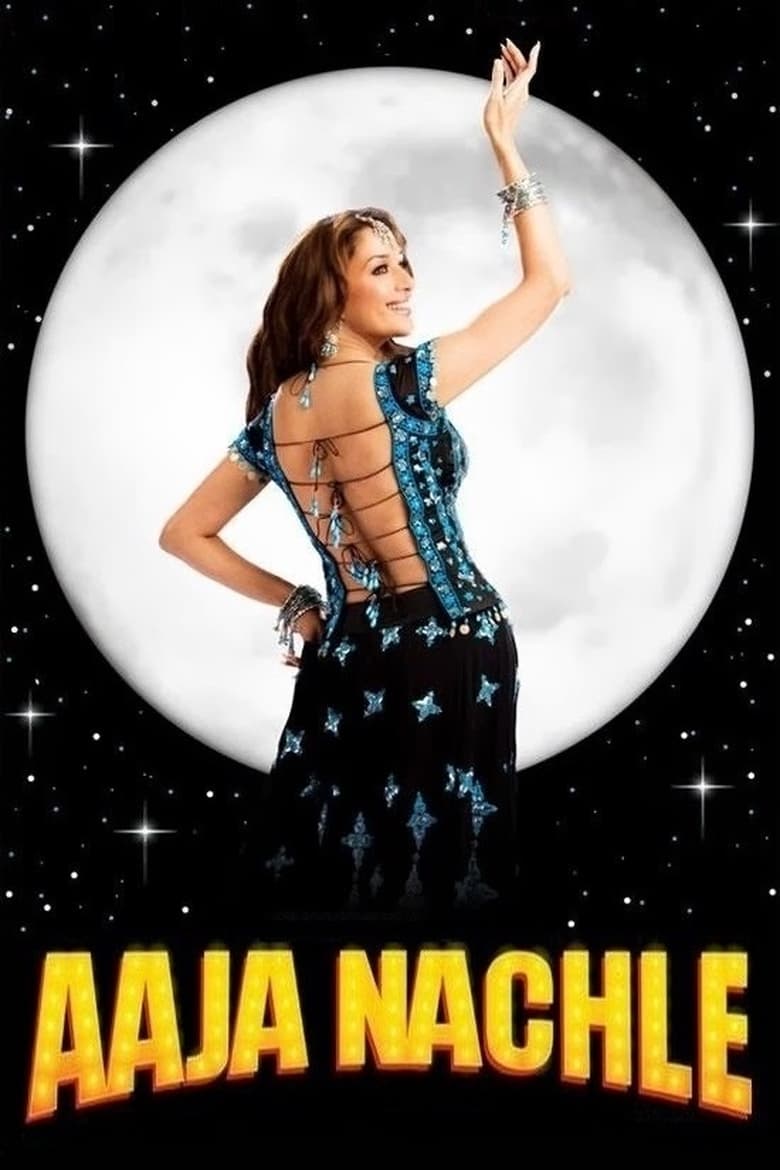
Dia is a divorced mom living in New York and must go back to India after she receives news that her guru is on his death bed. When she arrives she finds he is gone and has left her the responsibility of saving and reviving the Ajanta Theater where she used to dance. The problem is that the political officers want it torn down and turned into a shopping mall. The storyline follows Dia and her challenge to stand up for what she believes in and fight the cause to the end, while trying to win back the love and support of the people of the town whom she walked out on ten years prior.
Overall Score
Fair
Category Breakdown
LGBTQ+ Representation
The film lacks LGBTQ+ characters or explorations of non-cisnormative identities. The social and romantic frameworks remain strictly heteronormative.
Gender Representation
Dia, a divorced woman, serves as a strong female lead who reclaims her agency through professional leadership. The story disrupts domestic hierarchies by focusing on her artistic expertise and determination.
Racial & Ethnic Diversity
The production centers South Asian narratives with a predominantly local cast. It prioritizes regional Punjabi nuances and cultural continuity over Western-normative aesthetics.
Religious & Cultural Diversity
The narrative emphasizes community, mentorship, and the preservation of local heritage. It frames the conflict between tradition and commercialism through a lens of social harmony.
Disability Representation
There are no prominent depictions of visible or invisible disabilities. No character arcs are defined by physical impairment or neurodivergence.
Strengths
Areas for Improvement
AI Analysis
Aaja Nachle succeeds as a character study of female empowerment, centering on a woman who navigates professional leadership and social reclamation. By placing a divorced protagonist in a position of authority, the film subverts traditional domestic expectations. The film's strength is its authentic cultural grounding in Punjab. It avoids a Westernized gaze by focusing on local heritage and the preservation of community institutions like the Ajanta Theater. However, the film remains within traditional social and moral boundaries. It lacks representation for LGBTQ+ individuals and people with disabilities, and its narrative structure adheres to established commercial tropes.
2006
1952

2016
1998

2019
2001
2000

2004
2000
2000

2003
2011
No reviews yet. Be the first to share your thoughts on this movie!
Use the rating form above to leave a star rating and optional review.