Sangeet
1992
No user ratings available yet
Representation score: 5.7 out of 10
Representation Score
Minimal
1980
Not RatedDirector
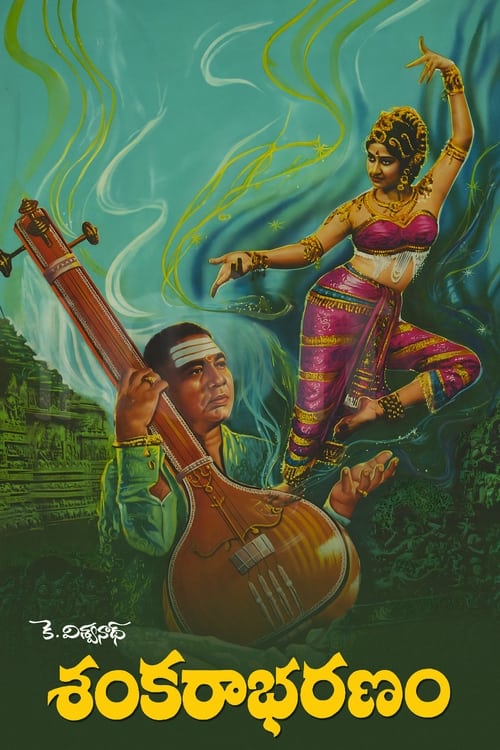
K. Viswanath
Runtime
143 minutes
Average Rating
No ratings yetNew Showbiz Analysis
Sankarabharanam is a film that honors classical Indian arts and upholds the preservation of indigenous heritage. It effectively promotes traditionalist values and Carnatic music to a mainstream audience, making it a significant cultural document for South Indian identity. However, the film upholds conservative values and reinforces traditional social hierarchies. It sees modernization as a threat to cultural authenticity and maintains strict structures around gender and religious authority. Ultimately, the work prioritizes the stability of tradition over challenging social norms, focusing on patriarchal and Brahminical institutions.
Category Breakdown
The film does not include any LGBTQ+ characters or non-straight relationships. Social and romantic dynamics are confined to traditional, heterosexual relationships.
The story focuses on the male protagonist's spiritual and musical journey. While Tulasi provides emotional depth, her role is limited by patriarchal structures and her socioeconomic status.
The cast reflects a specific South Indian regional context, with a culturally homogeneous group. It celebrates indigenous ethnic heritage through the lens of Carnatic music.
The narrative defends traditional religious institutions and values. It emphasizes the sanctity of classical traditions over modern or Western-influenced changes.
There is no significant or central depiction of physical or neurodivergent disabilities in the film.
Present on Screen
Limited or Absent
Official Synopsis
Sankara Shastri is a devout and famous classical singer who finds a fan in Tulasi, a prostitute's daughter. She wants to devote herself to his service, but her mother has other plans for her.
1992

1979
2010
1987
1964

1981
1968
1985
No reviews yet. Be the first to share your thoughts on this movie!
Use the rating form above to leave a star rating and optional review.