
Devdas
1955
No user ratings available yet
Representation score: 4.2 out of 10
Representation Score
Minimal
1952
Director
Vijay Bhatt
Runtime
165 minutes
Average Rating
No ratings yetNew Showbiz Analysis
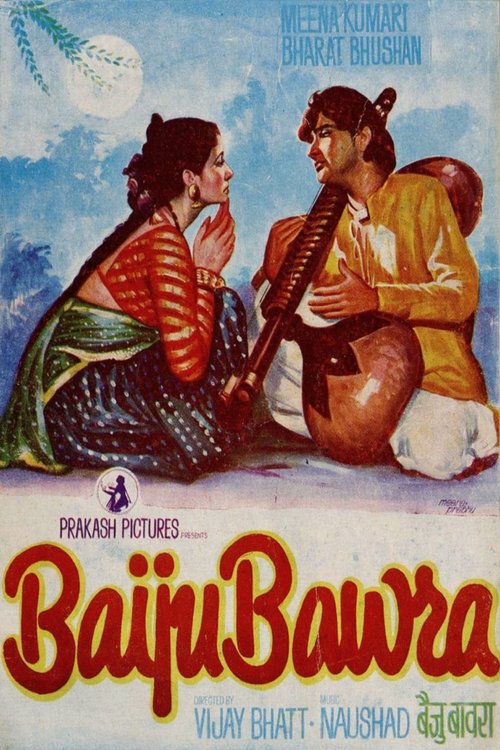
Baiju Bawra is a masterful example of traditionalist storytelling that preserves classical Indian heritage. Its narrative structure revolves around the teacher-student relationship, emphasizing discipline and lineage over social deconstruction. The film serves as a vehicle for cultural affirmation, asserting a strong indigenous presence. However, it adheres closely to the hierarchical and social norms of the mid-20th century, particularly regarding gender and authority. It remains firmly within a traditionalist cinematic canon, lacking engagement with modern diversity metrics.
Category Breakdown
The film focuses on heterosexual relationships and does not include any LGBTQ+ identities or same-sex intimacy.
The story centers around the male protagonist's musical journey. Female characters mainly serve as emotional support and have limited independence in driving the plot.
The cast reflects a culturally uniform setting. Although it doesn't blend modern diversity, it highlights the reclaiming of indigenous identity during a post-colonial transition.
The story emphasizes traditionalism and the sacred teacher-student relationship. It celebrates indigenous culture while upholding established social and family institutions.
The film does not feature any prominent characters with physical or neurodivergent disabilities.
Present on Screen
Limited or Absent
Official Synopsis
During the reign of Akbar the Great, a young singer sets out to avenge his father's death and challenges the killer to a musical duel.
1955
1972
1967
1971

2019

1951
1963
1954
No reviews yet. Be the first to share your thoughts on this movie!
Use the rating form above to leave a star rating and optional review.