
Taj Mahal
1963
No user ratings available yet
Representation score: 2.7 out of 10
Representation Score
Fair
2001
UnratedDirector
Shyam Benegal
Runtime
150 minutes
Average Rating
No ratings yetNew Showbiz Analysis
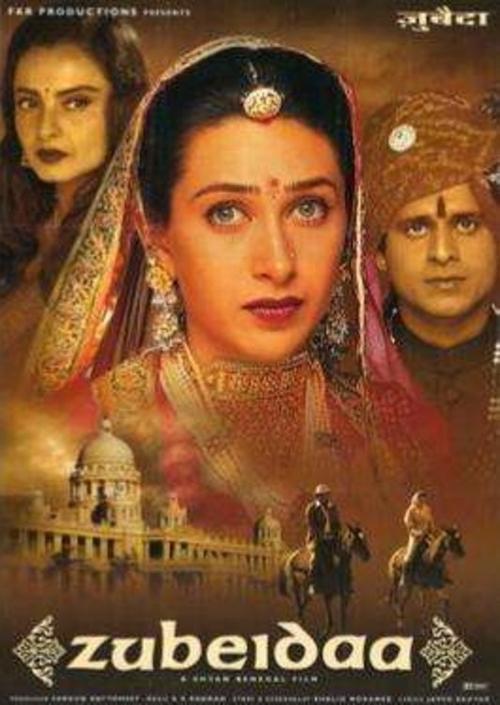
Shyam Benegal’s historical drama stands out by highlighting a woman’s significant role against the backdrop of entrenched patriarchal and colonial structures. The film excels in its nuanced portrayal of overlapping identities, particularly the conflict between Muslim heritage and Hindu aristocracy. However, the film remains within conventional heterosexual frameworks, lacking representation for LGBTQ+ identities. Additionally, while it delves into psychological complexity, it does not depict specific disabilities. Overall, the film offers a sophisticated critique of societal hierarchies, using a biographical lens to promote individual truth over institutional traditions.
Category Breakdown
The story focuses on heterosexual relationships and aristocratic marriages. It does not include explicit LGBTQ+ identities or non-traditional gender expressions.
Zubeidaa is a strong female lead who challenges traditional patriarchal structures in both royal and domestic settings. The film highlights how traditional femininity can limit personal growth.
Set during the British Raj, the film centers on South Asian identity and post-colonial themes. It avoids Western stereotypes by emphasizing internal Indian social and religious dynamics.
The narrative examines the tension between Muslim identity and Hindu aristocracy. It questions rigid traditional institutions, favoring personal freedom over family or religious traditions.
While the protagonist deals with internal psychological issues, there are no specific representations of physical or neurodivergent disabilities as central character traits.
Present on Screen
Limited or Absent
Official Synopsis
Zubeidaa, an aspiring Muslim actress, marries a Hindu prince to become his second wife. Her tumultuous relationship with her husband, and her inner demons lead her to a decision which has fatal consequences for them all.
1963
2008
2015

1998

2003
1999
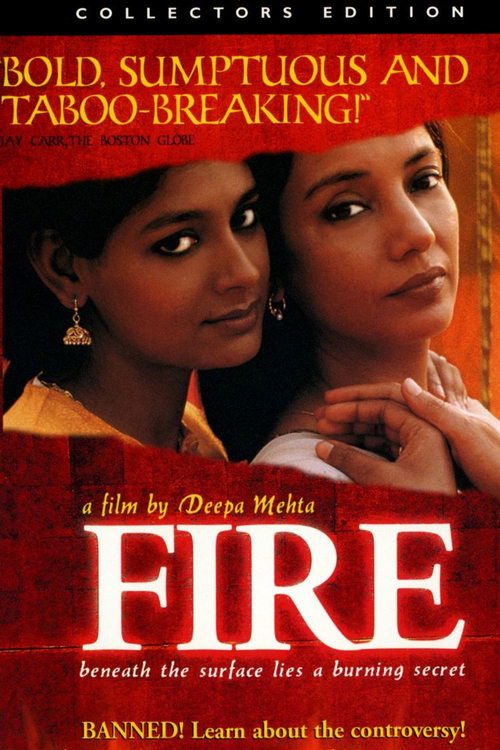
1997
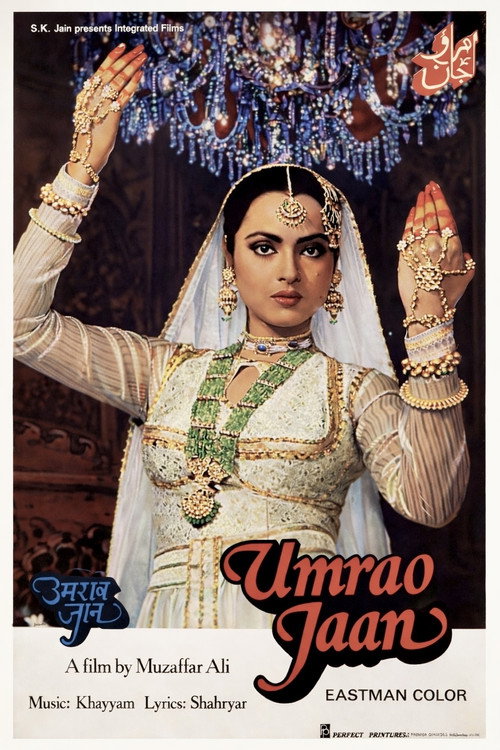
1981
No reviews yet. Be the first to share your thoughts on this movie!
Use the rating form above to leave a star rating and optional review.