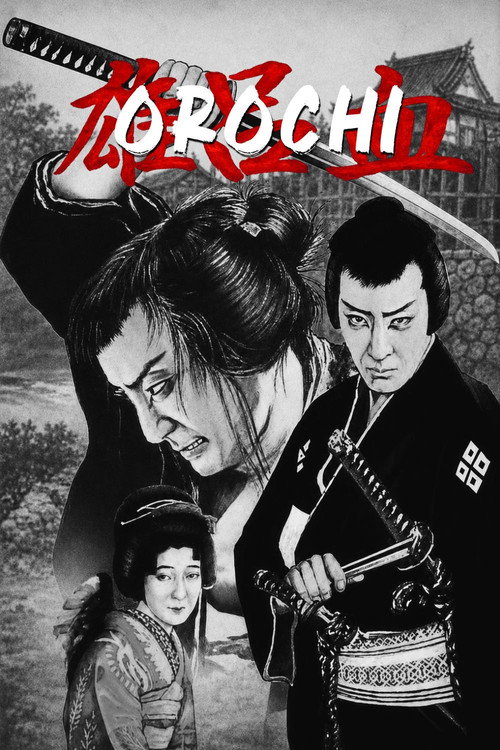
Orochi
1925
No user ratings available yet
Diversity score: 3.5 out of 10
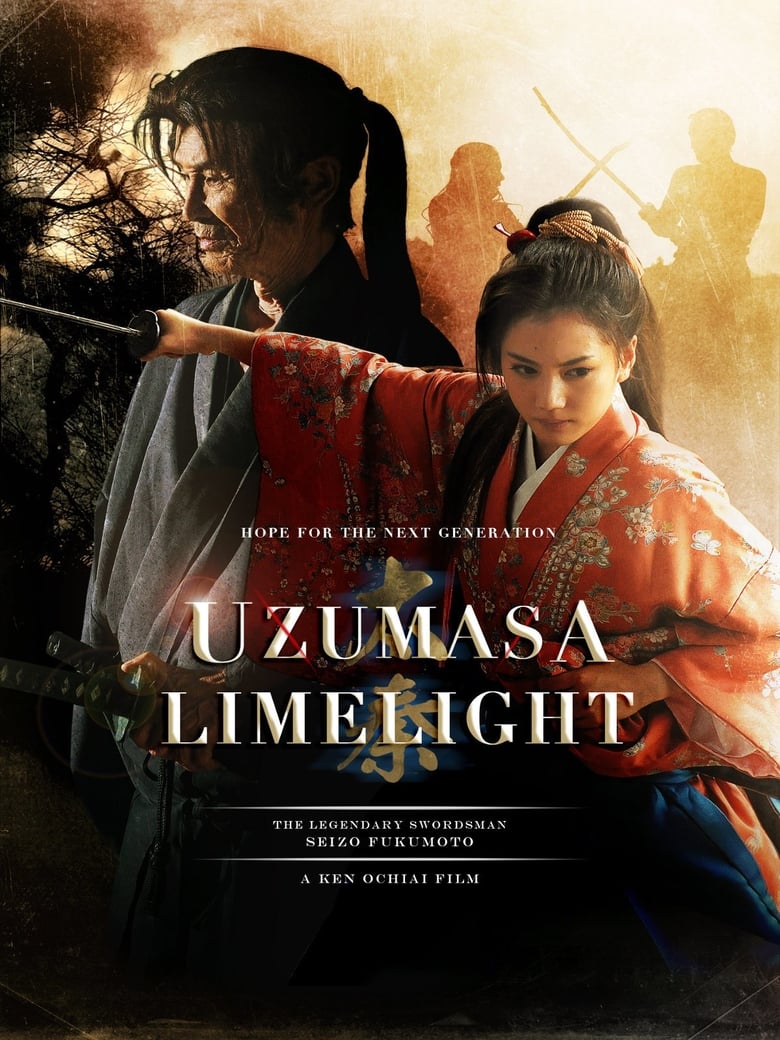
2014
Not RatedDirector
Ken Ochiai
Runtime
104 minutes
Average Rating
No ratings yetSynopsis
Fewer samurai films are being made, and the Uzumasa studio has fallen on hard times. One day, veteran "kirareyaku" (whose job it is to be felled with a sword by a film's star) actor Kamiyama is tasked with teaching sword action techniques to fledgling actress Satsuki. A few years later, the now-retired Kamiyama is visited by Satsuki, who has become a popular star.
Overall Score
Limited
Category Breakdown
LGBTQ+ Representation
The film focuses on professional hierarchies and traditional mentorship. It operates within a conventional framework of platonic and professional relationships without exploring non-cisnormative identities.
Gender Representation
While Satsuki undergoes a significant arc from novice to star, the narrative centers on the male protagonist's struggle. The film depicts traditional professional dynamics rather than subverting gendered power structures.
Racial & Ethnic Diversity
The cast reflects the historical and cultural homogeneity of the Uzumasa studio era. It functions as a localized study of Japanese cinematic history rather than a platform for multi-ethnic intersectionality.
Religious & Cultural Diversity
The story meditates on the friction between traditional arts and modern mass media. It emphasizes the preservation of professional discipline and 'the old ways' against rising consumerism.
Disability Representation
There is no visible or invisible disability portrayed as a central narrative driver. The characters' agency is tied to their professional craft rather than physical or cognitive differences.
Strengths
Areas for Improvement
AI Analysis
Uzumasa Limelight is a disciplined character study that prioritizes historical authenticity and the preservation of traditional professional hierarchies. It explores the dignity of the 'unseen' worker within the Japanese film industry. The narrative architecture is designed to examine the existential tension between legacy and modernity. However, it remains tethered to conventional social structures rather than seeking to disrupt them. Ultimately, the film focuses on the craft of the kirareyaku and the transition of the film industry, rather than implementing identity-based power dynamics or challenging social norms.
1925
1961
2009
1959
1973
1969
1974
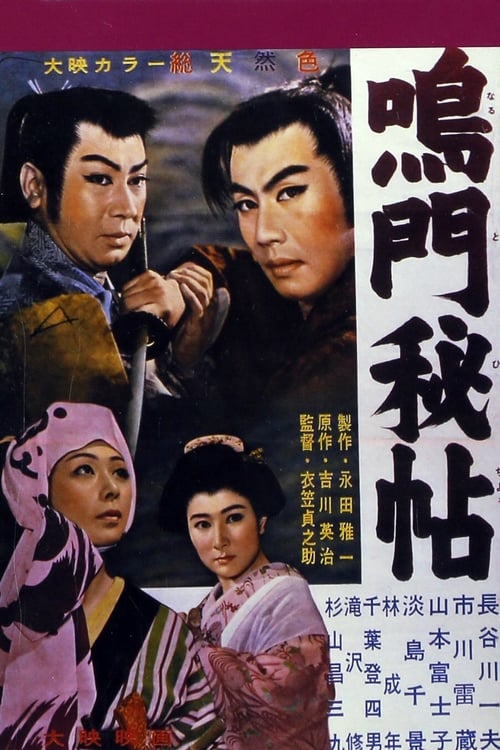
1957
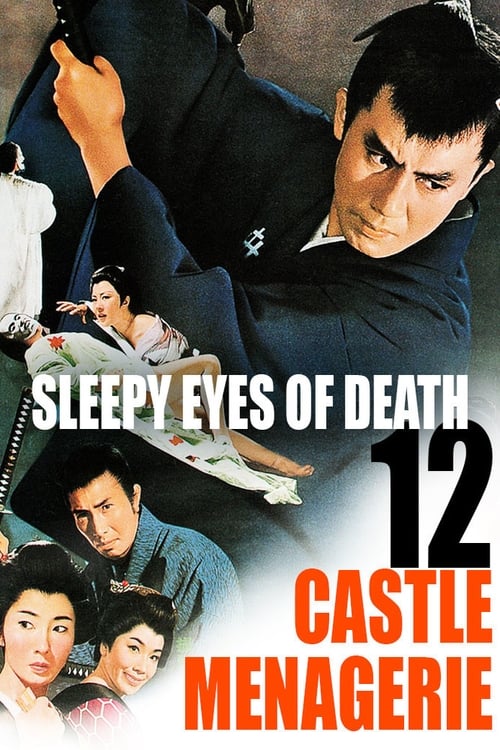
1969
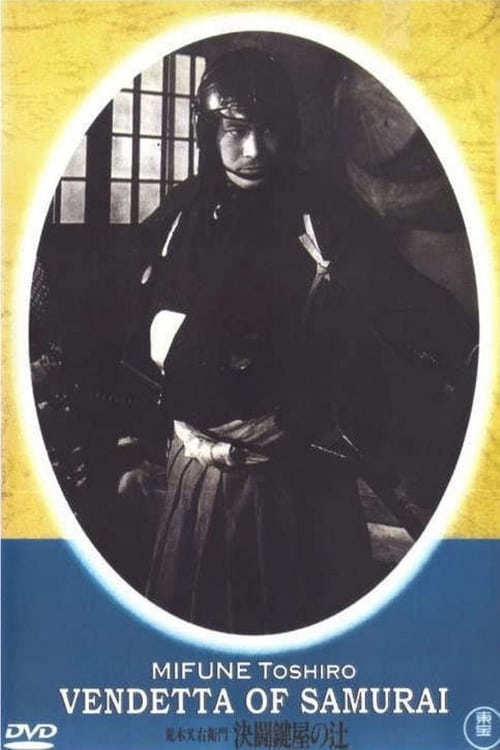
1952
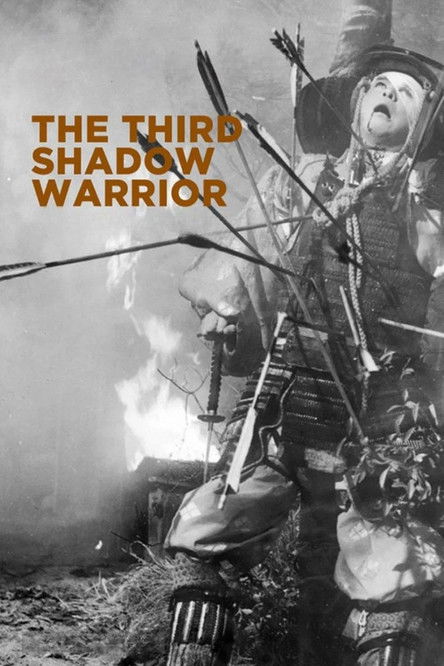
1963
1978
No reviews yet. Be the first to share your thoughts on this movie!
Use the rating form above to leave a star rating and optional review.