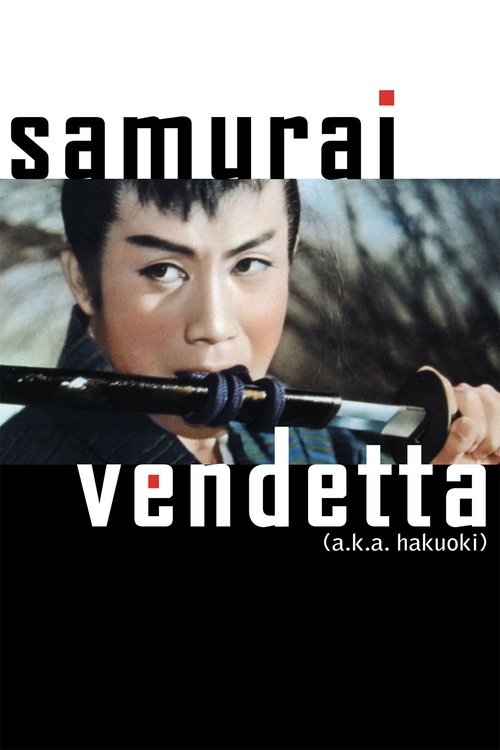
Samurai Vendetta
1959
No user ratings available yet
Representation score: 1.8 out of 10
Representation Score
Fair
1974
Director
Kenji Misumi
Runtime
159 minutes
Average Rating
No ratings yetNew Showbiz Analysis
Kenji Misumi’s film is a period piece that prioritizes historical genre conventions over modern inclusive narratives. It excels at capturing the specific cultural epoch of the Meiji Restoration, providing an authentic look at the collapse of the feudal system. However, the film remains deeply rooted in traditional hierarchies. The narrative focuses almost exclusively on masculine martial prowess and the master-student relationship, leaving little room for diverse perspectives or gendered ability to act. While the film offers a nuanced look at social displacement through the ronin, it lacks the representation of neurodivergence or LGBTQ+ identities necessary for a more progressive score.
Category Breakdown
The film sticks to traditional chanbara genre conventions, focusing on masculine honor and martial skills. There is no representation of LGBTQ+ identities or queer undertones.
The story is heavily focused on men, emphasizing the philosophies and combat of the ronin and master swordsman. Women have limited roles in the male-dominated power struggles.
As a Japanese production, the film features a culturally homogeneous cast. It achieves authenticity by focusing on the internal ethnic identity of the Japanese people.
The story explores the decline of the samurai class through a traditional spiritual lens. It focuses on personal honor and the dissolution of feudal structures.
The protagonist's past as a sickly child serves as a foundation for his character development. However, this follows a traditional triumph over adversity cliché.
Present on Screen
Limited or Absent
Official Synopsis
The film follows the story of Sugi Toranosuke, a ronin, who returns to his home town of Edo many years after his attempted suicide as a sickly child. Rescued and adopted by a master swordsman, he has grown into a master swordsman and a very kind gentleman. The time is around 1868 the year that the nails were finally put into the coffin containing the feudal system that nurtured and sustained the samurai. Sugi is confused and unsure about what is happening but his teacher wants him out of the chaos of the multiple power struggles between the various clans.
1959
1954

1969

1972

1962
2018

1965
1958
No reviews yet. Be the first to share your thoughts on this movie!
Use the rating form above to leave a star rating and optional review.