
Broken Swords
1969
No user ratings available yet
Representation score: 2.9 out of 10
Representation Score
Minimal
1959
Not RatedDirector
Kazuo Mori
Runtime
109 minutes
Average Rating
No ratings yetNew Showbiz Analysis
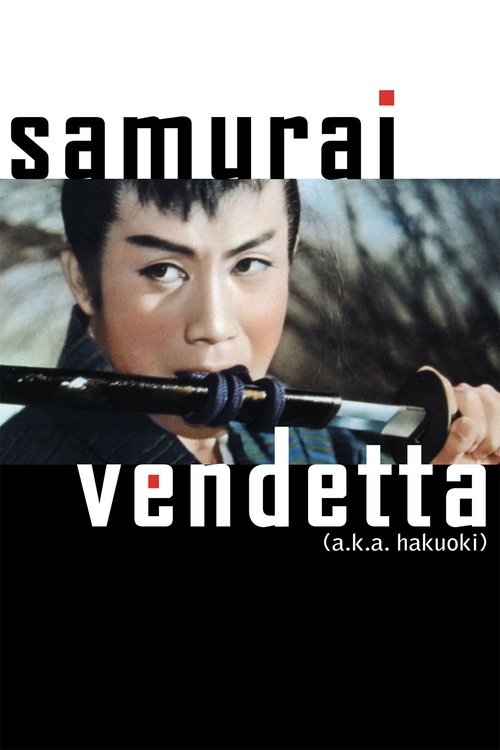
Samurai Vendetta is a traditionalist period drama that prioritizes historical genre clichés over social diversity. The narrative structure reinforces the rigid class and gender hierarchies of feudal Japan. The film serves as a culturally specific exploration of the 47 Ronin legend, emphasizing the bushido code and the consequences of honor-based conflicts without challenging established patriarchal or social norms. While historically accurate to its setting, the film offers little representation for underrepresented groups, including women, people with disabilities, or non-Japanese perspectives.
Category Breakdown
The film adheres to the typical conventions of 1950s chanbara cinema. It includes no LGBTQ+ identities or same-sex relationships, focusing instead on the societal norms of feudal Japan.
Men play the central roles, while women have limited influence and primarily serve in supporting or domestic capacities.
The cast is entirely Japanese, maintaining historical accuracy for the Edo period. However, the film does not include diverse racial backgrounds or non-Japanese perspectives.
The story is deeply rooted in the bushido code and traditional values, emphasizing duty and loyalty to social hierarchies without questioning these structures.
Characters are defined by their physical strength and martial skills. The film does not focus on neurodivergence or physical disabilities.
Present on Screen
Limited or Absent
Official Synopsis
Two amiable samurai wind up on opposite sides of the vendetta between Lord Asano's retainers and the family of Lord Kira that led to the famous revenge of the 47 Ronin.
1969
1972
1952

1972
1962
1980
1974
1963
No reviews yet. Be the first to share your thoughts on this movie!
Use the rating form above to leave a star rating and optional review.