
SP: The Motion Picture
2010
No user ratings available yet
Representation score: 4.5 out of 10
Representation Score
Minimal
1978
Director
Junya Satō
Runtime
143 minutes
Average Rating
No ratings yetNew Showbiz Analysis
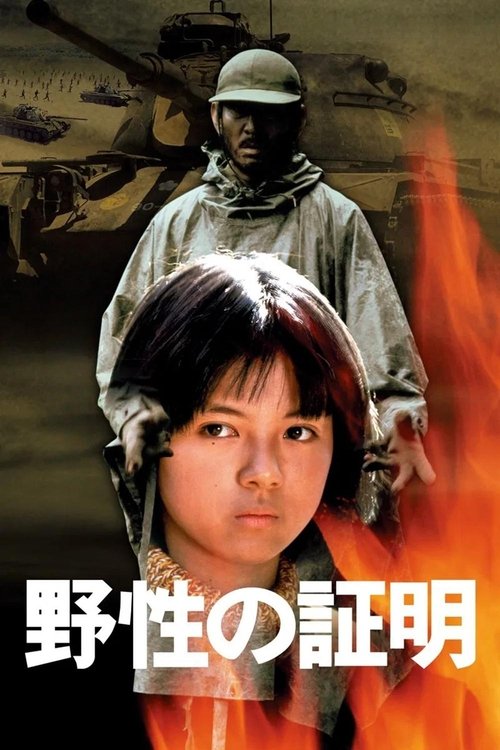
Never Give Up is a period-specific action thriller that prioritizes traditional narrative arcs of redemption and masculine duty. The film functions as a character study within a conventional genre framework, focusing on a former special forces officer's struggle against his past. While the film offers a critique of dehumanizing hierarchies and institutional corruption, it lacks complexity in addressing multiple aspects of identity. The narrative relies heavily on established gender roles and a homogeneous social setting typical of its era. Ultimately, the film adheres to the demographic norms of 1970s Japanese cinema, emphasizing personal atonement over the subversion of social hierarchies.
Category Breakdown
The film does not include any LGBTQ+ characters or narratives. It focuses on traditional masculine archetypes and family structures common in 1970s action movies.
The story centers around a male protagonist and his adopted daughter. While the daughter provides emotional motivation, the plot is driven by male-dominated paramilitary and professional structures.
As a Japanese production, the film depicts a largely homogeneous society. It does not explicitly engage with racial or ethnic diversity, focusing instead on internal organizational conflicts.
The narrative explores institutional corruption and the tension between individuals and rigid hierarchies. It remains grounded in traditional notions of duty, atonement, and paternal responsibility.
There is no evidence of characters with visible or invisible disabilities being integrated into the narrative or used as central plot devices.
Present on Screen
Limited or Absent
Official Synopsis
Special forces officer Ajisawa leaves his paramilitary group to take care of his newly-adopted daughter, Yoriko: the sole survival of a bloodbath for which he is responsible. Years later, Ajisawa is forced to return to the scene of the tragedy for his new job as a claims adjuster where he is subsequently arrested for his suspected involvement. But the threat of jail time is the least of his worries as his former organization comes gunning for him.
2010
2017

1994

1974

1996

1974

1973

2018
No reviews yet. Be the first to share your thoughts on this movie!
Use the rating form above to leave a star rating and optional review.